
Vezdaea
Vezdaea
Description
Symptoms
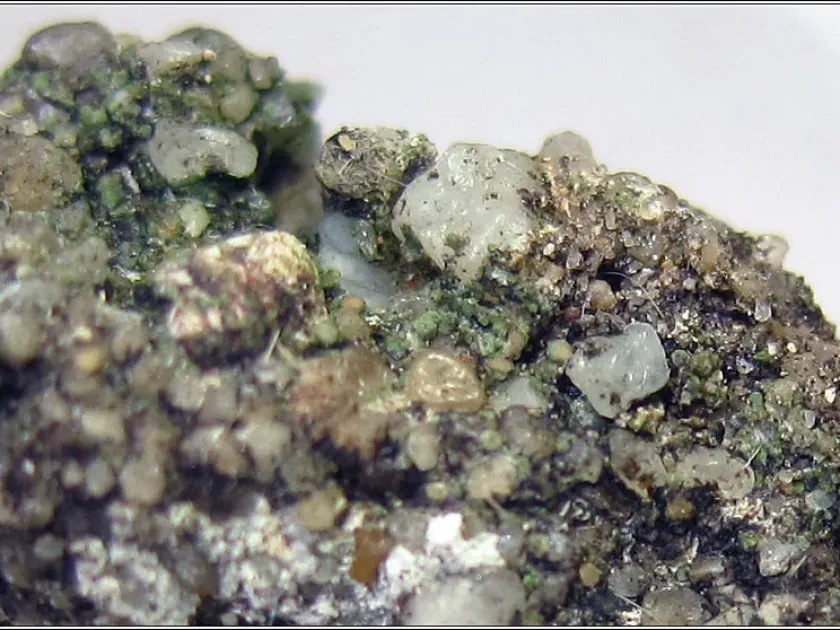
Signs of Vezdaea include the formation of tiny apothecia, which appear as minute specks on the surface of the host substrate.
These fruiting bodies are typically pale, ranging from white to yellowish-brown, making them extremely difficult to detect with the naked eye in field conditions.
Growth often manifests as a subtle crust or faint film on the surface of bark or decaying matter, which can be easily overlooked during routine inspections.
Diagnosis usually requires microscopic verification, as they can be visually confused with other common epiphytic organisms or early-stage molds.
Because these fungi do not cause immediate tissue death, symptoms lack the necrotic spots or rot associated with dangerous agricultural diseases.
Pathogen
The genus Vezdaea consists of microscopic fungi often categorized as lichenicolous, meaning they inhabit or associate with lichens and lichenized substrates.
In agricultural practice, these fungi are not recognized as primary pathogens. They usually act as saprotrophs or epiphytes found on damp bark, decaying plant material, or under high humidity conditions.
The biology of these organisms is characterized by slow growth and a complex life cycle that involves spore dispersion through air currents in favorable microclimates.
Unlike aggressive phytopathogens that actively attack crops, Vezdaea species colonize existing niches where moisture and organic substrate are readily available.
Taxonomically, they are classified within the Ascomycota division, and their presence is often more of an ecological indicator than a sign of a disease outbreak.
Conditions for development
Vezdaea fungi thrive primarily in environments with high relative humidity and consistent moisture levels on the plant surface.
Prolonged rainy seasons, morning fogs, and shaded areas with poor air circulation provide the perfect microenvironment for their establishment.
They prefer stable, cool-to-moderate temperature ranges, which allow their spores to germinate and colonize substrates successfully.
Poor orchard management, such as a lack of thinning or dead wood removal, creates the ideal habitat for these fungi to proliferate.
Limited sunlight exposure on the lower parts of trees or dense canopy coverage significantly encourages the development of these epiphytic organisms.
Why it matters
The harmful impact of Vezdaea on agricultural crops is generally considered to be negligible, as it lacks significant parasitic capabilities.
The primary concern is that a heavy presence may indicate poor health or over-saturation of the plant environment, which could lead to secondary problems.
If large colonies cover essential parts of a leaf or stem, they might interfere with respiration or light absorption, though this is rare in productive fields.
For the farmer, the presence of these fungi serves as a biological indicator suggesting that moisture management or ventilation within the plot needs improvement.
Economic damage is typically non-existent, and the fungus is not a target for large-scale chemical control programs in standard agricultural settings.
Protection
Since Vezdaea is not a significant agricultural pest, there are no specific fungicide protocols dedicated to its eradication.
Control is achieved primarily through good agricultural practices that manage the humidity and aeration of the orchard or field.
Routine pruning and the removal of dead or rotting organic matter are effective ways to eliminate the niches these fungi inhabit.
Ensuring proper spacing between plants and maintaining a clean environment prevents the development of the damp microclimates Vezdaea requires.
- Regular sanitary pruning of trees and shrubs.
- Enhancement of air circulation throughout the crop area.
- Effective moisture control in closed or dense environments.
- General hygiene practices to minimize dead organic buildup.
Discussion
No discussions yet — be the first.