
Smut
Ustilago
Description
Symptoms
The most visible symptom is the transformation of the ear or tassel into a mass of powdery black spores, resembling chimney soot.
In loose smut, the entire inflorescence is usually destroyed, leaving a naked rachis that becomes exposed as spores are dispersed by the wind.
Covered smut manifests as spore-filled grain kernels that remain covered by the host membrane until harvest, often emitting a distinct fishy odor.
Infected plants may exhibit stunting, distorted foliage, or abnormal tillering compared to healthy plants growing under similar conditions.
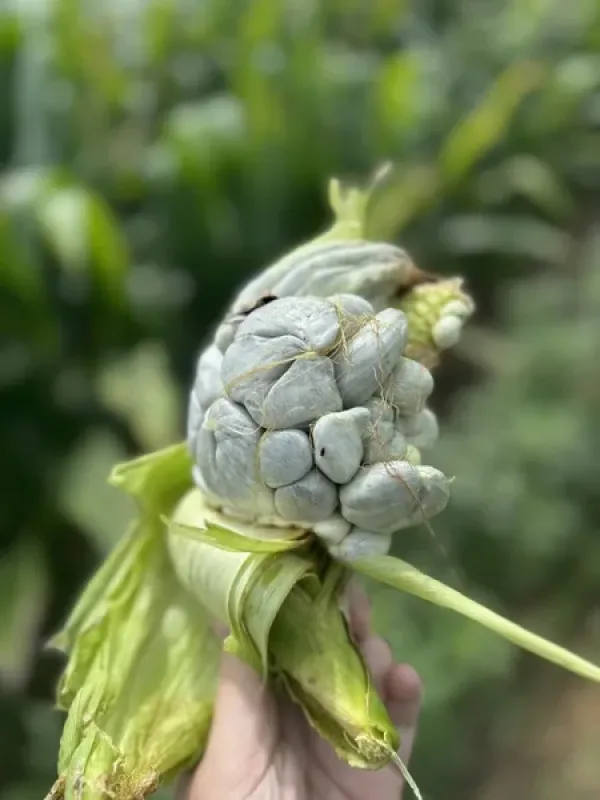
In some species, such as corn smut, large galls or tumors form on stems, leaves, or ears, which eventually burst to release masses of black spores.
Pathogen
Smut is a plant disease caused by parasitic fungi from the order Ustilaginales, with Ustilago being the most recognized genus.
These pathogens are highly specialized, often targeting specific cereal hosts such as wheat, barley, corn, and oats during their development.
The fungus exists as a microscopic mycelium that colonizes the plant host internally, effectively systemic in many cases.
Reproduction occurs through the formation of dark, soot-like teliospores that replace the host's healthy reproductive or vegetative organs.
The survival strategy of these fungi involves the ability of spores to remain dormant in the soil or adhere to seed coats until environmental cues trigger germination.
Conditions for development
The development of smut is heavily dependent on specific climatic conditions during the flowering phase for floral-infecting species.
Soil moisture and temperature are critical factors for soil-borne smuts, as they determine the timing and success of seedling infection.
High planting density can create a humid microclimate within the crop canopy, facilitating the dispersal of spores and secondary infections.
Extended periods of cool, wet weather after planting often increase the window of vulnerability for young seedlings against early-season infection.
The presence of previous season's plant residues in the field significantly increases the reservoir of inoculum for subsequent crops.
Why it matters
Smut causes severe economic losses by directly replacing grain with useless fungal spore biomass, significantly reducing overall yield.
The quality of harvested grain is severely compromised, making it unsuitable for processing and potentially toxic to livestock in some cases.
Contaminated grain creates dust hazards during handling and harvesting, posing respiratory risks and increasing the probability of fire in storage facilities.
Systemic infection in the plant weakens the host, leading to poor growth, reduced vigor, and increased susceptibility to other environmental stressors.
Large-scale contamination requires costly cleaning processes for storage equipment and can lead to downgrading of harvest quality at grain elevators.
Protection
Effective seed treatment with systemic fungicides is the primary and most important defense against both seed-borne and some soil-borne smut infections.
Implementing a diverse crop rotation cycle breaks the life cycle of the fungus by depriving it of its specific host for several seasons.
Choosing resistant or tolerant crop varieties is a highly recommended strategy to minimize the need for frequent chemical applications.
Proper planting management, including optimizing depth and timing, helps ensure quick and healthy seedling emergence, reducing vulnerability.
- Using certified, disease-free seed stocks.
- Monitoring fields during the critical flowering stage.
- Sanitizing harvest and storage machinery to prevent spread.
Discussion
No discussions yet — be the first.