
Tulostomataceae
Tulostomataceae
Description
Symptoms
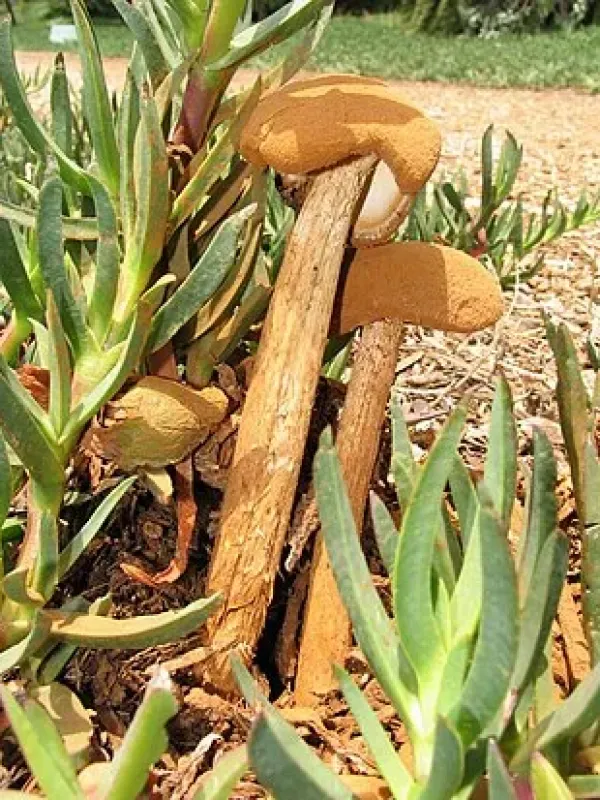
Tulostomataceae is a family of stalked puffball fungi characterized by a distinct fruiting body composed of a stem and a globose head.
A key diagnostic feature is the presence of a specialized apical pore or peristome through which mature spores are discharged into the air.
The stems are typically fibrous and tough, allowing the fungus to remain anchored firmly in loose or sandy soil environments.
As the fruiting body matures, the outer skin, known as the peridium, degrades, exposing the powdery mass of spores called the gleba.
These fungi are often cryptically colored, which helps them blend into the soil or plant debris, making them difficult to spot in nature.
Pathogen
Tulostomataceae fungi are members of the Agaricales order and are categorized as saprotrophs rather than plant pathogens.
They do not infect or damage living crops, as they derive their nutrition exclusively from decomposing organic matter in the soil.
Their mycelium plays an essential role in the decomposition of cellulose and lignin, contributing to the nutrient cycling process.
The biology of these fungi is centered on the production of basidiospores within the internal gleba, which is protected until full maturation.
Microscopic identification often involves examining the structure of the capillitium, which consists of threads that support the spore mass.
Conditions for development
These fungi thrive in dry, open habitats, such as sandy plains, pastures, and disturbed soil areas where vegetation is sparse.
They are particularly well-adapted to arid or semi-arid environments where other fungal species might struggle to survive.
Moisture is required primarily during the early development stage, but the structures are highly resilient once they have formed.
Temperature plays a significant role in their lifecycle, as they are often stimulated to develop during warmer, stable weather periods.
Spore dispersal is facilitated by wind and mechanical disturbance, such as rain droplets hitting the surface of the mature head.
Why it matters
Tulostomataceae are considered harmless to agricultural crops and pose no threat to production yields or plant health.
They are not competing with plants for water, minerals, or space, as they occupy a different ecological niche as decomposers.
Their presence is typically a sign of specific soil conditions, such as nutrient-poor or low-organic matter environments.
There are no known toxic effects on agricultural crops or livestock associated with these fungi in a standard farming ecosystem.
The family has no economic significance as a pest and is generally regarded as a natural component of the soil mycobiota.
Protection
No control measures are necessary for Tulostomataceae, as they do not constitute a risk to agricultural operations.
Preventive management of soil fertility, such as proper organic matter replenishment, naturally limits their niche in favor of other microbes.
Mechanical cultivation practices, such as plowing, are sufficient to disrupt their habitat if they occur in undesirable areas.
There is no justification for the use of fungicides, as these chemicals would be ineffective and unnecessary against non-pathogenic fungi.
In most contexts, these fungi are managed implicitly through standard crop rotation and soil health improvement strategies.
Discussion
No discussions yet — be the first.