
Tubulicrinis
Tubulicrinis
Description
Symptoms
The primary symptom of a Tubulicrinis infection is the appearance of a thin, whitish to greyish fungal film developing on the surface of logs, stumps, or damaged bark.
As the infection progresses, the internal structure of the wood softens, eventually leading to a loss of mechanical integrity and structural strength.
Decay caused by these fungi often results in the wood becoming brittle or friable, crumbling easily when subjected to manual pressure or physical impact.
In many cases, the visual signs are subtle, appearing as discolored patches that indicate the deep infiltration of mycelium into the xylem and phloem tissues.
Diagnostic identification remains a challenge without laboratory procedures, as the thin nature of the fruiting bodies allows them to mimic other common wood-rotting fungi.
Pathogen
The genus Tubulicrinis consists of wood-decaying basidiomycetes primarily found in coniferous forests, functioning as specialized xylotrophs.
These fungi secrete extracellular enzymes that break down lignin and cellulose, the structural components of wood, facilitating the recycling of organic matter in forest ecosystems.
The fruiting bodies are typically crust-like or resupinate, appearing as thin, nondescript patches on the bark or wood surfaces, often making them difficult to identify in the field.
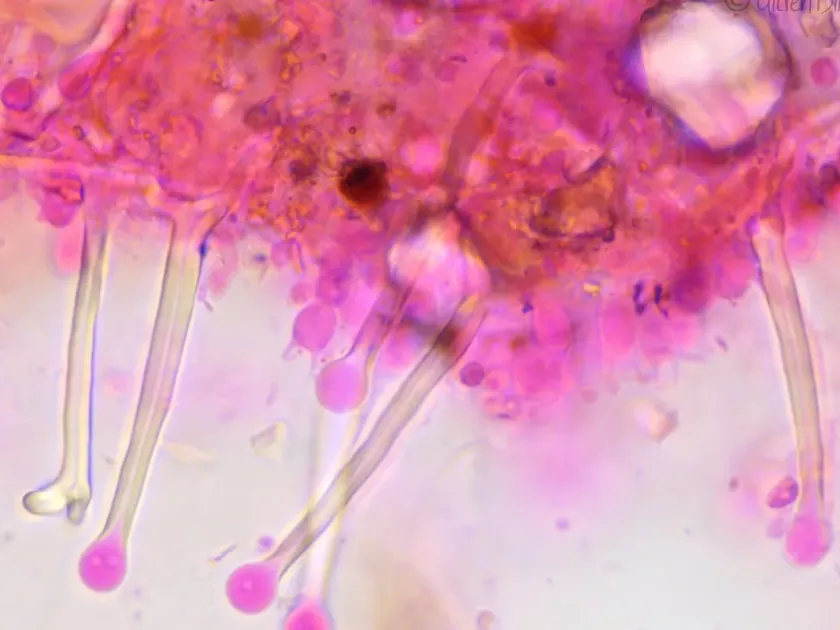
Microscopic analysis is essential for identifying this genus, as it is distinguished by unique cystidia structures present within the hymenium of the fungus.
As decomposers, these fungi play a vital biological role in the natural cycle, although their presence in managed forestry is often considered a sign of wood degradation.
Conditions for development
High moisture levels in the substrate are the primary driver for the development and colonization of Tubulicrinis within woody debris or injured trees.
The fungi thrive in environments with low airflow and cool to moderate temperatures, which are common conditions in dense, unmanaged coniferous stands.
Physical injuries, such as frost cracks, broken branches, or logging wounds, provide direct access for fungal spores to enter the healthy wood tissues.
Stagnant air conditions and the accumulation of forest litter contribute to the spread of spores, increasing the overall infection pressure on susceptible host trees.
Optimal growth occurs during damp periods in spring and autumn, where humidity allows the mycelium to expand rapidly throughout the wood structure.
Why it matters
The economic impact of Tubulicrinis is linked to the reduction of timber quality, making the wood unsuitable for commercial construction or secondary processing.
Forest stands heavily infested with these fungi suffer from reduced wood yield and are more susceptible to windthrow due to the weakened structural integrity of the trunks.
By degrading the woody components of the tree, the fungus predisposes the host to secondary attacks by insects and other more aggressive fungal pathogens.
In silvicultural contexts, widespread occurrence indicates a need for better site management, as it signals that the timber is losing its commercial viability.
While the ecological role of the fungus is beneficial for biodiversity, its activity in plantations requires monitoring to prevent significant resource losses.
Protection
Effective management begins with strict forest hygiene, including the prompt removal of fallen logs, diseased trees, and logging residues from the site.
Implementing selective thinning and regular forest cleaning improves aeration, which helps keep the humidity levels low and limits the spread of fungal spores.
Protecting valuable timber from mechanical injury and treating necessary pruning wounds with protective pastes can significantly reduce infection risks.
Ensuring proper storage of harvested logs in dry, well-ventilated locations prevents the colonization and subsequent decay caused by these crust fungi.
- Removal of infected debris.
- Monitoring of forest health.
- Sealing wounds with antiseptics.
- Optimizing stand density.
Discussion
No discussions yet — be the first.