
Tubulicrinaceae fungi
Tubulicrinaceae
Description
Pathogen
The family Tubulicrinaceae consists of basidiomycete fungi that are primarily recognized for their role in the biological decomposition of woody biomass. They are scientifically defined by the presence of unique microscopic structures known as tubulicystidia.
As obligate or facultative saprotrophs, these fungi utilize sophisticated enzyme systems to break down complex polymers. They are essential components of forest ecosystems, facilitating nutrient cycling by converting dead wood into organic matter.
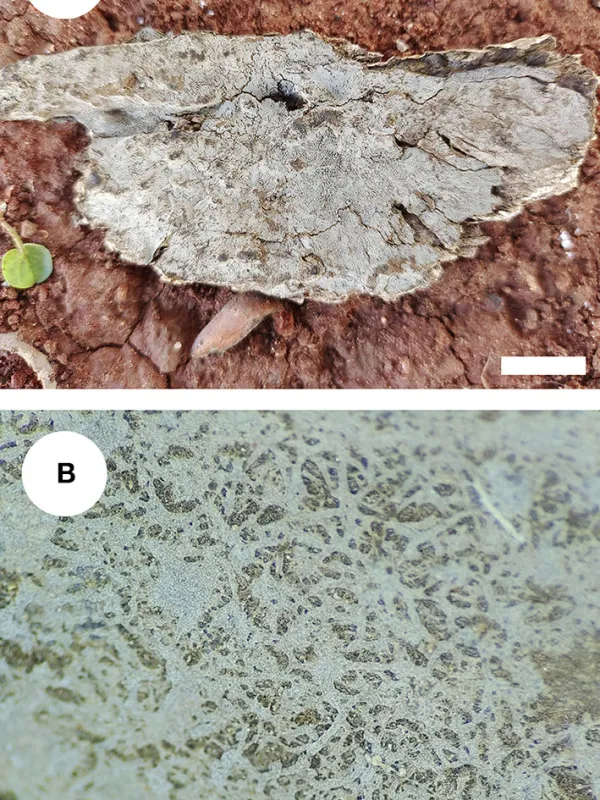
The morphology of these fungi often presents as resupinate, thin, and crust-like fruiting bodies. Their appearance is generally inconspicuous, appearing as off-white or cream-colored patches on the surface of decayed logs or branches.
Biologically, they belong to the order Hymenochaetales. Their survival strategy relies on the efficient extraction of carbon from lignocellulosic material, which is a resource-intensive process requiring high metabolic activity.
Diversity within this family is significant, with various species adapted to specific types of host timber. Their presence is a hallmark of healthy forest floor decomposition processes rather than a sign of agricultural disease.
Conditions for development
The development of Tubulicrinaceae is heavily dictated by environmental moisture levels. They thrive in damp, shaded environments where the humidity remains constantly high, allowing for rapid colonization of the substrate.
Ideal temperatures for growth typically range between 15°C and 25°C. While they can tolerate lower temperatures, their enzymatic activity decreases significantly during cooler periods, slowing the decay rate.
Spores are dispersed through the atmosphere, ensuring a wide distribution across forested areas. Once a spore settles on an appropriate, moist, and nutrient-rich wood surface, it germinates to form a mycelial network.
Stagnant air and a lack of direct sunlight create the perfect microclimate for these fungi to establish stable colonies. They are often found on the undersides of fallen logs where protection from the elements is greatest.
Competition from other microorganisms can inhibit their growth; therefore, they tend to dominate on fresh, colonizable woody debris that has not yet been occupied by more aggressive rot fungi.
Why it matters
Tubulicrinaceae are not considered pathogens of agricultural crops or horticultural plants. Their activity is strictly confined to decaying wood, meaning they pose no threat to the yield of fruits, vegetables, or field crops.
The primary concern regarding these fungi is the degradation of timber assets. In agricultural settings, this includes wooden fences, greenhouse supports, storage pallets, and other wooden infrastructure prone to moisture buildup.
If wood components are kept in direct contact with wet soil, these fungi will accelerate the structural weakening of the material. This necessitates frequent repairs and increases the long-term cost of agricultural maintenance.
Although they do not cause disease, their presence in storage buildings indicates poor ventilation or humidity control. This environmental condition might eventually lead to the growth of more harmful mold species.
They do not pose any direct toxicity or risk to humans or livestock. The concern remains entirely structural and economic, related to the lifespan of wood-based agricultural equipment.
Protection
The most effective strategy against these fungi is moisture management. Keeping wooden structures dry and elevated from the soil is the fundamental step in preventing colonization.
Applying wood preservatives, such as copper-based fungicides or oil-based sealants, creates an environment toxic to fungal mycelium. This is recommended for all wooden elements exposed to the outdoor elements.
Ensuring proper airflow and ventilation in storage areas helps maintain a low-humidity environment that is unsuitable for fungal development. Dry timber is naturally resistant to most saprotrophic fungi.
Regular maintenance inspections are crucial for early detection. If small, film-like patches are found on wood, immediate cleaning and application of a biocide can prevent further structural damage.
Effective sanitation of the farm area, including the removal of unwanted woody debris and rotting stumps, helps reduce the local spore load and protects valuable wooden assets from infection.
Discussion
No discussions yet — be the first.