
Tubeufiaceae fungi
Tubeufiaceae
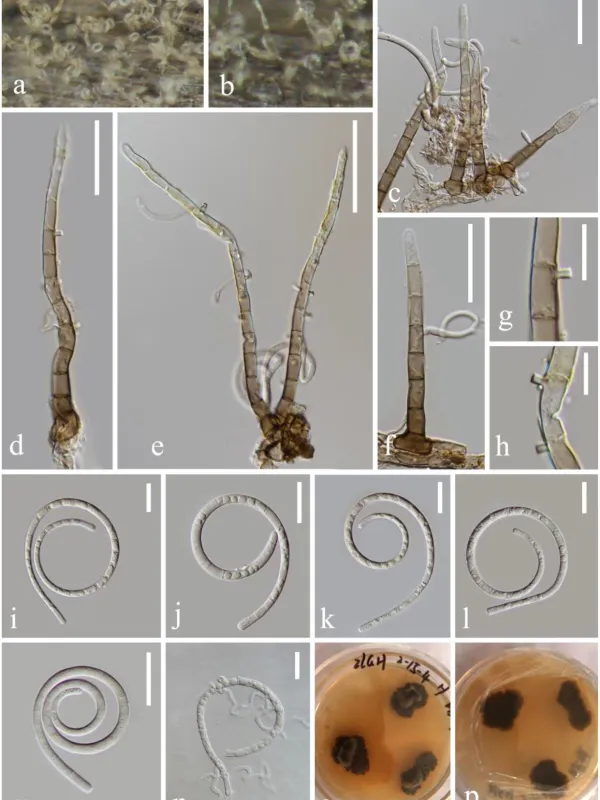
Description
Symptoms
Symptoms often include the presence of tiny, pin-head-sized fruiting bodies on the bark or stem. These may appear as dark, velvety spots or small clusters that are easily overlooked without close inspection.
Affected tissues may show signs of necrosis, turning greyish-brown or black. The infection typically results in surface cracking or the appearance of localized lesions on stems and branches.
In some cases, a spider-web-like fungal growth (mycelium) may cover the surface of the plant, especially in areas with stagnant air. This growth acts as a precursor to more severe tissue damage.
The plant may exhibit signs of reduced vigor, such as yellowing leaves or delayed budding near the infected site. This is due to the fungal interference with the plant's internal transport systems.
Signs are most prominent in late spring or autumn, during periods of high humidity. Regular scouting of the base of the branches and cracks in the bark can reveal the early stages of fungal colonization.
Pathogen
The Tubeufiaceae family belongs to the order Tubeufiales. These fungi are primarily known as saprotrophs living on decaying plant material, but they can occasionally behave as opportunistic pathogens under favorable conditions.
Members of this family are characterized by the production of small, often hairy or bristly perithecia. Their reproductive strategy involves both sexual (ascospores) and asexual (conidia) phases, making them highly adaptable to varied ecosystems.
While many species are studied for their potential role in myco-parasitism, some have been associated with localized tissue damage in plants. Identification is complex and typically requires careful morphological examination of fruiting bodies.
These fungi thrive in moist, humid environments such as forest litter, damp wood, and poorly ventilated garden patches. Their presence is often indicative of high moisture levels or decaying organic matter nearby.
Recent taxonomic studies have expanded our understanding of this family, revealing that many species previously considered benign are active players in the degradation of weakened plant tissues across various botanical groups.
Conditions for development
High humidity and consistent moisture are the most critical factors driving the spread of Tubeufiaceae. Areas with limited airflow or prolonged dew retention provide ideal breeding grounds for these fungi.
Temperatures ranging from 15°C to 25°C are optimal for growth. Fluctuations in temperature can also stress the host plant, making it more susceptible to colonization by opportunistic fungi.
Wounds caused by mechanical damage, pruning, or insect feeding provide entry points for the pathogen. Once established, the fungus can penetrate deeper into the plant tissue.
Poor sanitation practices, such as leaving leaf litter or dead wood on the ground, create long-term reservoirs for the pathogen. Spores can easily travel via wind or rain splash from these sources.
Crowded planting conditions prevent proper air circulation, leading to a microclimate that promotes fungal spore germination. Maintaining proper plant spacing is crucial for disease prevention.
Why it matters
The main harm inflicted by these fungi is the gradual weakening of the host plant. They interfere with normal physiological processes, leading to reduced overall productivity and stunted growth.
They often act as secondary pathogens, following the path of primary stressors like pests or bacteria. This cumulative damage can significantly shorten the productive life span of the affected crops.
In ornamental plants, the cosmetic damage is often the primary concern, as lesions and surface growth detract from the aesthetic value and health of the tree or shrub.
Economic impact includes the cost of remediation, lost growth time, and the potential need for branch removal or even total removal of heavily infested individuals.
If left unchecked, the colonization of main branches can lead to permanent structural weakness, causing safety issues for larger ornamental or fruit trees.
Protection
Sanitation is the cornerstone of control. All infected branches must be pruned away and disposed of (burned or removed) to prevent the spread of spores to healthy tissue.
Fungicidal applications, particularly those containing copper or systemic active ingredients, can be used to protect vulnerable tissues after pruning or during periods of high disease pressure.
Ensuring balanced plant nutrition, specifically focusing on phosphorus and potassium, helps the plant maintain strong cell walls and a more effective immune system against fungal invasion.
Pruning for air circulation is vital. By thinning out dense canopies, you reduce the humidity around the plant and create an environment less hospitable to fungal growth.
Always seal large pruning wounds with appropriate sealants or wound paints. This physical barrier prevents spores from entering the inner layers of the plant where they can establish deeper colonies.
Discussion
No discussions yet — be the first.