
Tubaria romagnesiana
Tubaria romagnesiana
Description
Symptoms
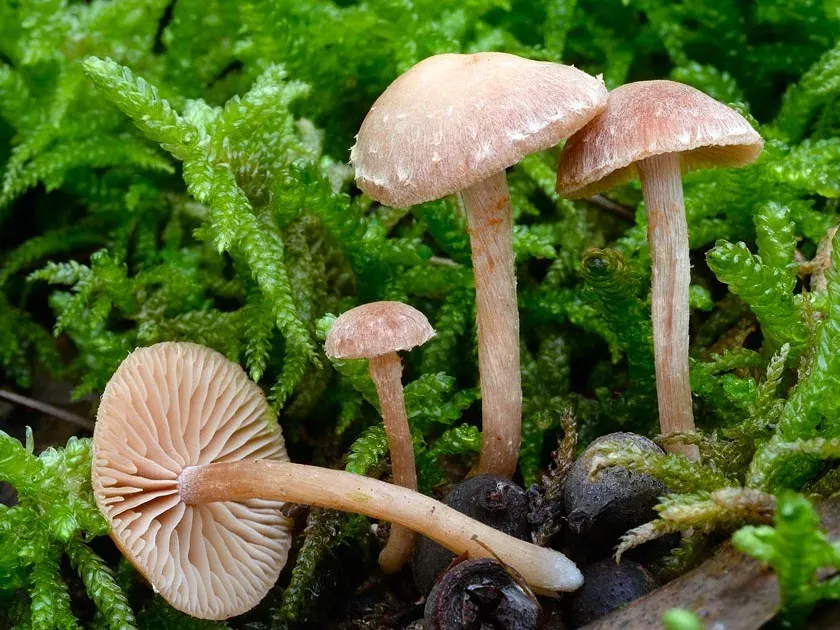
The most evident sign of infestation is the emergence of small, rust-colored or ochre-brown mushrooms on the bark or decay sites of the host plant.
Internally, the infected wood may show signs of softening and discoloration, often becoming brittle or spongy as the fungal mycelium consumes the tissues.
Above-ground symptoms can include stunted growth, chlorosis, and premature leaf drop due to the disruption of xylem water conduction channels.
Bark lesions or cracks often serve as visible entry points where the fungal mycelium is actively colonizing the underlying cambium layer.
In advanced stages of infection, the structural integrity of branches or trunks is compromised, making them highly susceptible to breaking under wind stress.
Pathogen
Tubaria romagnesiana is a fungal species known primarily as a saprotrophic organism that plays a role in wood decomposition processes.
It belongs to the class of Basidiomycetes and is capable of breaking down complex plant cell wall structures, such as cellulose and lignin, in decaying organic matter.
While often found on dead plant materials, it can act as a secondary invader, colonizing the weakened tissues of living woody plants that are already stressed.
The fungus spreads via mycelial growth within the wood fibers, utilizing extracellular enzymes to dissolve the structural matrix of the tree.
Under specific environmental conditions, it develops characteristic fruit bodies that release spores, facilitating the further spread of the pathogen in the garden or forest environment.
Conditions for development
The development of this fungus is strictly dependent on high humidity and rainfall, which keeps the bark and wood tissues sufficiently moist.
Stagnant air conditions, common in unpruned or overly dense canopy structures, provide the ideal microclimate for fungal colonization.
Mechanical injuries, such as broken branches from storms or improper pruning cuts, create perfect opportunities for spore germination.
Temperature fluctuations within the temperate zone often trigger the proliferation of the mycelium during the spring and autumn months.
Weakened trees, whether due to drought, soil nutrient imbalances, or insect infestation, are significantly more susceptible to successful fungal infection.
Why it matters
The primary damage caused by the fungus is the gradual structural degradation of the wood, leading to potential limb failure and loss of tree stability.
It interferes with the tree's vascular system, preventing proper distribution of nutrients and water, which leads to branch dieback and overall vigor loss.
In an orchard or garden setting, the presence of these fungi reduces the productivity and lifespan of the affected specimens.
Severe infestations can lead to the total decline and eventual death of the tree if the fungal rot progresses into the heartwood.
Economic damage includes the cost of pruning, specialized maintenance, or the complete removal of hazardous trees that are structurally unsound.
Protection
Preventative care is the most effective approach, focusing on maintaining tree health through appropriate fertilization and regular watering practices.
Sanitation is critical; all dead, decaying, or infected branches should be promptly removed and disposed of away from the planting site.
Any fresh pruning wounds should be immediately protected with specialized tree wound paints to prevent fungal spores from entering.
Proactive antifungal treatments with copper-based fungicides can help protect the bark surface of highly valuable specimen trees during high-risk weather conditions.
- Sterilize all pruning tools between cuts to avoid cross-contamination.
- Promote good air circulation within the tree canopy through thinning.
- Perform annual health inspections to identify early signs of fungal decay.
Discussion
No discussions yet — be the first.