
Tubaria furfuracea
Tubaria furfuracea
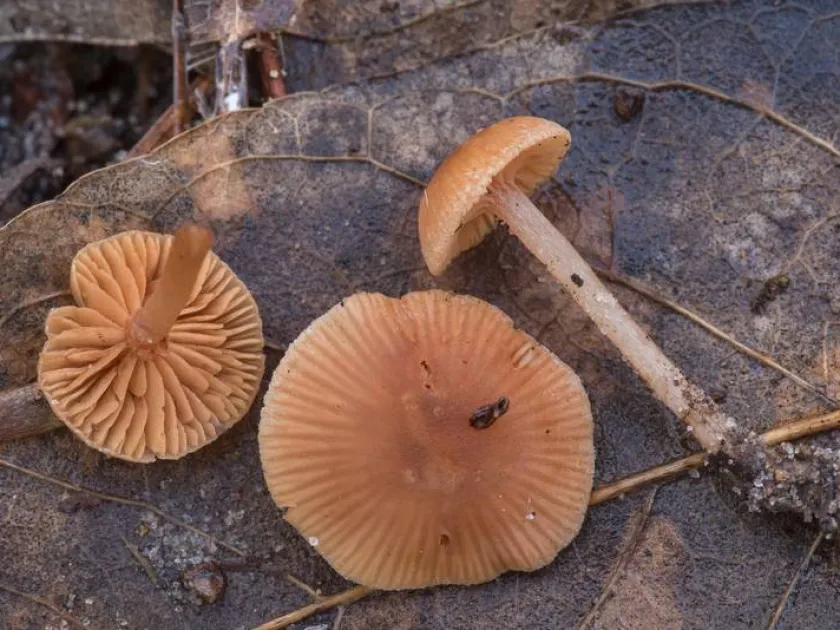
Description
Pathogen
Tubaria furfuracea, commonly known as the scurfy twiglet, is a saprotrophic fungus belonging to the Tubariaceae family. It primarily functions as a decomposer of dead organic plant material.
The fungus thrives by breaking down complex polymers like lignin and cellulose found in wood. Its mycelium colonizes the substrate, absorbing nutrients and facilitating the natural process of decomposition.
Its fruiting bodies are typically small, with a brown or ochre-colored cap that features a characteristic scaly or scurfy texture, which gives the species its name.
Like many agarics, it reproduces through basidiospores. These spores are dispersed by air currents and water droplets, allowing the fungus to colonize new substrates rapidly.
While ecologically beneficial in forest ecosystems for nutrient cycling, its appearance in managed gardens is often viewed as a sign of accumulated woody debris.
Conditions for development
High levels of humidity are the primary requirement for the growth and development of Tubaria furfuracea. It is most active following periods of sustained precipitation.
The fungus prefers cooler temperatures, making autumn and early spring the most favorable times for the emergence of its fruiting bodies in many climate zones.
An abundance of woody substrate, such as wood chips, fallen twigs, or decaying logs, provides an ideal habitat for the colonization and establishment of this fungal species.
Shaded, damp environments where sunlight is limited and soil moisture remains constant allow the mycelium to spread effectively through the available organic matter.
Poorly ventilated areas with high organic content in the soil or mulch layer often exhibit the highest rates of fungal activity due to the stable microclimate provided.
Why it matters
Tubaria furfuracea is not considered a parasite of living trees, but it can be detrimental to the longevity of wood-based landscape elements like garden mulch.
The rapid decomposition of decorative wood chips or path materials leads to higher maintenance costs and the need for frequent replacement of garden materials.
The presence of mass fruiting bodies may impact the aesthetic appeal of ornamental gardens, causing concern among homeowners regarding the health of their plants.
In terms of health, the mass release of spores may trigger respiratory irritation in sensitive individuals, especially when performing cleanup tasks near large fungal colonies.
While it does not kill healthy plants, its presence on dead wood near living tissue can potentially create a damp environment that might harbor other, more harmful pathogens.
Protection
The most effective strategy for managing this fungus is regular site sanitation. Clearing away fallen branches, old bark, and decaying debris removes the essential food source.
When using wood mulch in landscapes, ensure the layer is not too thick and that the site has adequate drainage to prevent excessive moisture retention.
Regular maintenance, including the pruning of dead or diseased branches from trees and shrubs, prevents the buildup of the substrate that the fungus requires to thrive.
Physically removing the fruiting bodies as soon as they appear can help limit the spread of spores to other areas of the garden, although this is only a partial measure.
If wood structures or decorative elements are heavily colonized, treating them with appropriate wood preservatives or fungicides can slow down the decay process.
Discussion
No discussions yet — be the first.