
Tubaria dispersa
Tubaria dispersa
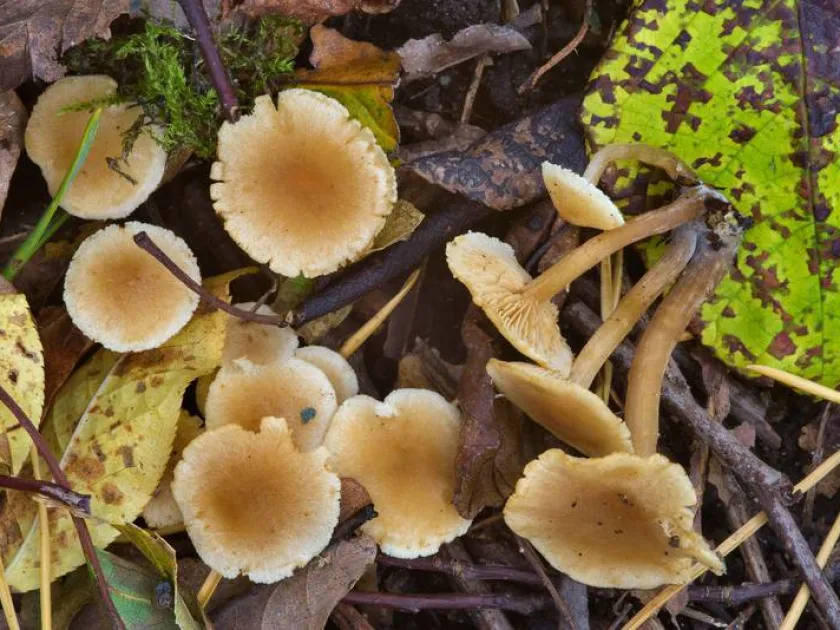
Description
Pathogen
Tubaria dispersa is a species of fungus belonging to the Tubariaceae family. It is fundamentally a saprotroph, meaning it gains its nutrients from decaying organic matter rather than attacking living plant tissue directly.
The fungus reproduces via basidiospores, which are dispersed by wind or water. The vegetative mycelium spreads through soil, wood mulch, and plant debris, processing complex carbon sources.
While not a primary plant pathogen, its presence is a biological indicator of specific environmental conditions, such as high moisture levels and a surplus of decomposing organic materials near plants.
The taxonomy of this species is subject to mycological research, as it can sometimes be confused with other small brown fungi found in similar garden habitats.
Its biological cycle is tightly coupled with the decomposition of organic debris, making it a common resident in gardens that utilize heavy mulch or have poor soil drainage.
Conditions for development
Tubaria dispersa thrives in high humidity environments. Extended periods of rain or constant irrigation are primary triggers for the emergence of its fruiting bodies.
The fungus is frequently found in gardens where fresh wood chips, sawdust, or bark are used as mulch. These materials provide the carbon-rich substrate necessary for the fungus to establish a robust mycelial network.
Temperatures ranging from 10°C to 20°C (50°F–68°F) are optimal for the growth and spore release of this species. It is particularly active during the spring and autumn months.
Poorly ventilated areas and dense plantings that trap humidity near the soil surface create an ideal microclimate for the development of the fungus.
Over-compaction of the soil, which limits aeration and keeps the upper substrate layer constantly moist, further encourages the colonisation of the area by this saprotrophic fungus.
Why it matters
Although it is not a direct parasite, the presence of Tubaria dispersa can be detrimental by competing with beneficial soil microflora. Dense mycelial mats may impede gas exchange in the soil, affecting root respiration.
The appearance of numerous fruiting bodies in ornamental beds is often considered an aesthetic issue, detracting from the appearance of lawns, flowerbeds, and landscaped gardens.
In some scenarios, the accumulation of mycelium around the root collar of young seedlings can lead to localized moisture retention, potentially weakening the plant tissues and making them more susceptible to true pathogens.
The fungus may contribute to the rapid acidification or localized densification of the substrate, which can negatively influence the nutrient uptake efficiency of the neighboring plants.
Massive colonization of the area by this fungus is an agronomic signal that maintenance practices, such as irrigation and mulching, are not balanced correctly for the specific plant culture.
Protection
The most effective management strategy is rigorous sanitation. Removing old mulch, rotting branches, and accumulated debris will eliminate the nutrient sources required by the fungus.
Maintain proper irrigation schedules to avoid persistent waterlogging of the soil surface. Regular mechanical cultivation (hoeing) of the topsoil will break up mycelial networks and improve oxygenation.
If mulching is necessary, use well-composted organic matter instead of fresh wood chips, as the former is less likely to support the growth of wood-decaying saprotrophs.
Hand-picking fruiting bodies as soon as they appear can help reduce the spore load in the garden, preventing further spread within the growing area.
Incorporating beneficial biological products, such as those containing Trichoderma species, can help outcompete saprotrophic fungi and improve overall soil health and disease resistance.
Discussion
No discussions yet — be the first.