
Tritirachiomycetes
Tritirachiomycetes
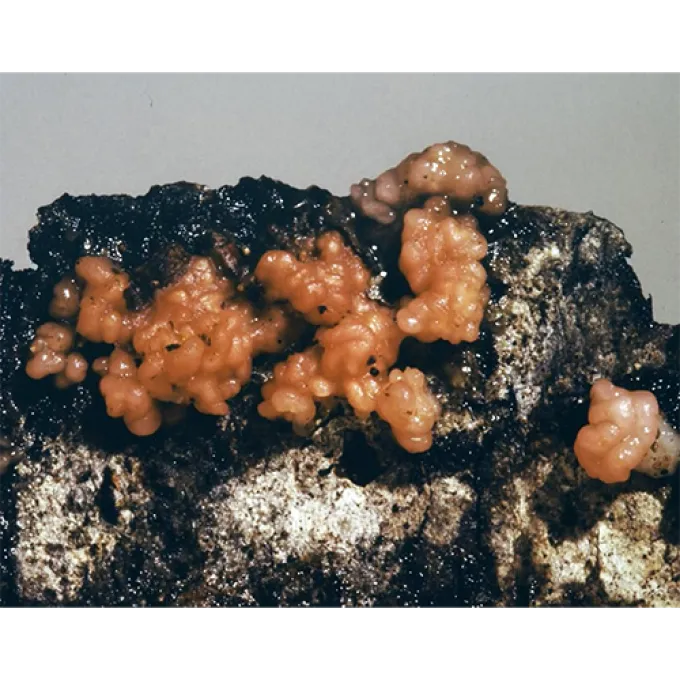
Description
Pathogen
Tritirachiomycetes represent a specialized class of fungi within the phylum Basidiomycota. They were taxonomically distinguished based on detailed phylogenetic analyses, which separated them from other similar fungal groups.
These pathogens are characterized by a unique mode of asexual reproduction through conidiogenous cells. These cells, often described as having a zig-zag appearance, are the primary diagnostic feature used by mycologists to identify members of this class in the field and laboratory.
While often found as saprotrophs on decaying organic matter, some species have developed the capacity to parasitize living plant tissues. They infect plants by colonizing the outer epidermal layers and gradually extending their mycelium into the internal vascular tissues.
The biology of Tritirachiomycetes is highly adaptive. They possess complex genetic mechanisms that allow them to survive in diverse environmental conditions, transitioning from dormant stages to active parasitic growth when host plants are stressed.
Research into this group is ongoing, as their role in plant disease complexes becomes more evident in modern agriculture. Understanding their metabolic pathways is essential for developing targeted fungicides that can disrupt their growth cycle without harming the host crop.
Conditions for development
High relative humidity is the most critical factor for the development and spread of Tritirachiomycetes. Extended periods of rainfall or heavy dew provide the necessary moisture for the germination of fungal spores on plant surfaces.
Moderate temperatures ranging from 18°C to 25°C are optimal for the rapid colonization of host tissue. In these temperature regimes, the fungus can complete its life cycle more efficiently, leading to faster disease progression.
Dense planting configurations create microclimates characterized by reduced airflow and increased humidity. These conditions allow the fungus to thrive and move easily between neighboring plants, potentially leading to widespread infection within a field.
The presence of unmanaged plant debris acts as a reservoir for the pathogen. Fungal mycelium can persist in crop residue over the winter, ensuring a high concentration of inoculum for the following growing season.
Improper nutrient management, particularly excess nitrogen fertilization, encourages succulent plant growth. Such tissue is more vulnerable to penetration by fungal hyphae, making crops significantly more susceptible to infection compared to those grown with balanced nutrition.
Why it matters
The damage caused by Tritirachiomycetes primarily manifests as restricted vascular function. By clogging the plant's xylem and phloem, the fungus impairs the transport of water and nutrients, resulting in overall stunted growth.
Infected plants frequently exhibit signs of premature wilting and tissue necrosis. This reduction in functional leaf area significantly lowers the plant's photosynthetic capacity, leading to substantial reductions in yield and seed quality.
Root and stem rot are common consequences of severe infections. This weakens the physical structure of the plant, often causing lodging, which complicates harvesting operations and leads to further losses in the field.
Beyond physical damage, the presence of these fungi can contaminate harvests with secondary metabolites. These substances not only reduce the quality of the produce but can also be toxic, rendering the crop unsuitable for food or feed markets.
Financial losses from these infections include both the direct reduction in yield and the increased expenditure on chemical crop protection measures. Managing these pathogens effectively is crucial for maintaining the profitability of sensitive agricultural sectors.
Protection
Crop rotation is the most effective cultural practice to manage Tritirachiomycetes. By alternating susceptible crops with non-host plants, farmers can significantly decrease the pathogen density in the soil over several years.
Field sanitation remains a pillar of disease prevention. Thorough incorporation or removal of crop residue eliminates the primary survival sites for the pathogen, thereby reducing the amount of inoculum available for the next season.
The use of certified, treated seeds is essential to prevent the introduction of the pathogen into new areas. Integrating resistant or tolerant cultivars into the crop management plan provides a sustainable long-term solution.
- Application of systemic fungicides at the first sign of symptoms.
- Enhancing plant immunity through balanced fertilization, focusing on phosphorus and potassium.
- Implementing greenhouse humidity control to prevent favorable conditions for fungal growth.
Biological control agents, such as beneficial microorganisms that compete with or parasitize the pathogen, are becoming increasingly popular. These strategies offer an environmentally friendly approach to keeping fungal populations below the economic threshold.
Discussion
No discussions yet — be the first.