
Meadowsweet rust
Triphragmium ulmariae
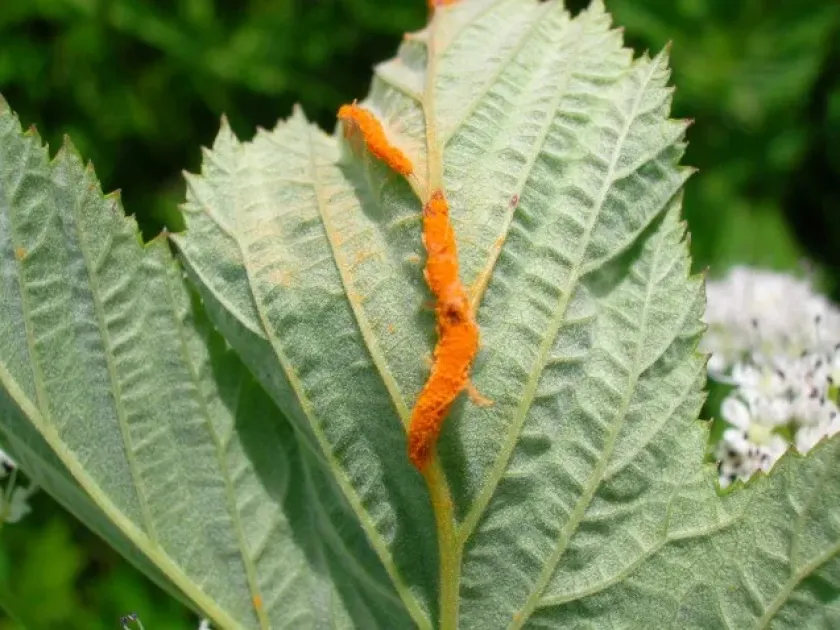
Description
Symptoms
Initial symptoms are characterized by small, yellow or orange chlorotic spots on the upper leaf surface, signaling the development of aecia.
As the infection progresses, distinctive rust-colored or brown powdery pustules appear on the underside of leaves and sometimes on petioles or stems.
Severe infection leads to leaf yellowing, necrosis, and premature senescence. The foliage loses its natural color and becomes brittle and curled.
Under magnification, the teliospores display a unique three-celled structure, which is the key diagnostic morphological trait of Triphragmium ulmariae.
In cases of heavy infestation, the entire plant structure can be distorted, significantly weakening the organism and hindering its normal growth patterns.
Pathogen
The causal agent of this disease is the specialized rust fungus Triphragmium ulmariae. It belongs to the order Pucciniales and is considered an obligate parasite.
The fungus exhibits a complex life cycle with multiple spore stages, typical for rust fungi. It relies entirely on the tissues of its host plant, specifically the genus Filipendula.
The pathogen overwinters primarily as teliospores on fallen leaves and stem debris. These dormant spores are highly resistant to cold weather and environmental stressors.
During the spring, teliospores germinate to produce basidiospores, which act as the primary inoculum for new infections on emerging young meadowsweet foliage.
Throughout the growing season, the fungus produces uredospores, which are responsible for the rapid spread of the disease through wind and water splashes.
Conditions for development
High humidity and prolonged periods of leaf wetness are critical factors for the development of meadowsweet rust. Frequent rain or heavy dew triggers spore germination.
Moderate temperatures ranging from 15°C to 22°C provide the optimal environment for the mycelium to spread and for the rapid production of new spores.
Poor air circulation, often caused by overly dense planting or lack of pruning, keeps the foliage moist for longer periods, facilitating successful infection.
Plants subjected to environmental stress, poor soil nutrition, or shading are more susceptible to the penetration of the rust pathogen into their tissues.
Rapid changes in weather, especially transitions from warm to cool, damp conditions, often lead to sudden outbreaks of the disease in gardens and wild populations.
Why it matters
The primary harm is the disruption of the plant's photosynthetic ability, which directly reduces the production of essential carbohydrates and energy reserves.
Affected plants suffer from decreased cold hardiness, making them more prone to winter injury or death during harsh winter months due to metabolic exhaustion.
Meadowsweet rust severely diminishes the aesthetic value of the plant, rendering it unsuitable for floral arrangements or ornamental landscaping purposes.
In natural ecosystems, persistent rust pressure can reduce the flowering vigor and seed set of infected plants, potentially affecting long-term population stability.
If left unmanaged, the cumulative stress from repeated infections can eventually lead to the decline and mortality of the individual specimen.
Protection
Sanitation is the most effective preventive measure: collect and remove all infected plant debris during autumn to eliminate the primary overwintering source.
Maintain proper spacing between plants to ensure good air movement, which helps keep the foliage dry and makes the environment less favorable for the fungus.
Chemical control involves the application of appropriate fungicides, such as copper-based products or systemic triazoles, once symptoms are first observed.
Regular inspection of the garden is essential to catch the disease early, allowing for the immediate pruning and destruction of infected tissues.
- Use potassium and phosphorus fertilizers to boost plant immunity.
- Avoid overhead irrigation to minimize leaf wetness duration.
- Rotate crops if necessary to break the pathogen's life cycle.
Discussion
No discussions yet — be the first.