
Triphragmium
Triphragmium
Description
Symptoms
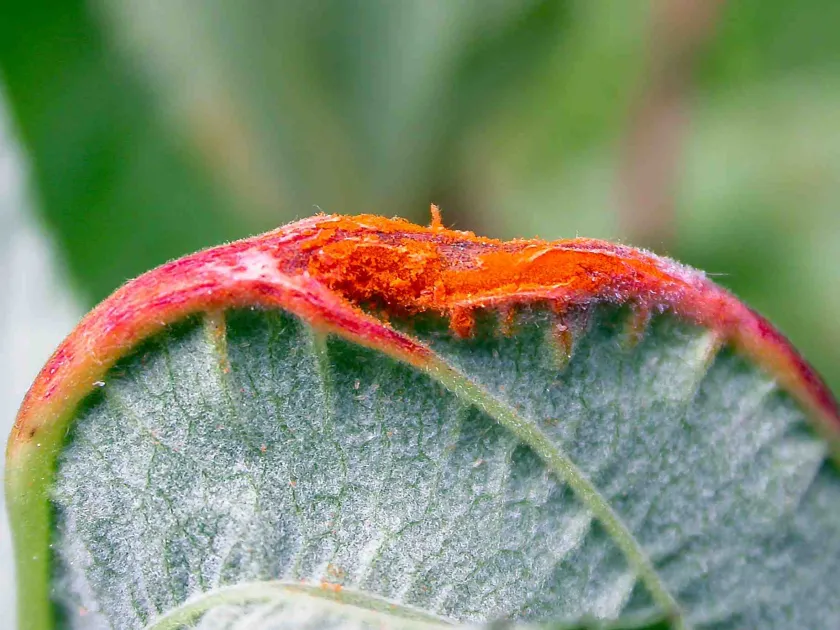
The primary symptom of Triphragmium infection is the appearance of distinct pustules on leaves and petioles. These pustules often start as small, light-colored spots that eventually develop into brown or dark-colored lesions as the fungus matures.
As the fungal spores develop, the surface of the plant tissue ruptures, releasing a fine, powdery mass of spores. This dispersal process allows the infection to spread rapidly across the plant canopy and to neighboring vegetation.
Affected leaves frequently show signs of yellowing, wilting, and premature senescence. In severe cases, the infected areas become brittle, leading to significant defoliation and a decline in the plant's overall health and vigor.
During the late season, the pustules may darken, indicating the formation of overwintering structures. These dark, hardy spores allow the pathogen to survive harsh winter conditions in the soil or on plant debris.
Visually, the plant appears stunted and loses its aesthetic appeal. The disruption of leaf tissue negatively impacts the photosynthesis process, leading to long-term growth complications.
Pathogen
Triphragmium is a genus of fungi belonging to the order Pucciniales, commonly known as rust fungi. These organisms are highly specialized obligate parasites that depend on a living host to complete their life cycle.
The pathogen utilizes a complex life cycle, often producing several types of spores throughout the growing season. This biological complexity enables the fungus to adapt effectively to the host plant and local environmental shifts.
Infection begins when spores land on susceptible plant surfaces and germinate under moist conditions. The fungus then penetrates the epidermal layer to establish its mycelium within the host's tissues.
Once inside, the fungus draws nutrients directly from the plant cells, weakening the host from the inside out. Its growth is closely tied to the physiological state of the host plant, often exploiting periods of high metabolic activity.
The resilience of these fungal structures makes them formidable pathogens in agricultural and ornamental settings. Their ability to remain dormant ensures the continuity of the disease from year to year.
Conditions for development
Warm temperatures combined with high humidity are the primary triggers for Triphragmium development. Frequent rainfall, dew, and persistent fog create the perfect moisture film on leaves for spore germination.
Poor ventilation within dense plant groupings significantly increases the risk of outbreak. When the air remains stagnant, moisture cannot evaporate, allowing the fungus to infect tissues more aggressively.
Low light conditions and shaded environments often exacerbate the problem by lowering the plant's natural defense mechanisms. In such settings, leaves remain damp for longer durations, favoring fungal colonization.
The optimal temperature range for the pathogen typically falls between 15°C and 22°C. While extreme heat may slow down activity, the spores are highly capable of surviving until favorable conditions return.
Poor horticultural practices, such as overhead irrigation that keeps foliage wet for extended periods, act as a primary driver for the spread of this disease in gardens and nurseries.
Why it matters
The disease causes a substantial drain on the plant's resources, leading to reduced growth and diminished yield. By damaging the foliage, the fungus impairs the plant's ability to produce energy through photosynthesis.
Premature leaf drop often occurs, leaving the plant vulnerable to winter injury and reducing its chance of successful survival during the dormant period. This is particularly problematic for sensitive perennial shrubs.
Long-term infestation can weaken the plant to the point where it becomes susceptible to secondary infections or pest attacks. The decline in immunity means the plant struggles to recover even after the initial stressor is removed.
In terms of agricultural value, Triphragmium can render ornamental crops unmarketable. The visual damage caused by the pustules ruins the aesthetic value of nursery stock, leading to significant economic losses.
Repeated yearly infections can lead to the gradual decline of the plant specimen, eventually causing the death of younger, more vulnerable branches or even the entire plant.
Protection
The first line of defense is strict sanitation, which involves removing and destroying all infected plant debris during the autumn. Eliminating overwintering sites is crucial to breaking the disease cycle.
Proper pruning practices are essential to increase airflow within the canopy. By thinning out crowded branches, you ensure that foliage dries quickly after rainfall, thereby discouraging fungal growth.
Fungicide application should be performed as soon as the first signs of pustules are detected. Copper-based or systemic fungicides are effective at controlling the spread if applied thoroughly to all leaf surfaces.
- Select resistant plant varieties to prevent initial infection.
- Apply balanced fertilization to support plant vigor without stimulating excessive soft growth.
- Implement proper spacing to ensure adequate light and air circulation.
It is important to rotate the types of fungicides used to prevent the pathogen from developing resistance. Consistently following a management schedule will ensure long-term control of the disease.
Discussion
No discussions yet — be the first.