
Trimmatostroma blight
Trimmatostroma scutellare
Description
Symptoms
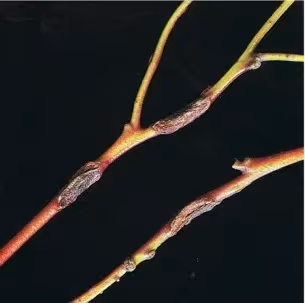
The primary symptom of the disease is the appearance of dark, localized spots on the bark of shoots and branches. As the infection progresses, these spots expand in size and number.
Infected bark tends to crack, becoming a site for secondary infections. In dry conditions, the tissue in the affected zone may die off completely, turning a grayish or necrotic brown color.
During periods of high humidity, pustules of conidial spores appear on the surface of the infected bark. These structures often manifest as small, dense cushions, varying in color from light to dark depending on their maturity.
When the infection girdles a branch, the foliage distal to the lesion will yellow and wither prematurely. This occurs because the fungal colonization effectively blocks the upward flow of water and minerals.
Diagnosing this disease in its early stages can be challenging, as the symptoms often resemble mechanical damage or chemical burns, necessitating careful examination or laboratory culture to confirm the presence of the pathogen.
Pathogen
The disease is caused by the fungus Trimmatostroma scutellare, which is classified within the group of hyphomycetes. This pathogen is known for its ability to colonize the bark and cambium of various woody plants.
It acts as a parasite that infects young branches and stems. The fungus can survive in plant debris, such as fallen branches or pruning waste, allowing it to persist in the environment from one season to the next.
Reproduction is facilitated by conidial spores, which are disseminated by wind, rain, or physical contact with contaminated tools. Once these spores land on vulnerable bark tissue, they germinate and penetrate the host.
The fungal mycelium spreads within the plant tissues, disrupting nutrient and water transport. This impairment of the vascular system leads to the gradual decline and eventual death of the affected plant parts.
Pathological research indicates that the fungus often acts opportunistically, targeting trees already stressed by environmental factors, though it can exhibit significant aggressiveness under optimal climate conditions.
Conditions for development
High relative humidity and moderate temperatures are the most critical factors for the development of Trimmatostroma blight, as they favor spore germination and the infection of healthy tissue.
Dense plantings, which limit air circulation, are particularly susceptible to this disease. Persistent moisture on the bark surface following rainfall or heavy dew provides a perfect environment for the fungus to thrive.
Mechanical injuries, such as frost cracks, sunscald, or improper pruning cuts, act as entry points for the pathogen, significantly increasing the risk of successful infection.
Trees suffering from poor nutrition, drought stress, or competition for resources exhibit reduced vigor, making them significantly more vulnerable to colonization by this specific fungal parasite.
The fungus is most active during the spring flush and the autumn months, when environmental conditions facilitate the widespread release and dispersal of spores across the canopy.
Why it matters
Trimmatostroma blight poses a significant threat to the health and aesthetic value of ornamental trees and fruit-bearing woody species, often leading to severe deformities in the canopy.
The cumulative effect of the disease is the progressive dieback of branches. Over time, this leads to a sparse and unhealthy-looking crown, reducing the plant's overall vitality and longevity.
Young saplings are at high risk, as the infection can spread rapidly through the main stem, potentially killing the entire plant within a single growing season.
Infected specimens serve as primary reservoirs of inoculum, which can quickly spread the disease to neighboring healthy trees, resulting in local outbreaks in gardens or nurseries.
Furthermore, the damage caused by the fungus creates an entry point for wood-boring insects, further compounding the harm and making the recovery of the tree extremely difficult.
Protection
Sanitation is the most effective management strategy; this includes the immediate removal and destruction of all branches showing signs of necrosis, cutting well back into healthy wood.
Strict tool hygiene is essential. Pruning tools must be disinfected with alcohol or copper-based solutions between trees to prevent the cross-contamination of healthy tissue during maintenance.
Preventative applications of copper-containing fungicides during the early spring, before bud break, can create a protective layer on the bark, preventing initial spore germination.
Maintaining optimal tree vigor through balanced fertilization and proper site selection helps increase natural resistance, reducing the likelihood that the fungus will successfully establish an infection.
In cases of severe infestation, systemic fungicides may be employed. It is crucial to rotate chemical classes to prevent the fungus from developing resistance and to follow all application guidelines for specific plant species.
Discussion
No discussions yet — be the first.