
Trimmatostroma canker
Trimmatostroma
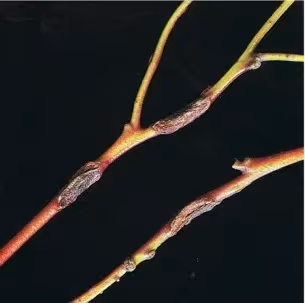
Description
Symptoms
The most visible sign of Trimmatostroma infection is the development of necrotic cankers on stems, trunks, and branches of the tree.
Tiny black fruiting bodies (conidiomata) often erupt through the bark surface, appearing as small, dark, raised cushions or pustules.
As the disease progresses, the bark in the infected area becomes brittle, begins to crack, and may eventually peel off, exposing the underlying dead wood.
Branches beyond the point of infection often show signs of dieback, including wilting leaves and the gradual cessation of terminal growth.
Localized discoloration of the bark, sometimes accompanied by a sunken appearance, is a key indicator of internal fungal activity and tissue necrosis.
Pathogen
The disease is caused by fungi of the genus Trimmatostroma, which belong to the Ascomycota division. These pathogens are known for causing various necroses and cankers on woody plants.
The fungus produces conidia on the surface of the bark, which serve as the primary source of infection and spread via wind, splashing rain, and contaminated tools.
The mycelium colonizes the bark and cambium layers of the host plant, effectively disrupting the vascular system and preventing the normal flow of nutrients and water.
Trimmatostroma species are highly adaptable and can survive in dormant stages within dead wood or cankers throughout the winter, waiting for favorable conditions.
The biological cycle of the pathogen is often associated with the tree's vulnerability, as the fungus typically infects through natural cracks or mechanical injuries.
Conditions for development
High relative humidity and frequent rainfall are critical factors that promote the germination of fungal spores and their subsequent colonization of host tissues.
Trees that have suffered from winter injury, frost, or drought are significantly more susceptible to infection due to the presence of open entry points.
Crowded plantings that prevent proper air circulation lead to a microclimate with high moisture, facilitating the rapid spread of the pathogen between trees.
Neglecting sanitation practices, such as leaving diseased branches on the ground, creates a reservoir of infection that can affect the entire garden or plantation.
Temperature fluctuations during the growing season can influence the activity level of the fungus, with mild, damp periods being particularly hazardous.
Why it matters
Trimmatostroma canker poses a severe threat to young or weakened trees, which may succumb to the disease if left untreated for multiple seasons.
The infection results in the loss of structural integrity of branches, leading to breakages and the overall decline in the aesthetic value of ornamental trees.
Systemic damage to the vascular tissues deprives the tree of its essential resources, which often leads to poor vigor, yellowing leaves, and premature leaf drop.
Weakened trees become secondary targets for wood-boring insects and other opportunist pathogens, making recovery significantly harder to achieve.
The economic impact is notable in nurseries, where the disease can force the destruction of large batches of nursery stock due to poor health quality.
Protection
Rigorous sanitation involving the immediate pruning and destruction of all infected branches is the most effective way to manage the disease.
Application of appropriate fungicides, particularly those based on copper, can help prevent new infections during the period of active fungal sporulation.
Maintaining optimal tree health through proper fertilization and irrigation helps the plant develop a natural defense against potential fungal attacks.
Protecting the bark from mechanical injury and sunscald is essential, as these damages are primary points of entry for the Trimmatostroma fungus.
- Sterilize all pruning tools with a disinfectant solution between each cut.
- Avoid over-crowding plants to ensure adequate sunlight and airflow.
- Monitor the canopy regularly for early signs of bark discoloration or cankers.
Discussion
No discussions yet — be the first.