
Trichothecium rot
Trichothecium
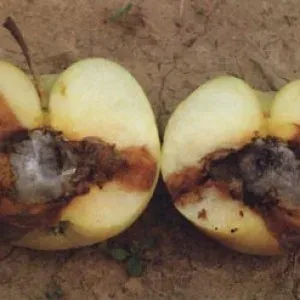
Description
Symptoms
Infection begins as small, discolored spots that expand rapidly across the fruit surface. The affected tissue turns soft and becomes noticeably watery.
The most diagnostic feature is the appearance of a dusty, pale pink to salmon-colored fungal growth over the lesions. This signifies the active stage of spore production.
Internally, the flesh of the fruit undergoes a brown, bitter-tasting rot. The bitterness is a direct consequence of the mycotoxins produced by the fungal hyphae.
When occurring in storage, the rot spreads from the initial point of infection to adjacent healthy fruits. This creates localized pockets of decay within storage bins.
In advanced stages, the entire fruit loses its integrity, shriveling and becoming entirely covered in the distinctive pink fungal growth.
Pathogen
The disease is caused by the imperfect fungus Trichothecium roseum. It is a common saprophyte that can act as a facultative parasite on various horticultural crops.
The fungus produces a characteristic light pink or salmon-colored fungal mat on the surface of infected plant tissues. This mat contains vast numbers of conidia which serve as primary inoculum.
These spores are highly mobile and are easily dispersed by air currents, splashing rain, and through contaminated equipment. They remain viable in the soil or on plant debris for extended periods.
The pathogen secretes mycotoxins, known as trichothecenes, which degrade cell structures and cause tissue necrosis. These toxins are significant, as they can persist in the infected fruit.
Often, Trichothecium roseum acts as a secondary pathogen. It rapidly colonizes tissues already weakened by other infections like apple scab or lesions caused by physical handling.
Conditions for development
High relative humidity is the primary catalyst for the development and spread of Trichothecium rot. Moisture levels above 80% are ideal for rapid fungal proliferation.
The pathogen thrives in moderate temperature ranges, typically between 20°C and 25°C. However, it is capable of slow growth at lower temperatures in cold storage environments.
Mechanical injuries are the main entry points for the fungus. Cuts, punctures, or insect feeding damage significantly increase the likelihood of successful infection.
Poor ventilation in storage facilities leads to stagnant air and high humidity, which favor the rapid colonization of fruits by the pathogen.
Extended periods of rain during the harvest window weaken the natural skin resistance of fruits, making them more susceptible to infection before they even reach the warehouse.
Why it matters
The primary economic impact is severe post-harvest loss. Infected batches can be rendered entirely unsaleable in a matter of days if the environment is conducive.
The presence of mycotoxins makes the affected fruit potentially hazardous for human or animal consumption. Even if the rot appears localized, the toxins may have permeated the fruit.
Fruit growers experience reduced yields, as the disease can lead to significant fruit drop before harvest. The cost of labor increases significantly due to the need for intensive sorting.
The disease undermines the quality and shelf-life of produce. Retailers and consumers reject shipments showing any signs of pinkish fungal growth, leading to direct financial loss.
Continuous infections require additional fungicide applications during the growing season, increasing the overall cost of crop management and environmental impact.
Protection
Sanitation is the cornerstone of control. Removing and destroying mummified fruits and debris from the orchard reduces the overwintering inoculum of the fungus.
Minimizing physical injuries during harvest, grading, and transport is vital. Implementing gentle handling practices significantly reduces the risk of infection.
Proper environmental management in storage is critical. Maintaining low temperatures and consistent airflow prevents the establishment and spread of the disease.
Pre-harvest fungicide sprays, applied according to the label, provide an essential protective barrier against spore germination on the fruit surface.
- Regular disinfection of storage crates and warehouse surfaces.
- Rigorous sorting to remove damaged or suspect fruit before storage.
- Control of secondary pests like mites or caterpillars that damage fruit skins.
- Monitoring humidity levels in cold storage rooms continuously.
Discussion
No discussions yet — be the first.