
Trichophyton plant disease
Trichophyton
Description
Symptoms
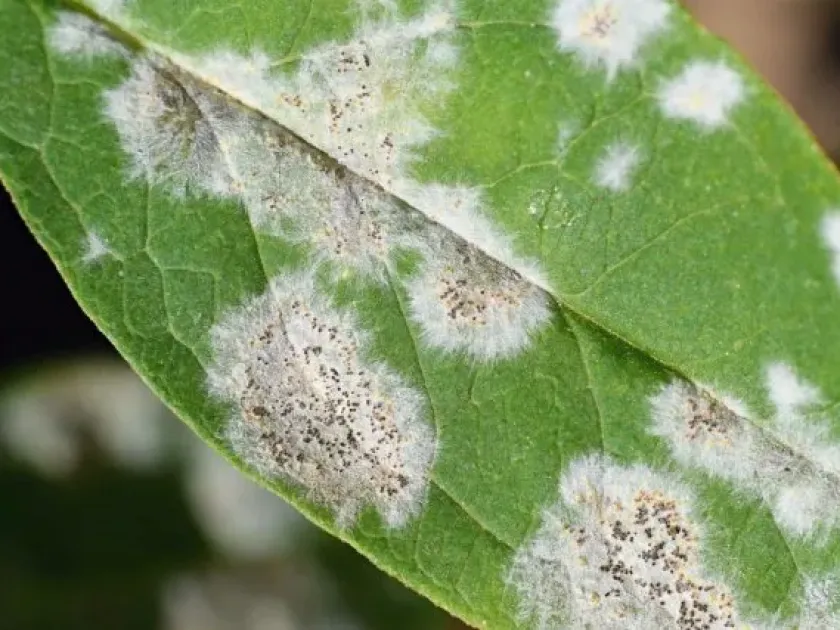
Early symptoms include the appearance of chlorotic spots on the leaf surface. As the infection progresses, these spots expand, often turning brown or greyish, indicating localized tissue necrosis.
A visible fungal growth, often appearing as a powdery or fuzzy mycelial mat, frequently forms on stems and leaves. This surface layer disrupts normal gas exchange and reduces the plant's photosynthetic capacity.
Root system infection often results in wilting, where the plant loses its turgidity. This occurs because the fungus damages the vascular tissue responsible for water and nutrient transport from roots to shoots.
In advanced cases, stem cracking or ulceration can occur. These physical lesions weaken the structural integrity of the plant and serve as entry points for various secondary microbial infections.
Premature leaf drop and stunting of overall plant development are common indicators. These physiological reactions suggest that the fungal pathogen has significantly interfered with the plant's metabolic balance.
Pathogen
The causative agent of this condition belongs to the genus Trichophyton, typically known as dermatophytes. In an agronomic context, these fungi interact with plant tissues by utilizing organic matter or infecting plants that have been weakened by environmental stressors.
The fungus develops a complex mycelium that permeates intercellular spaces within plant tissues. It secretes specific enzymes that break down cell walls, allowing the pathogen to extract nutrients from the host plant effectively.
Reproduction occurs through the production of numerous conidia. These spores are easily disseminated by wind, water splashes, and agricultural equipment, facilitating rapid colonization of large fields.
The fungus is characterized by its significant environmental resilience. It can persist as dormant chlamydospores in soil and plant debris for several growing seasons, remaining viable despite adverse temperatures.
The biological versatility of this fungus allows it to adapt to various hosts. It poses a persistent threat in agricultural ecosystems where hygiene standards are neglected or where soil health is suboptimal.
Conditions for development
High humidity levels, typically exceeding 75–80%, are the primary requirement for spore germination and rapid mycelial spread. Poor drainage often exacerbates the development of the pathogen.
Warm temperatures, generally ranging from +20°C to +28°C, are optimal for the pathogen's metabolic activity. These temperatures allow the fungus to complete its infection cycle in a relatively short time.
Overcrowded planting environments create stagnant air conditions. Without sufficient air movement, humidity persists around the foliage, significantly increasing the risk of widespread fungal infection.
Mechanical injuries, such as those caused by pest feeding or improper pruning, provide direct access for the fungus. Plants with compromised protective layers are significantly more susceptible to colonization.
Imbalanced soil nutrition, particularly excessive nitrogen fertilization, encourages lush but succulent growth. Such tissues are softer and lack the mechanical strength to resist penetration by fungal hyphae.
Why it matters
The primary economic impact is a direct reduction in crop yield. Infected plants often fail to reach maturity or produce low-quality fruit and seeds due to metabolic depletion.
Infection significantly lowers the shelf life and market value of harvested produce. Contaminated commodities may develop post-harvest rots, leading to substantial losses during storage and transportation.
Widespread outbreaks can devastate entire crops, necessitating early harvesting or total destruction of the field. This results in significant financial losses for the producer.
The pathogen establishes a reservoir in the soil, which complicates future cultivation of the land. Successive plantings of susceptible hosts are often doomed to failure without rigorous decontamination.
Management costs increase substantially due to the need for repeated fungicide applications and intensive labor required to rogue out infected plants and monitor the health of the field.
Protection
Integrated pest management begins with the selection of certified, disease-free seed and planting material. Proper treatment of seeds before sowing can significantly mitigate the risk of early-season infections.
Implementing a strict crop rotation schedule is essential. By planting non-host crops, farmers can starve the fungus of its primary substrate and reduce the population of dormant spores in the soil.
Sanitation practices, such as the removal and burning of crop residues after harvest, are crucial for limiting the pathogen's ability to survive the winter. Thorough field cleanup reduces initial inoculum levels for the next season.
Applying fungicides should be done strategically and in compliance with local regulations. Utilizing different chemical classes helps prevent the development of resistant fungal strains.
- Ensuring adequate plant spacing to promote air circulation.
- Maintaining soil fertility with balanced potassium and phosphorus levels to boost plant immunity.
- Decontaminating agricultural tools with disinfectants after use in affected areas.
- Using biological control agents, such as beneficial fungi, to naturally suppress pathogenic growth.
Discussion
No discussions yet — be the first.