
Trichophaea gregaria
Trichophaea gregaria
Description
Pathogen
The causative agent is the saprotrophic fungus Trichophaea gregaria, which belongs to the Ascomycota division. This microorganism is most commonly found in soil, where it feeds on organic debris, but under certain conditions, it can exhibit pathogenic properties.
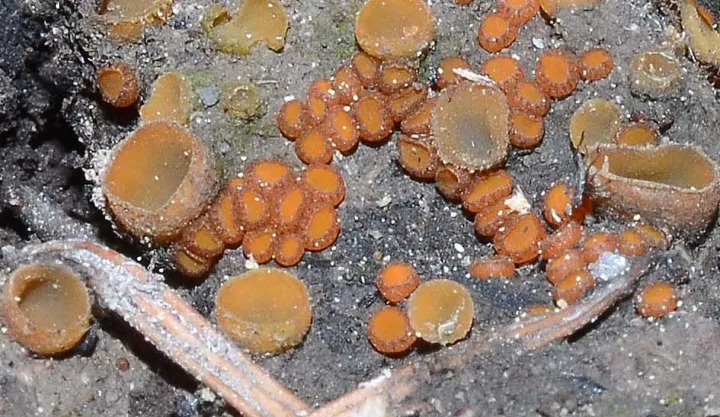
The fungus forms fruit bodies known as apothecia, which appear as small, hairy cups. These serve as a source for spore dissemination, which can be spread by wind or water splashes.
In agronomic practice, this species is considered a facultative parasite or saprophyte capable of attacking weakened plant tissues.
The biological cycle of the fungus is closely linked to the decomposition of plant residues, yet in greenhouse conditions, it can colonize seedlings and seeds.
The mycelium of the fungus is characterized by rapid growth in high humidity, allowing it to quickly occupy nutritional substrates.
Conditions for development
The primary factor for the development of the fungus is excessive moisture in the substrate or soil. If aeration is poor and water stagnates, Trichophaea gregaria begins to grow actively.
The optimal temperature for colonization of plant tissues is between +18°C and +24°C, which often coincides with the growing conditions for vegetables in protected soil.
The presence of large amounts of uncomposted organic matter in the soil creates a favorable environment for the accumulation of fungal inoculum.
Dense planting of crops, which hinders normal air circulation, also facilitates the intensive development of spores on the soil surface and plant stems.
Failure to regularly disinfect tools and equipment leads to the rapid transfer of spores between growing areas.
Why it matters
The main danger lies in the infection of the root zone, which leads to the development of rot and the subsequent death of young seedlings.
The fungus can suppress root system growth, reducing the plant's nutrient uptake capacity and leading to delayed vegetation.
In the case of infection of fruits or leaves that come into contact with the soil, necrotic spots occur, which reduce the marketability of the produce.
Secondary infections may develop, as tissues damaged by the fungus become more vulnerable to other opportunistic pathogens.
- Reduced seed germination upon substrate contamination.
- Mass lodging of seedlings in greenhouses.
- Loss of crop marketability due to fungal lesions.
Protection
To prevent the spread, it is necessary to maintain a strict water regime, avoiding waterlogging and stagnation in the root zone.
Regular disinfection of soil mixtures before planting is recommended, using thermal methods or specialized fungicides.
An important element of prevention is maintaining high standards of farming: timely removal of plant residues helps reduce the fungal population.
When infection outbreaks are detected, it is necessary to apply chemical agents authorized for use against soil-borne pathogens.
Ensuring proper ventilation in protected soil significantly reduces the risk of cross-contamination among healthy plants.
Discussion
No discussions yet — be the first.