
Trichophaea
Trichophaea
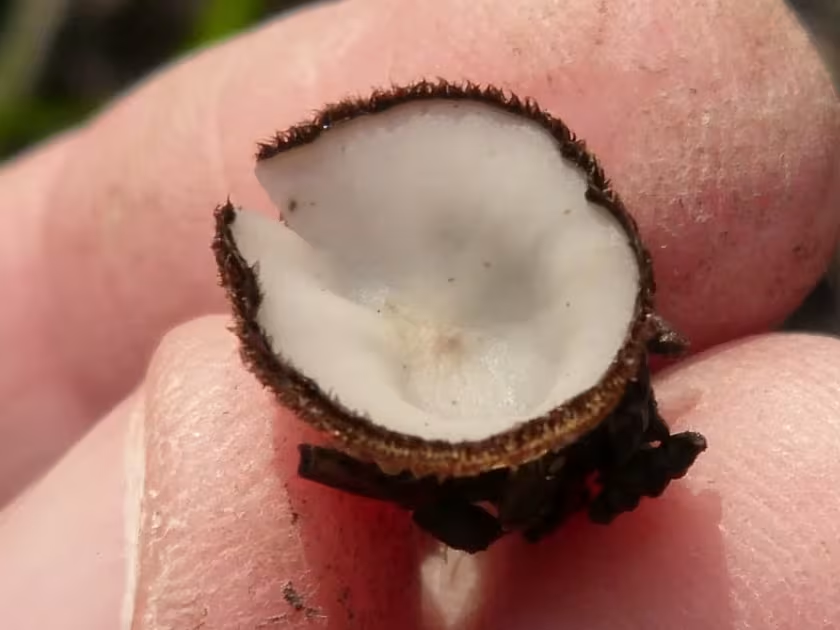
Description
Pathogen
The genus Trichophaea belongs to the family Pyronemataceae and typically includes saprotrophic fungi that thrive on organic debris, soil, and rotting wood. Under specific agricultural conditions, these fungi may behave as opportunistic pathogens for weakened crops.
The pathogen is characterized by the production of apothecia—small, cup-shaped fungal fruiting bodies often covered in hairs. These structures are the primary sources of spores, which can rapidly colonize moist substrates in greenhouses and nurseries.
The mycelium of Trichophaea colonizes the rhizosphere of plants. While primarily breaking down organic matter, it can invade root systems that have been compromised by environmental stress or physical damage, leading to reduced nutrient uptake.
Biological studies of the genus emphasize its role in the soil ecosystem. In high-density planting areas, the presence of these fungi indicates a potential imbalance in the soil biota and excessive organic content that needs management.
The fungus is highly resilient, capable of surviving in the soil as dormant spores for extended periods. This persistence makes it a recurring challenge in environments where the same soil or containers are used repeatedly without sterilization.
Conditions for development
Moisture is the primary driver of Trichophaea development. Stagnant water in the root zone and high ambient humidity create an ideal environment for spore germination and the subsequent formation of the fungal network.
Substrates with high concentrations of non-decomposed organic matter, such as peat or wood chips, significantly increase the risk of infestation. These materials provide the necessary carbon sources for the fungi to proliferate quickly.
Temperature plays a crucial role, with ranges between 18°C and 25°C being most favorable for the growth of vegetative mycelium. In controlled environments, poor airflow further exacerbates the problem by preventing surface drying.
Dense planting and low light intensity prevent proper evaporation of water from the soil surface. This creates a consistently humid micro-niche that supports the spread of fungal spores across adjacent pots or nursery beds.
Lack of sanitation in agricultural practices, including the use of contaminated tools and unsterilized greenhouse benches, facilitates the spread of the pathogen. Once introduced, the fungus can quickly dominate the surface of the soil.
Protection
Effective management begins with strict irrigation control to prevent waterlogging. Improving greenhouse ventilation and ensuring adequate light penetration can drastically reduce the humidity levels that the fungi depend upon.
Using sterilized, well-draining growing media is the most effective preventative measure. If a substrate is suspected of being contaminated, steam sterilization or chemical treatment is recommended before use.
Removal of infected plant material and the surrounding substrate is essential to limit the spread. The hygiene of tools must be maintained through regular disinfection with suitable agents to prevent cross-contamination.
Application of systemic fungicides or biological agents (such as Trichoderma-based products) can suppress the growth of Trichophaea. Integrated Pest Management (IPM) strategies should be prioritized to maintain soil balance.
- Ensure proper drainage in pots and planting beds.
- Regularly disinfect tools and greenhouse surfaces.
- Incorporate beneficial microorganisms to outcompete fungal pathogens.
Discussion
No discussions yet — be the first.