
Tricholosporosis
Tricholosporum
Description
Symptoms
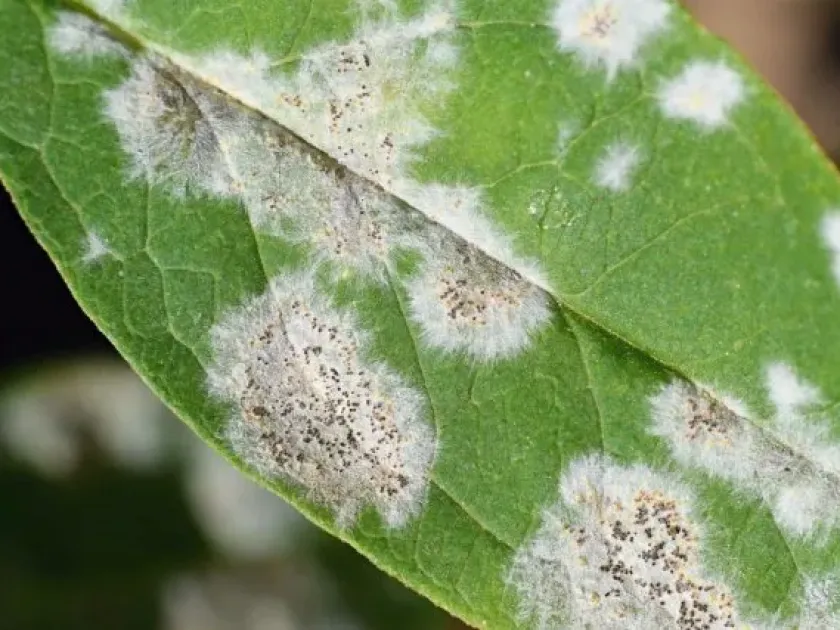
The initial signs of tricholosporosis typically appear as small chlorotic spots on leaves, which gradually expand and change color as the infection progresses.
As the disease advances, these spots develop into necrotic lesions, often resulting in tissue death, leaf curling, and severe distortion of the foliage.
In humid conditions, a fine fungal growth, which represents the sporulation stage of the pathogen, may become visible on the underside of the leaves, appearing as a greyish or whitish coating.
Severe infestations often lead to premature defoliation and the necrosis of stems and petioles, which significantly impairs the plant's ability to transport nutrients and water.
In later stages, the infection can spread to the fruit or seeds, reducing their quality, market value, and post-harvest shelf life due to rot and structural degradation.
Pathogen
Tricholosporosis is a fungal disease caused by members of the Tricholosporum genus. These fungi belong to the Basidiomycota phylum and are known for their specific parasitic activity on various plant species.
The life cycle of the pathogen involves the production of distinct spores, which facilitate the spread of the infection through air currents, water splashes, and mechanical transmission by farm equipment.
The fungus functions by secreting specialized hydrolytic enzymes that degrade the structural components of plant cell walls, allowing the mycelium to penetrate and colonize the host tissue effectively.
The pathogen is highly resilient, capable of surviving in soil debris and crop residues for extended periods, which makes crop hygiene a critical component of disease management.
Studies suggest that species within the Tricholosporum genus exhibit significant ecological adaptability, allowing them to thrive in diverse environments and attack plants under varying stress conditions.
Conditions for development
High relative humidity, typically exceeding 75 percent, is the primary driver for the rapid germination of Tricholosporum spores and subsequent colonization of host tissues.
Temperatures ranging from 18 to 24 degrees Celsius create an ideal thermal environment for the mycelial growth and development of the pathogen within the plant structures.
Poor aeration in dense crop stands creates a stagnant microclimate that traps moisture on the leaf surface, which is essential for the pathogen's infection process.
Overhead irrigation and frequent rainfall during critical growth stages provide the necessary moisture for the spread of spores from the soil and infected plant parts.
Nutritional imbalances, particularly high nitrogen application levels without adequate potassium or phosphorus, can weaken plant defenses and make them more susceptible to attack.
Why it matters
The economic harm caused by tricholosporosis is mainly attributed to significant yield losses resulting from reduced photosynthetic capacity and the death of vegetative tissue.
The disease negatively impacts the commercial quality of the produce, as infected plants often exhibit stunted growth, poor fruit formation, and general loss of vigor.
If left unmanaged, the pathogen can cause devastating epidemic outbreaks, potentially destroying substantial proportions of a crop within a single growing season.
Weakened plants are prone to secondary infections from other pathogens and pests, which can accelerate the decline of the crop and complicate recovery efforts.
The persistence of the pathogen in the soil means that subsequent seasons may also face infection risks if proper rotation and sanitation protocols are not strictly followed.
Protection
Effective management begins with rigorous crop rotation practices to break the disease cycle and reduce the concentration of resting spores in the field.
Sanitation is paramount, involving the removal and destruction of crop residues where the fungus is known to overwinter and remain viable.
Selecting disease-resistant varieties and using certified, pathogen-free seeds are the most sustainable strategies to mitigate the impact of tricholosporosis on farming systems.
- Application of appropriate systemic fungicides based on monitoring.
- Improved field drainage and ventilation to reduce leaf wetness duration.
- Balanced nutrient management to enhance plant vigor and resistance.
Integrated pest management (IPM) techniques, including regular field scouting and early detection, are essential to prevent the widespread dissemination of the fungus.
Discussion
No discussions yet — be the first.