
Tricholomopsis
Tricholomopsis
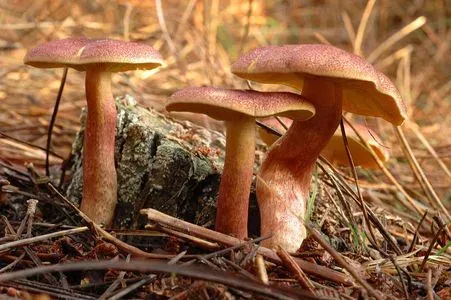
Description
Symptoms
The most recognizable sign is the emergence of colorful, mushroom-like fruiting bodies on the surface of the trunk, typically near the base or on exposed root systems.
Internally, the wood exhibits clear signs of rot, often characterized by changes in texture and color. The wood becomes brittle, soft, or spongy to the touch.
Stunted growth or early wilting of the crown is a common indicator that the tree's vascular system has been compromised by the fungal infection within the main trunk.
Cracks, exudations, and unusual bark patterns often point to deeper structural decay caused by the fungal activity underneath the protective outer layer.
During later stages of infection, trees may show signs of severe stress, including leaf yellowing or sudden death of large scaffold branches during the growing season.
Pathogen
The genus Tricholomopsis belongs to the family Tricholomataceae. These fungi are known for their wood-decaying properties, often acting as saprotrophs or facultative parasites on trees.
The pathogen spreads through the release of spores, which are carried by wind or insects. They target vulnerable areas such as bark wounds, frost cracks, or damaged roots.
Once inside the tree, the mycelium colonizes the wood, breaking down structural components like lignin and cellulose, which are essential for the tree's internal strength.
These fungi have a robust growth habit, allowing them to remain active within the tree for long periods, often producing visible fruiting bodies only when the wood is significantly decayed.
Understanding the life cycle of Tricholomopsis is crucial for foresters and gardeners, as the fungal network can persist in the environment for years, waiting for suitable conditions.
Conditions for development
High humidity and consistent moisture levels are primary environmental factors that promote the growth and spread of Tricholomopsis spores.
Trees that are already stressed due to drought, poor soil quality, or physical damage are significantly more susceptible to infection compared to healthy specimens.
Lack of proper airflow within dense plantations creates stagnant conditions that trap moisture, favoring the development of fungal pathogens on the lower parts of tree trunks.
Over-mature or aging trees often have reduced immune defenses, making them prime targets for colonization by these wood-rotting fungi.
Poor sanitation practices, such as leaving decaying stumps or fallen wood in the area, serve as a reservoir for the pathogen and increase the risk of cross-infection.
Why it matters
The primary concern is the loss of structural integrity of the tree, which can lead to windthrow, limb breakage, and sudden structural failure, posing safety risks.
Economic damage is caused by the loss of timber value and the need for costly removal of infected trees to protect surrounding healthy plants.
Infection cycles continue as long as diseased trees or stumps remain on the property, creating long-term management challenges for landowners and forest managers.
Trees infected with wood rot require increased maintenance and eventually represent a total loss, impacting the productivity and aesthetics of the landscape.
Beyond the tree itself, the pathogen can alter the soil biome and surrounding environment, making it harder for younger or more sensitive species to thrive in the area.
Protection
Rigorous sanitary management, including the early removal of infected trees and roots, is the most effective approach to limiting the spread of the fungus.
Tools used for pruning should be sterilized regularly to prevent the inadvertent transfer of spores from diseased wood to healthy tissues.
Protecting trees from mechanical damage and promptly treating any wounds with appropriate sealants can prevent spores from entering the tree.
Promoting overall tree health through adequate irrigation and balanced nutrition helps the tree sustain a stronger defense against potential fungal colonization.
- Regular site surveys for early detection.
- Removal and destruction of decaying woody debris.
- Application of antifungal sealants on pruning wounds.
- Soil health management to minimize tree stress.
Discussion
No discussions yet — be the first.