
Tricholoma viridilutescens
Tricholoma viridilutescens
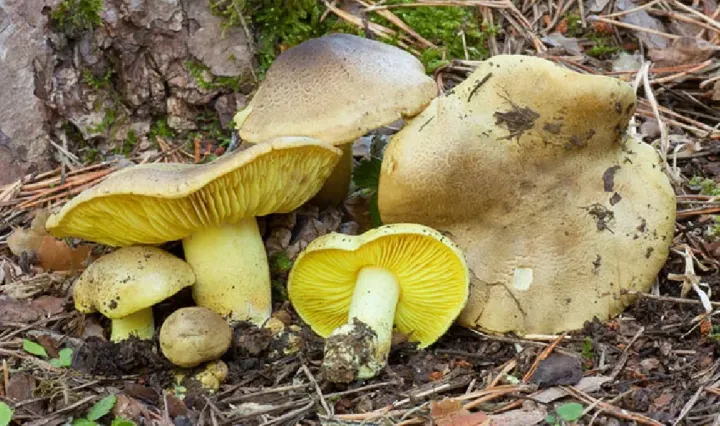
Description
Pathogen
Tricholoma viridilutescens is a basidiomycete fungus belonging to the Tricholomataceae family. It is strictly a mycorrhizal species, living in symbiosis with trees, and it is not a plant pathogen or a disease agent.
The fungus plays a beneficial role in forest ecosystems by forming symbiotic relationships with tree roots. It does not infect or damage agricultural crops, vegetables, or cereals in any capacity.
Mycelial growth occurs in the forest soil and leaf litter. It does not secrete enzymes that degrade the tissues of cultivated plants, nor does it produce toxins that could harm plant health.
Scientific evidence confirms that this organism has no pathological interactions with agricultural crops. Categorizing it as a plant disease is factually incorrect and misrepresents its biological function.
In forest management, the presence of this fungus is considered a sign of a healthy, biodiverse environment rather than an indicator of decay or disease within a plant community.
Conditions for development
The development of Tricholoma viridilutescens fruit bodies is highly dependent on specific environmental conditions typical of temperate forest climates. It requires consistent soil moisture and cooler temperatures during the autumn months.
The species prefers the acidic, humus-rich soil found under canopy cover in coniferous or mixed forests. It requires the presence of host trees to maintain its mycorrhizal survival strategy.
Agricultural practices, such as intensive tillage, lime application, and the use of synthetic fertilizers, are detrimental to this species. Consequently, it is absent from cultivated land and managed agricultural fields.
Spore dispersal is facilitated by wind currents within the forest understory. The survival of the fungus is contingent upon the preservation of organic soil layers that are not disturbed by human activity.
Environmental stability is crucial for the proliferation of this species. Changes in soil chemistry or excessive clearing of forest vegetation can lead to the disappearance of its mycelial network.
Discussion
No discussions yet — be the first.