
Tricholoma vaccinum
Tricholoma vaccinum
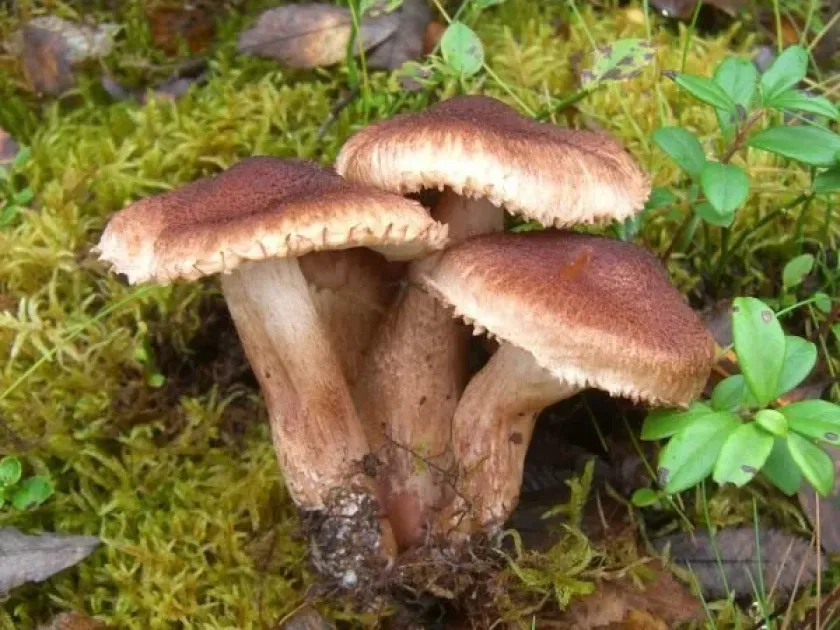
Description
Pathogen
Tricholoma vaccinum, commonly known as the scaly knight, is a basidiomycete fungus within the Tricholomataceae family. It is strictly a forest-dwelling species and is not considered a pathogen to agricultural crops.
The fungus forms an ectomycorrhizal relationship with coniferous trees, particularly spruce. This symbiotic bond facilitates the exchange of nutrients, where the fungus assists the tree in water and mineral uptake.
The life cycle involves the formation of fruiting bodies during the autumn months. Spores are released from the gills underneath the cap and disseminated by air currents to colonize suitable forest floor areas.
Morphologically, the fungus is characterized by a scaly, reddish-brown cap and a fibrous stem. As the mushroom matures, the stem may become hollow, and the scales on the cap become more distinct.
It is important to differentiate this species from other look-alike mushrooms in the genus Tricholoma, as some species in this family are highly prized, while others are bitter or toxic.
Conditions for development
Tricholoma vaccinum thrives in coniferous forests, especially those with dominant spruce stands. It prefers acid soils enriched with deep layers of pine or spruce needle litter.
Moderate temperatures ranging from 10 to 18 degrees Celsius, coupled with high atmospheric humidity, create the most favorable conditions for the emergence of fruiting bodies.
The moisture content of the forest floor is a critical factor. Heavy rainfall often triggers a mass appearance of these fungi, as the mycelium requires consistent hydration to produce sporocarps.
Human activities, such as excessive soil compaction or deforestation, negatively impact the development of the fungal mycelium, which depends on the root systems of healthy, living trees.
The species is well-adapted to the temperate climate and can survive winter dormancy in the soil as mycelial mats, preparing for the next growing season.
Why it matters
This fungus poses no threat to agricultural productivity. It does not infect field crops, vegetables, or commercial orchards, making it irrelevant to plant pathology control programs.
From a culinary perspective, Tricholoma vaccinum is generally considered inedible due to its intense bitter taste and tough texture. It is not harvested for commercial or personal consumption.
In forestry, the presence of this fungus is considered beneficial. It aids in the mycorrhizal networks that enhance the vitality of spruce forests, contributing to better forest regeneration.
There are no known instances where this fungus causes damage to forest infrastructure. Its activity is restricted to the subterranean and surface layers of the woodland floor.
Therefore, no protective measures or control strategies are necessary. It is a natural component of the forest biodiversity that serves an essential ecological function.
Discussion
No discussions yet — be the first.