
Tricholoma subglobisporum
Tricholoma subglobisporum
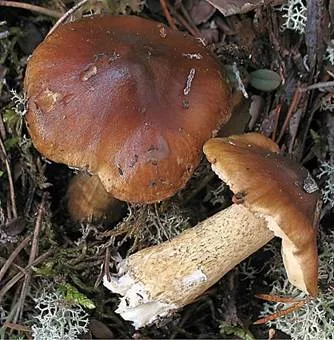
Description
Symptoms
The primary clinical sign of Tricholoma subglobisporum infection is the gradual wilting of the plant's aerial parts. Despite adequate irrigation, leaves or needles may exhibit signs of chlorosis or browning, signaling an internal nutrient uptake failure.
Upon physical examination of the root system, a gardener or pathologist will observe tissue softening and a discoloration of the roots, often shifting toward a dark brown or black shade. A whitish, sometimes dense mycelial mat or plaque is frequently visible on the root surface.
As the disease advances, the fine feeder roots, which are crucial for nutrient uptake, begin to die off completely. This loss of functionality leads to significant growth retardation, particularly in younger plants or nursery seedlings, making them look stunted compared to healthy counterparts.
In high humidity scenarios, the fungus may produce fruit bodies in the rhizosphere or near the base of the plant stem. The presence of these mushrooms is a definitive diagnostic indicator that the fungal colonization of the root zone is mature and highly active.
If left unchecked, the progressive deterioration of the root structure leads to the eventual collapse of the entire plant. Dry top conditions, or "dieback," often follow as the plant loses its hydraulic connection to the soil.
Pathogen
Tricholoma subglobisporum is a species of basidiomycete fungus that, under specific ecological conditions, exhibits pathogenic behavior towards the root systems of various plants. While typically classified as a saprotroph in forest ecosystems, it can act as an opportunistic pathogen when host immunity is compromised.
The organism is characterized by its subglobose spores, from which its name is derived. The vegetative part of the fungus, the mycelium, colonizes the soil environment, breaking down organic matter, yet it possesses the enzymatic machinery required to penetrate living root tissues under conditions of plant stress.
The resulting disease is generally categorized as a form of root rot. The fungus invades the cortex and parenchyma of roots, leading to the disintegration of tissues and severely hindering the plant's ability to absorb essential water and nutrients from the soil substrate.
Pathogen persistence in the soil is a key survival strategy, allowing the fungus to survive in the form of dormant hyphae or mycelial cords for extended periods. This makes eradication challenging once a site has become infested with the pathogen.
Biological activity of the fungus is highly dependent on environmental variables. Understanding these variables is critical for agronomists and foresters to develop targeted management strategies that limit the spread and impact of this root-attacking organism.
Conditions for development
The development of Tricholoma subglobisporum is strongly favored by high soil moisture levels. Periods of prolonged rainfall or poor field drainage create the anaerobic conditions that often precede the rapid expansion of the fungal mycelium.
Optimal temperatures for the metabolic processes of this pathogen range between 15°C and 22°C. These moderate temperatures allow for efficient colonization of both organic detritus and living root tissue, especially during spring and autumn cycles.
Mechanical damage to roots during agricultural activities serves as a primary entry point for the pathogen. Cultivation equipment that scrapes or cuts roots provides an immediate pathway for the fungus to establish infection in otherwise healthy tissues.
Acidic soil environments are known to facilitate the growth of various Tricholoma species. Regions where the pH balance is low often show higher frequencies of infections, particularly in coniferous nurseries and forested areas where the pathogen has a long-standing presence.
Environmental stress, including nutrient deficiencies or extreme climatic shifts, weakens the host's chemical defenses. This reduction in the plant's natural resistance makes it significantly more susceptible to opportunistic colonization by the pathogen.
Why it matters
The primary harm caused by this fungus is a reduction in overall plant vigor and health. In commercial nursery operations, it can lead to high mortality rates among seedlings, resulting in substantial financial losses for the grower.
Affected plants suffer from physiological stress, which makes them less resilient to secondary stressors such as pests or harsh winter frosts. The overall decline in plant metabolism affects photosynthesis, reducing yields and long-term production quality.
Managing an infested site is complex and costly. Often, the land must be quarantined or removed from production for several seasons to allow for soil microbial recovery and to ensure the pathogen's spore bank has been sufficiently depleted.
Toxic metabolites produced by the fungus as it breaks down root tissues can further poison the host. This systemic toxicity suppresses the plant’s internal physiological functions beyond simple mechanical damage, exacerbating the decline.
The potential for spread through contaminated tools and machinery poses a constant biosecurity risk. If strict sanitation protocols are not followed, a small local infection can quickly become a broader systemic issue across an entire field.
Protection
Crop rotation and spatial isolation are the most effective preventive measures. By avoiding the cultivation of susceptible hosts in areas with a history of fungal rot, the life cycle of the pathogen is effectively interrupted.
Soil pH management through liming can alter the substrate chemistry, making it less hospitable to Tricholoma species. Raising the pH to neutral levels can significantly inhibit the pathogen's ability to establish and spread.
Fungicidal interventions, particularly those involving systemic compounds, should be applied as soon as the first symptoms are detected. Applying these directly to the root zone ensures better contact with the active mycelium.
Biological control methods, such as the use of beneficial Trichoderma strains, are increasingly used to suppress pathogenic fungi. These bio-agents naturally compete with the pathogen for resources, effectively reducing its population density.
- Conduct regular monitoring of seedling root systems for early signs of decay.
- Practice strict sanitation by disinfecting tools between uses.
- Improve soil drainage to prevent stagnant water and anaerobic conditions.
- Carefully remove and destroy severely infected plants to prevent inoculum spread.
Discussion
No discussions yet — be the first.