
Tricholoma sejunctum
Tricholoma sejunctum
Description
Pathogen
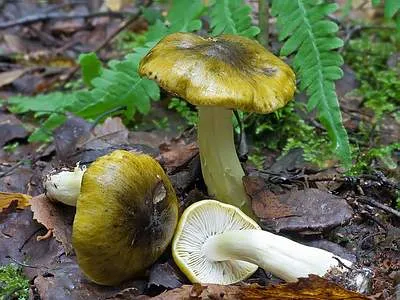
Tricholoma sejunctum, commonly known as the yellow-brown tricholoma, is a mushroom species in the Tricholomataceae family. It is strictly a forest fungus and is not classified as a plant disease or an agricultural pathogen.
From a biological perspective, this organism acts as a mycorrhizal symbiont or saprotroph in wild woodland habitats. It does not infect, parasitize, or damage any agricultural crops, horticultural plants, or fruit trees.
The fungus features a distinct olive-yellow cap with dark radial streaks and white gills. Its stalk is firm and typically white, often showing signs of yellowing when handled or as it matures.
In forest pathology, this mushroom is not a subject of control programs. It is a natural component of the forest floor, and its presence indicates a healthy mycorrhizal network associated with surrounding trees.
As it does not cause any symptoms of disease in crops, there is no need for chemical treatment or agrotechnical measures to prevent its occurrence in farming systems.
Conditions for development
The growth of Tricholoma sejunctum fruiting bodies is most prominent during the autumn season when temperatures are mild and soil moisture levels are relatively high.
This species is specifically adapted to forest environments, requiring symbiotic relationships with coniferous or deciduous trees to thrive within the soil's organic layers.
Optimal development depends on consistent humidity and the presence of leaf litter or pine needles, which provide the necessary carbon sources for the mycelium.
Unlike pathogenic fungi that seek out vulnerable hosts to colonize, Tricholoma sejunctum remains confined to its natural habitat where it plays an ecological role in nutrient cycling.
The dispersal of its spores is entirely dependent on natural environmental factors like wind and forest insects, which pose no risk to commercial agricultural plots or garden vegetables.
Discussion
No discussions yet — be the first.