
Tricholoma sciodes
Tricholoma sciodes
Description
Symptoms
The main visible sign of this species is the appearance of fruiting bodies during late summer and autumn.
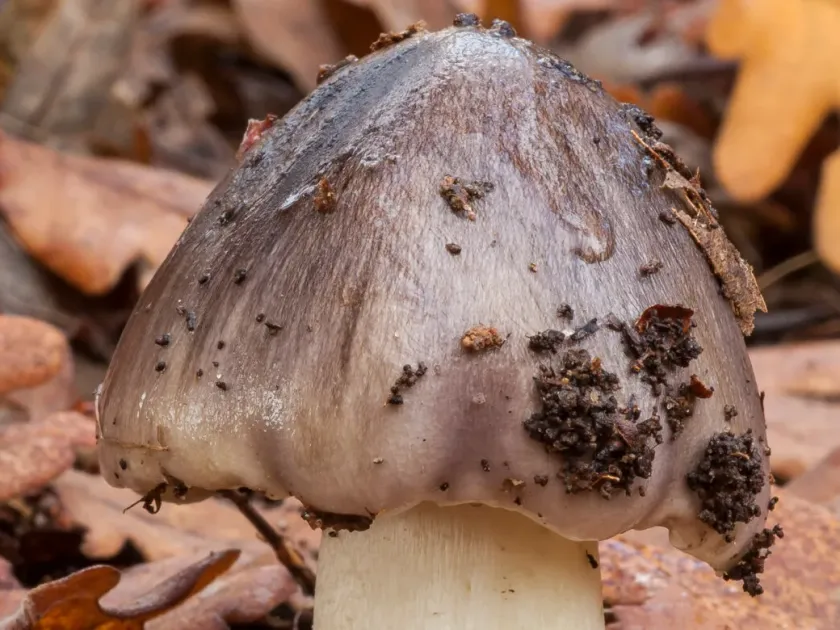
The cap is typically silver-gray with a distinct conical dark bump in the center, ranging from 3 to 8 cm in diameter.
The gills underneath are white or pale gray, sometimes showing blackish edges as the specimen matures.
The stipe is fibrous, dense, and typically lacks any ring or volva, which is a key trait for accurate field identification.
When tasted, the flesh is notably bitter and peppery, which serves as a biological defense mechanism against consumption by wildlife.
Pathogen
Tricholoma sciodes is a basidiomycete fungus belonging to the Tricholomataceae family. It is important to note that it is not a pathogen of agricultural crops.
Biologically, it acts as a saprotrophic or mycorrhizal organism, primarily associating with forest trees such as beech and spruce.
The mycelium develops within the soil litter layer, playing a natural role in the decomposition of organic matter in forest ecosystems.
Morphologically, it spreads through fine white hyphae that thrive in acidic, nutrient-rich forest soils.
It is classified as an inedible fungus due to its sharp taste and the presence of biochemical compounds that are irritating to humans.
Conditions for development
The growth of Tricholoma sciodes fruiting bodies is highly dependent on humidity levels and mild temperatures during the autumn months.
The fungus prefers the cool, shaded environments provided by dense deciduous or mixed forests with a deep layer of litter.
Spore dispersal occurs via wind currents, allowing the species to colonize suitable micro-habitats across forest floors.
Sufficient rainfall is essential for the activation of the mycelium, which often leads to flushes of fruiting bodies after rain.
Soil acidity plays a significant role in the prevalence of this species, as it thrives in environments unfavorable for many common garden plants.
Why it matters
This fungus causes no direct damage to crops or commercial plants, as it does not possess phytopathogenic properties.
The primary concern is the accidental ingestion of the fungus, which can lead to gastrointestinal distress in humans.
It is often mistaken for edible members of the Tricholoma genus, leading to potential risks for inexperienced mushroom collectors.
From an ecological standpoint, the fungus is beneficial as it contributes to the forest's nutrient cycling processes.
There is no economic harm associated with this species in an agricultural context, as it does not compete with cultivated crops.
Protection
No agricultural control measures are necessary, as this fungus does not affect farmland or horticultural productivity.
Prevention of ingestion incidents is the primary control strategy, focused on providing accurate identification guides for foragers.
Chemical control is strictly discouraged in natural forest habitats to maintain the integrity of the ecosystem's mycoflora.
Educational outreach programs remain the most effective tool to prevent the accidental consumption of inedible species.
Site management in public parks may involve the removal of fruiting bodies if they are situated in high-traffic areas frequented by children.
Discussion
No discussions yet — be the first.