
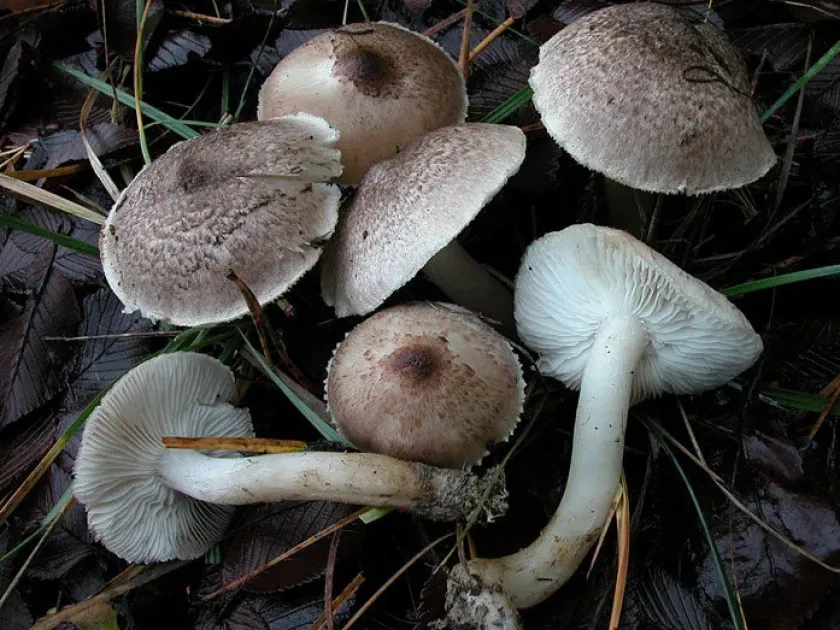
Scaly knight
Tricholoma scalpturatum
Description
Symptoms
Infected plants typically show symptoms of general decline, including chlorotic foliage, stunted growth, and premature leaf drop. The root system loses its vitality and becomes brittle, often turning brownish in color.
White mycelial mats may be visible on the root collar or beneath the soil surface in the root zone. In severe cases, thick mycelial cords may be found encircling the roots, obstructing nutrient uptake.
The emergence of scaly-capped mushrooms around the base of the plant during autumn is the most obvious sign of infection. This indicates that the fungal network has established a strong presence in the rhizospheric zone.
Plants may exhibit localized necrosis of the bark near the ground, providing entry points for secondary pathogens. Affected trees often show a significant reduction in annual shoot growth and decreased winter hardiness.
Loss of turgor in the leaves, especially during dry spells, is a strong indicator that the root system's hydraulic function has been compromised by the fungal infection.
Pathogen
Tricholoma scalpturatum, known as the scaly knight, is a basidiomycete fungus from the Tricholomataceae family. While primarily considered a saprotrophic species, it can exhibit opportunistic parasitic behavior, attacking the root systems of weakened trees and shrubs.
The fungus establishes ectomycorrhizal relationships with its host, but under conditions of stress—such as excessive moisture or physical damage—it shifts to a parasitic mode. This transition leads to the degradation of the plant's root tissues.
The mycelium colonizes the upper soil layers and organic matter, spreading through spores disseminated by wind, rain splash, or contaminated gardening tools. The pathogen is highly adaptable and can survive in various soil types.
Biologically, the fungus produces enzymes capable of breaking down complex organic structures, including woody tissues. This makes it particularly hazardous to perennial plants that are already struggling with environmental or physiological stress.
The life cycle is marked by a vegetative phase in the soil and a reproductive phase in autumn, when fruit bodies emerge. The presence of these mushrooms around the base of a plant is a diagnostic indicator of colonization within the root zone.
Conditions for development
Waterlogged soils with poor drainage are the primary driver of fungal development. The pathogen thrives in moist, cool environments where accumulated organic debris provides a ready-made substrate for mycelial growth.
Mechanical damage to roots during tillage or maintenance operations creates wounds that allow the fungus to infect the plant. Stress factors like drought, nutrient deficiency, or overcrowding increase susceptibility.
The lack of proper sanitation—leaving fallen leaves and dead wood under trees—creates an ideal environment for spore accumulation and overwintering. The fungus remains viable in the soil for years, waiting for suitable conditions.
Densely planted areas with limited airflow promote the cool, humid microclimate that Tricholoma scalpturatum prefers. Proper spacing and airflow are crucial to inhibiting the pathogen's spread.
Inconsistent temperatures, particularly rapid shifts during the spring, can weaken the plant's natural defense mechanisms, allowing the fungus to colonize the root system more effectively.
Why it matters
The main danger posed by this fungus is the gradual exhaustion of the host plant's energy reserves. As the root system is consumed or inhibited, the tree becomes physically unstable and prone to windthrow.
Infection significantly reduces the plant's ability to resist secondary pests and diseases. For fruit crops, this translates to reduced harvest quality and quantity, leading to economic losses for the grower.
In nurseries, an outbreak can lead to high seedling mortality rates, resulting in significant stock loss. The pathogen can persist in the soil, making it difficult to replant the same areas without soil remediation.
The aesthetic value of ornamental trees is severely compromised by the infection. Persistent fungal presence disrupts the soil microbiota, potentially hindering the growth of beneficial microorganisms.
In mature stands, the infection can be cumulative, weakening the stand over several years until a secondary pest outbreak triggers widespread mortality.
Protection
The foundation of control lies in good agronomic practice: ensure proper soil drainage and remove debris to limit the availability of substrates for the fungus. Regularly prune dead branches and treat wounds.
If infection is detected, apply systemic fungicides targeting soil-borne pathogens. Drench the root zone according to the product's guidelines to ensure sufficient penetration into the soil.
Infected plant tissues must be removed and destroyed by burning or disposal. Do not leave potentially infected wood in the field, as it serves as a long-term reservoir for the pathogen.
Improve plant vigor through targeted fertilization and the use of biostimulants. A healthy, well-nourished tree can better withstand the pressure of fungal colonization and limit the spread of the mycelium.
- Monitor soil pH and maintain optimal levels to discourage fungal growth.
- Disinfect garden tools used in affected areas to prevent cross-contamination.
- Introduce beneficial soil fungi, such as Trichoderma, to compete with Tricholoma species.
Discussion
No discussions yet — be the first.