
Soap knight
Tricholoma saponaceum
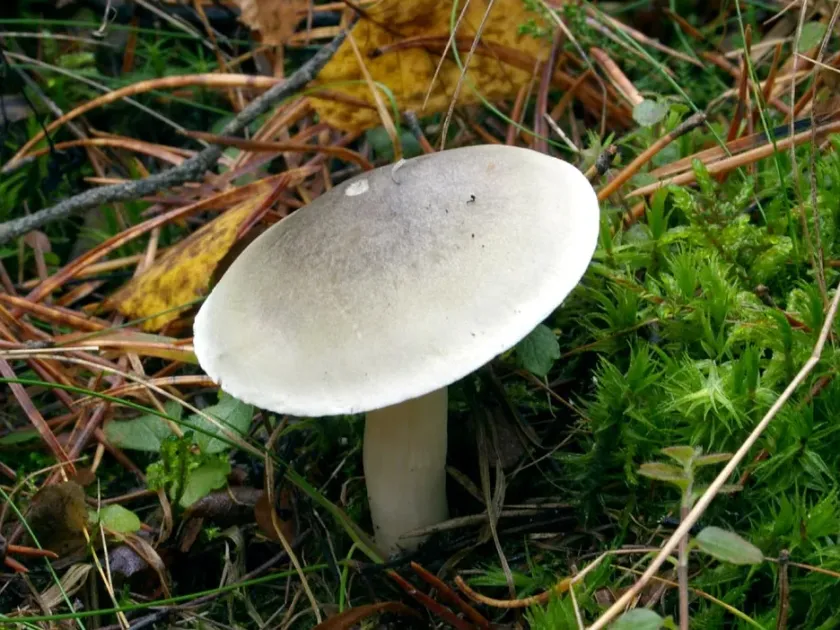
Description
Pathogen
The Soap knight (Tricholoma saponaceum) is a basidiomycete fungus belonging to the Tricholomataceae family. It is crucial to clarify that this fungus is not a plant pathogen and does not cause diseases in agricultural crops.
Biologically, this species is classified as a saprotrophic fungus or a mycorrhizal partner for various tree species within forest ecosystems.
The fungus does not infect the tissues of agricultural plants, vegetables, or field crops. Its life cycle is independent of cultivated plant species.
In agronomic terms, Tricholoma saponaceum is not considered a pest or a causative agent of plant diseases. It lacks the enzymatic pathways to compromise the health of agricultural vegetation.
Therefore, the Soap knight does not pose a threat to agricultural productivity and does not require any protective measures or fungicide treatments.
Conditions for development
The development of the Soap knight's fruit bodies typically occurs between late summer and autumn, often persisting until the first frosts.
The mycelium prefers acidic or neutral soils rich in organic matter, particularly in forest settings with significant leaf litter or pine needles.
Optimal environmental conditions include high humidity levels and mild temperatures. The fungus thrives in moist environments where organic decomposition is active.
In industrial agricultural systems, the species is rarely observed due to the lack of appropriate substrates and the regular soil cultivation practices that disturb fungal networks.
Dissemination occurs via spores, which are carried by the wind and settle in locations with suitable ecological niches for germination and colonization.
Discussion
No discussions yet — be the first.