
Tricholoma roseoacerbum
Tricholoma roseoacerbum
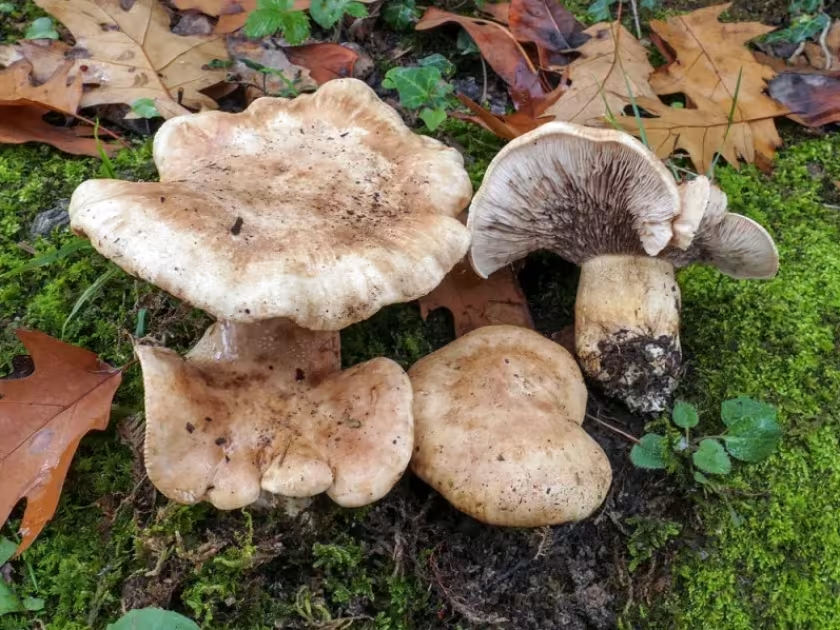
Description
Pathogen
Tricholoma roseoacerbum is a species of gilled mushroom in the Tricholomataceae family, known for its mycorrhizal interactions with forest trees.
The fungus develops a network of mycelium within the soil and leaf litter, which acts as the primary structure for nutrient exchange in its symbiotic relationship.
Its biological classification as an ectomycorrhizal fungus distinguishes it from necrotrophic pathogens, although it can still influence the soil environment.
Identification is based on the distinct pinkish hue of the cap and the sharp, acrid taste of the flesh, which serves as a diagnostic feature.
Understanding the life cycle of Tricholoma roseoacerbum is vital for forestry researchers managing soil health and tree health in nurseries.
Conditions for development
The development of fruit bodies typically occurs during autumn when soil moisture levels are consistently high and temperatures are moderate.
The fungus thrives in acidic, organic-rich soils, often found in coniferous or mixed forest stands where litter accumulation is substantial.
Humidity is the most critical factor for spore germination and the expansion of the underground mycelial network.
Soil structure, specifically porosity and air circulation, significantly influences the growth rate and distribution of the fungal colonies.
Anthropogenic disturbances, such as soil compaction, can inhibit the natural development of this species by affecting soil gas exchange.
Why it matters
In silviculture, dense colonization by the mycelium can compete with young seedlings for essential minerals and nutrients during their establishment phase.
Alterations in the decomposition rate of the forest floor, caused by the dominance of this fungus, may indirectly affect the nutrient cycling required for young plant growth.
The presence of the fungus can alter the aesthetic quality of nursery beds, which might be undesirable in ornamental plant production.
The sharp and acrid taste of the mushrooms indicates a chemical profile that could potentially be harmful to livestock grazing near forest edges.
While not a primary killer of mature trees, its impact on the rhizosphere requires monitoring to ensure healthy seedling development.
Protection
Cultural control methods involve maintaining proper drainage systems to prevent waterlogging, which often encourages fungal outbreaks.
Mechanical aeration of the topsoil layer can disrupt the mycelial network and prevent the formation of visible fruit bodies in managed areas.
Integrated pest management protocols suggest using bio-fungicides containing competitive microbes to suppress the growth of Tricholoma species.
Regular removal of excess forest debris and litter can minimize the substrates available for fungal colonization in commercial nursery environments.
Chemical intervention is strictly limited, as the priority is to preserve soil biodiversity while managing unwanted localized fungal growth.
Discussion
No discussions yet — be the first.