
Tricholoma robustum
Tricholoma robustum
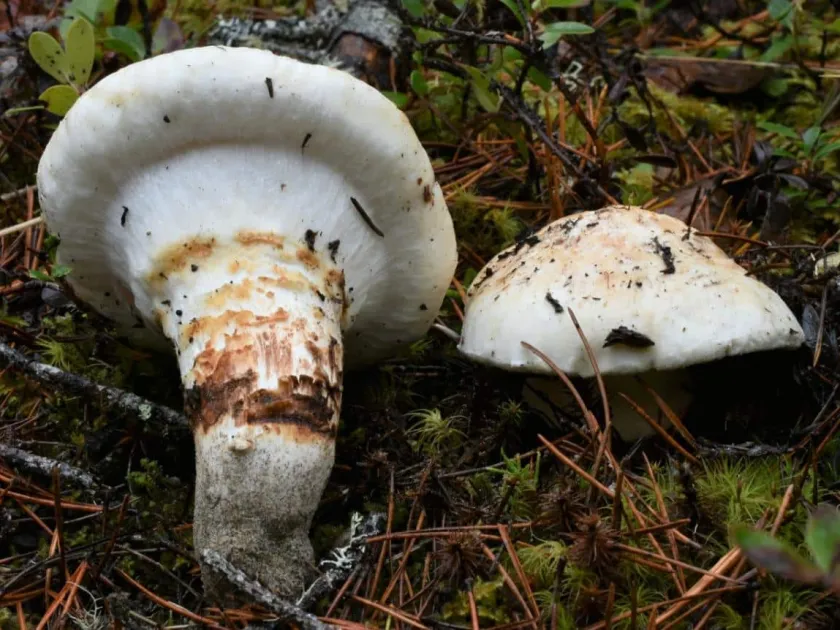
Description
Pathogen
Tricholoma robustum, commonly known as the robust knight, is a large fungus of the Tricholomataceae family. It is vital to state that this organism is not a plant pathogen and does not cause plant diseases.
Instead, this species functions as a beneficial mycorrhizal symbiont. It establishes a mutually advantageous relationship with the root systems of trees, particularly those within the Pinaceae family.
The fungus plays an essential ecological role by enhancing the nutrient uptake of host trees. It facilitates the absorption of water and minerals from the soil, which is crucial for the health of forests in nutrient-poor areas.
By forming ectomycorrhiza, Tricholoma robustum assists its host plant in surviving environmental stresses. There is no evidence of this species damaging living tissues or acting as a disease agent in agricultural or forestry practice.
The biological cycle of the fungus is strictly tied to the metabolic processes of the host tree. It receives sugars produced during photosynthesis, maintaining a delicate balance within the underground mycelial network.
Conditions for development
The optimal habitat for Tricholoma robustum is coniferous forests, specifically those dominated by pine trees. The fungus requires specific environmental conditions to maintain its symbiotic activity.
It prefers acidic, sandy soil structures that allow for good aeration of the mycelium. A consistent layer of organic matter, such as pine needles, acts as a protective blanket for the fungal network against temperature extremes.
The development of the fungus is highly sensitive to soil chemical composition. High levels of synthetic fertilizers or heavy fungicide application can severely disrupt the fragile mycorrhizal connections needed for its survival.
Climate conditions, particularly moisture levels in the late summer and autumn, dictate the intensity of sporulation. Cooler temperatures stimulate the growth of fruiting bodies, ensuring the species' reproduction in the forest floor.
Fragmentation of forest areas or soil compaction can lead to a decline in local populations. Protecting the integrity of the soil microbiome is essential to support the continued presence of this species in its natural environment.
Discussion
No discussions yet — be the first.