
Tricholoma ramentaceum
Tricholoma ramentaceum
Description
Symptoms
The most visible sign of its presence is the formation of mushroom fruiting bodies, typically appearing in late summer or during the autumn season.
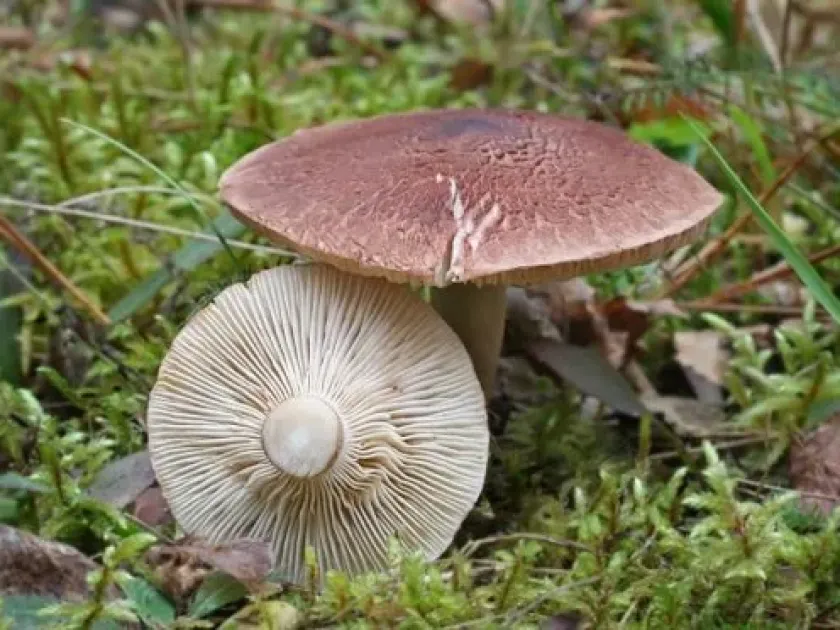
The cap of the mushroom is grey-brown and covered with distinctive dark, fine scales. It usually measures between 4 to 8 centimeters in diameter.
The gills underneath the cap are white or light grey. In younger stages, they are protected by a partial veil that leaves a noticeable ring on the stem.
The stem is robust and fibrous, maintaining a firm structure. The entire mushroom has a characteristic earthy, slightly musky smell typical of woodland fungi.
The mycelium network remains hidden beneath the surface until environmental triggers lead to the production of the visible reproductive organs.
Pathogen
Tricholoma ramentaceum, commonly known as the scaly knight, is a basidiomycete fungus belonging to the Tricholomataceae family. From an agronomic perspective, it is not a plant pathogen.
This fungus primarily acts as a saprotroph, decomposing organic matter like fallen leaves, needles, and woody debris found in forests and garden soils.
Unlike parasitic fungi, it does not possess haustoria to invade live plant cells. Its mycelium spreads through the soil, recycling nutrients from dead organic tissues.
The life cycle of this fungus relies on the presence of specific organic substrates. It does not initiate or spread diseases in vegetable, fruit, or cereal crops.
Mycologists classify it as a beneficial decomposer rather than an agricultural threat, playing a role in maintaining soil ecological balance.
Conditions for development
Tricholoma ramentaceum prefers moist environments, frequently appearing in or near wooded areas, parks, or gardens with dense shade.
High soil moisture is the primary requirement for the development of the mycelium and the subsequent formation of fruiting bodies.
The fungus thrives in acidic soils rich in organic matter. A layer of accumulated decaying leaves or wood chips creates an ideal growth medium.
Temperatures ranging from 15 to 22 degrees Celsius are optimal for its vegetative growth. Cooler autumn temperatures often trigger the fruiting phase.
Low light levels and lack of direct sun exposure help maintain the surface humidity necessary for the survival and expansion of the fungal colony.
Why it matters
There is no direct harm posed by this fungus to crops. It does not cause wilting, spotting, rot, or any structural damage to agricultural plants.
Minimal indirect effects might occur through nutrient competition within the soil, though this is rarely sufficient to impact crop yields.
In landscape gardening, the growth of these mushrooms on pristine lawns can be seen as a nuisance, affecting the visual uniformity of the turf.
The presence of this fungus is often an indicator of high soil moisture, which in itself can be a risk factor for root rot caused by other water-loving pathogens.
Overall, Tricholoma ramentaceum is considered an ecologically neutral or positive organism within the scope of domestic and commercial agriculture.
Protection
Since this fungus is not a plant pathogen, the use of fungicides is not recommended and would be ineffective and ecologically damaging.
Cultural practices are the most effective way to manage its presence, primarily focusing on cleaning up organic debris, fallen leaves, and rotting wood.
Improving soil drainage and aeration will naturally lower the moisture levels, making the environment less hospitable for fungal colonization.
If mushroom clusters appear on lawns, mechanical removal of the fruiting bodies and regular turf scarification can help limit their visibility.
Maintaining a balanced soil pH and preventing the excessive buildup of mulch near plant stems can also discourage the growth of this specific species.
Discussion
No discussions yet — be the first.