
Tricholoma pseudoacerbum
Tricholoma pseudoacerbum
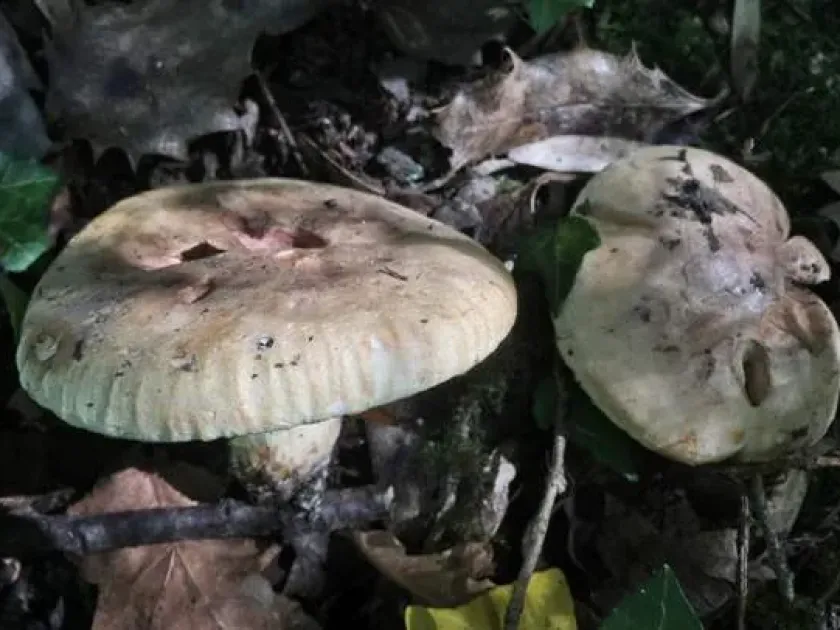
Description
Symptoms
The most prominent sign is the emergence of fungal fruiting bodies in the soil surrounding the host plant roots, typically occurring during late summer and autumn.
Plants affected by the fungus often show visible signs of distress, including premature yellowing (chlorosis) of leaves or needles, reflecting poor nutrient uptake.
Root system inspections may reveal necrosis or the presence of a white, hyphal mat covering the roots, which disrupts the normal function of the root hairs.
Growth stagnation is a common indicator, with infected plants failing to meet expected seasonal growth targets compared to healthy controls in the same field.
Severe infestations lead to systemic weakening, starting from the roots and manifesting as progressive dieback of the plant canopy.
Pathogen
Tricholoma pseudoacerbum is a fungal species belonging to the Tricholomataceae family. While typically associated with symbiotic forest relationships, in specific agricultural or nursery settings, it can act as a pathogen impacting root vitality.
The pathogen propagates through spores that spread via soil water movement, wind, or agricultural equipment. The mycelium invades the rhizosphere, competing with the host plant for essential water and mineral nutrients.
Its biological cycle is well-adapted to surviving within soil substrates, where it can persist for extended periods, waiting for suitable environmental conditions to trigger colonization.
The fungus functions as a facultative parasite, meaning it can survive on organic matter but becomes aggressive when it detects stressed or weakened root systems of host plants.
In silviculture and nursery management, it is classified as a biological risk that necessitates regular surveillance to maintain healthy seedlings and saplings.
Conditions for development
Development is primarily driven by high soil moisture levels and moderate temperatures, conditions often found in autumn or in poorly drained agricultural fields.
The fungus thrives in acidic to neutral soil environments rich in organic debris, which provides a secondary food source for the mycelial expansion.
Dense planting patterns reduce air circulation, keeping the humidity levels at the root collar high and promoting the germination of fungal spores.
Poor agricultural practices, such as failing to clear decaying leaf litter or using contaminated soil tools, significantly accelerate the spread of the pathogen.
Consistent rainfall or over-irrigation in poorly managed nursery plots creates an ideal microclimate for the pathogen to establish colonies.
Why it matters
The main harm caused is the reduction of biomass production and potential mortality of seedlings, leading to significant nursery stock losses.
By compromising the root system, the fungus makes plants susceptible to secondary bacterial and fungal pathogens, complicating the diagnosis and treatment.
Economic damage arises from the cost of replacing dead plant material and the added expense of soil sterilization treatments needed to clear the area.
Affected plants lose their aesthetic and market value, making them unsuitable for commercial sales or replanting in permanent landscapes.
The persistent nature of the fungus in the soil often prevents the immediate use of the plot for sensitive crops, leading to long-term land management issues.
Protection
Effective control strategies focus on integrated management, including the provision of proper drainage and site preparation before planting.
Sanitation practices are critical, including the removal of infected plant debris and the disinfection of tools used in high-risk areas.
Application of fungicides targeted at soil-borne pathogens can suppress mycelial growth during the high-risk periods identified through monitoring.
- Regular thinning to improve airflow and reduce soil humidity.
- Application of biological antagonists like Trichoderma species.
- Adjustment of soil pH to make conditions less favorable for the fungus.
Proactive monitoring of root health allows for the early removal of infected saplings, which is essential to prevent the pathogen from establishing a permanent hold in the soil.
Discussion
No discussions yet — be the first.