
Tricholoma portentosum
Tricholoma portentosum
Description
Symptoms
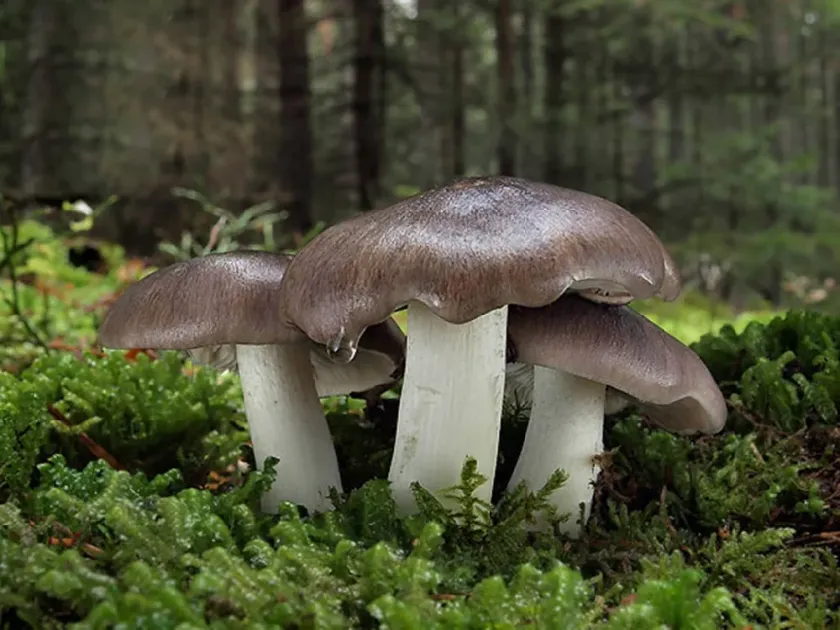
The cap typically ranges from 4 to 12 cm in diameter, starting convex and becoming flattened with a prominent umbo over time.
The surface is distinctively streaked with dark, radial fibrils on a greyish or brownish background, which is its primary identifying feature.
Gills are white to pale grey, fairly broad and spaced, and may develop a subtle yellowish hue as the specimen matures.
The stem is solid, firm, and cylindrical, measuring up to 10 cm in length, usually whitish or tinged with a delicate yellow color.
Its flesh is white and firm, characterized by a mild, mealy scent and a pleasant, non-bitter taste suitable for culinary use.
Pathogen
Tricholoma portentosum, commonly known as the knight mushroom, is a prized edible fungus belonging to the Tricholomataceae family.
It is important to note that this organism is not a plant pathogen and does not cause any diseases in crops, trees, or horticultural plants.
The fungus acts as an ectomycorrhizal partner, establishing a symbiotic relationship with coniferous trees, particularly pines.
Unlike parasitic fungi, it does not invade host tissues or cause rot; instead, it aids the trees by enhancing nutrient and water uptake.
In biological terms, Tricholoma portentosum is a beneficial inhabitant of forest ecosystems rather than a threat to vegetation.
Conditions for development
The species primarily inhabits coniferous forests, specifically sandy soils where it associates with pine trees.
It flourishes in areas with thick layers of needle litter, which helps maintain the cool and moist environment required for mycelium development.
The peak fruiting period occurs in late autumn, often persisting even after the first frost, making it a late-season mushroom.
Optimal growth conditions include high atmospheric humidity and relatively cool soil temperatures during September and October.
The distribution is widespread across Northern and Central Europe, often found in clusters due to its extensive underground mycelial network.
Why it matters
As Tricholoma portentosum is not a pathogenic organism, it causes no harm to plants and requires no agricultural pest control measures.
In fact, its role as a mycorrhizal symbiont contributes to the overall vigor and growth rate of its host trees in pine forests.
There are no economic losses associated with this species; rather, it is highly valued as a non-timber forest product.
The only risk related to this mushroom is the potential for misidentification by inexperienced pickers who might confuse it with toxic species.
Management of forest resources should focus on conservation rather than eradication, as this fungus supports sustainable ecosystem functions.
Discussion
No discussions yet — be the first.