
Tricholoma pessundatum
Tricholoma pessundatum
Description
Symptoms
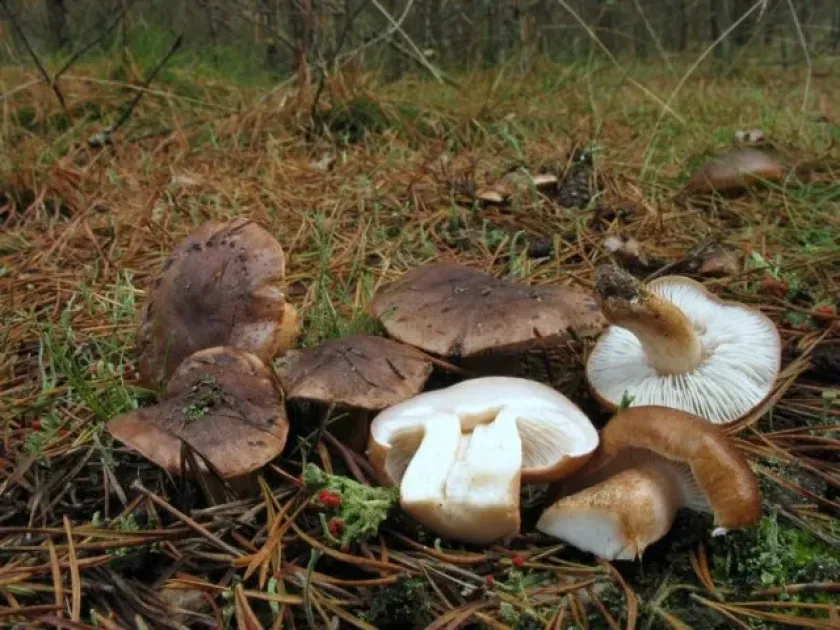
Tricholoma pessundatum, commonly known as the spotted knight, presents as a cluster of fruiting bodies found near the roots of coniferous trees. The cap, reaching 5–12 cm, displays a reddish-brown hue, often marked with darker, mottled spots that provide its common name.
The gills are initially white but develop distinct rusty-brown spots as the mushroom matures or is handled. The stem is solid and cylindrical, typically lighter in color than the cap, providing a reliable identification characteristic for field study.
The flesh is firm and white, retaining its color when sliced, but it emits a characteristic mealy odor. Identifying these mushrooms requires careful observation of the spots on the cap and gills to distinguish them from edible species.
The mycelium resides in the forest litter, forming extensive networks that can cover wide areas around host trees. Its presence is often signaled by the formation of fairy rings in pine or spruce stands.
Root systems associated with this fungus may show altered mycorrhizal structures, which can affect the nutrient uptake efficiency of the host plant under specific environmental conditions.
Pathogen
Tricholoma pessundatum is a basidiomycetous fungus within the Tricholomataceae family. It exists as an ectomycorrhizal organism, maintaining a symbiotic relationship with specific tree species, particularly conifers.
The fungus reproduces through spores, which are released from the gills and dispersed by wind or water. The spore print is white, which is a standard feature for the Tricholoma genus.
The fungus spends the majority of its life cycle as a soil-based mycelium. This subterranean network collects nutrients and water, occasionally producing fruiting bodies when climatic conditions are conducive.
As a mycorrhizal partner, it engages in carbohydrate exchange with the host tree. While generally beneficial in nature, in managed environments, it can become an indicator of specific soil imbalances.
The fungus produces secondary metabolites that are toxic to humans and animals. This chemical defense prevents predation of the fruiting body, ensuring the successful completion of the reproductive cycle.
Conditions for development
Fruiting bodies of T. pessundatum typically emerge during the cool, moist months of autumn. Temperatures ranging from 8°C to 15°C are optimal for the development of the mushrooms.
The fungus favors acidic, sandy soils common in coniferous forests. A deep layer of conifer litter serves as the primary substrate for mycelial growth and nutrient accumulation.
Heavy rainfall is a crucial trigger for the emergence of fruiting bodies. Consistent soil moisture following dry spells often leads to synchronized mass appearances of the fungus.
Well-lit edges of coniferous woods provide the temperature and humidity balance necessary for stable spore production. Shade levels affect the duration of the fruiting phase significantly.
Alterations in soil chemistry, specifically shifts towards acidity, can enhance the competitive edge of this species, allowing it to colonize new areas within a forest or plantation.
Why it matters
The primary harm is the toxicity of the fruiting bodies. Ingestion leads to acute gastrointestinal distress, posing a significant risk to humans and domestic pets if accidentally consumed.
In ornamental garden settings, aggressive mycelial growth can compete with other beneficial soil fungi. This competition can disrupt the natural balance of the rhizosphere, potentially weakening sensitive plants.
The fungus can act as a bio-indicator of poor soil health or disrupted microflora. Its dominance often correlates with decreased biodiversity in the soil ecosystem, impacting tree resilience.
Risks include confusion with edible mushrooms, necessitating careful management in public areas or areas accessible to mushroom foragers. Prevention of accidental intake is a top priority.
Prolonged occupation of the root zone by the mycelium can, in some instances, reduce the air-holding capacity of the soil, potentially affecting the long-term vigor of host conifers.
Protection
Sanitation is the most effective management strategy. Regularly clearing excess conifer needle litter around tree bases reduces the available substrate for mycelial expansion.
Mechanical removal of fruiting bodies before sporulation is essential to minimize the spread of spores. Collected mushrooms should be disposed of off-site to prevent recolonization.
Maintaining proper tree health through irrigation and soil aeration helps plants resist the negative effects of any undesirable mycorrhizal fungal colonization.
Avoid applying heavy chemical fungicides, as they often do more damage to the beneficial soil organisms than to the target fungus. Focus instead on physical habitat modification.
Public education regarding the identification and toxicity of T. pessundatum is vital. Informing garden visitors reduces the likelihood of accidental poisoning and promotes a safer environment.
Discussion
No discussions yet — be the first.