
Tricholoma pardinum
Tricholoma pardinum
Description
Symptoms
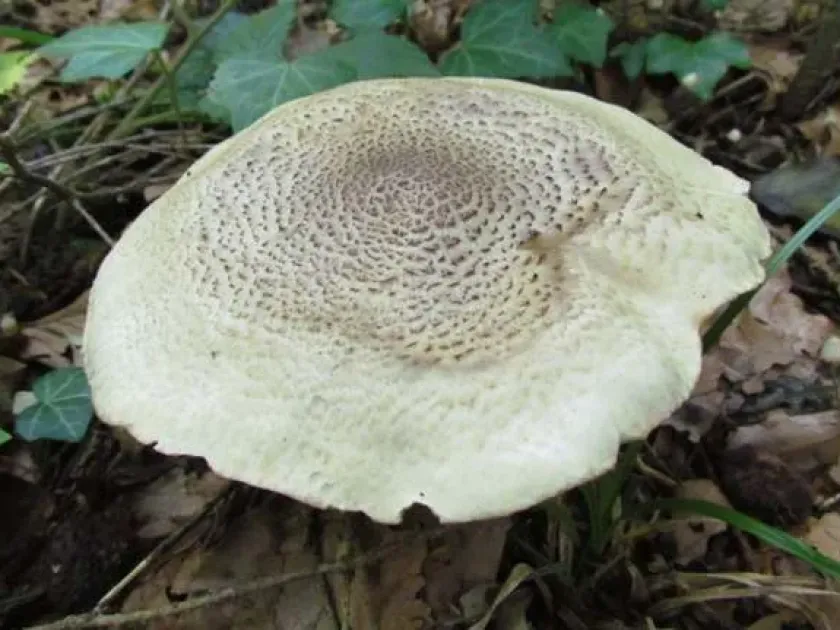
The fruit body of Tricholoma pardinum features a robust cap, typically 5–12 cm in diameter, covered with dark grey or brownish scales on a lighter background, resembling a tiger's pattern.
The gills are white to creamy, often exhibiting droplets of moisture at the edges in young specimens, and are attached to the stem with a slight notch.
The stem is thick, firm, and white, lacking the ring often found in other species, which is a crucial visual clue for mushroom collectors.
The flesh is firm and white with a mild, mealy odor, which unfortunately can mislead people into incorrectly identifying it as an edible species.
The spore print is white, which is characteristic of the Tricholoma genus and can be verified through laboratory examination by professionals.
Pathogen
Tricholoma pardinum, commonly known as the tiger knight or leopard knight, is a poisonous basidiomycete fungus in the Tricholomataceae family. It is strictly a forest-dwelling fungus and not a plant pathogen.
The fungus produces heat-stable toxins that cause severe gastrointestinal distress in humans. Biologically, it is a mycorrhizal fungus that forms symbiotic relationships with trees, supporting forest health.
The mycelium resides in the soil and leaf litter. It does not infect agricultural crops, trees, or horticultural plants, meaning it poses no risk to commercial agriculture.
Since this fungus is not a pathogen for plants, there is no agronomic or pathological significance to its presence in fields, orchards, or vegetable gardens.
The species is strictly restricted to wild ecosystems and lacks the biological capacity to parasitize crops or degrade agricultural yield.
Conditions for development
Tricholoma pardinum typically grows in calcareous soils, favoring regions with limestone bedrock and alkaline or neutral soil pH levels.
The optimal time for fruit body development occurs during late summer and autumn, provided there is consistent rainfall and high soil moisture.
This species is highly dependent on cool to moderate temperatures, which trigger the formation of sporocarps in the forest environment.
The fungus is usually found in coniferous or mixed forests, forming mycorrhizal associations with specific trees like spruce, pine, or beech.
Spore dispersal is naturally occurring via wind currents; there is no human-regulated intervention required, as it does not affect crop production cycles.
Why it matters
The primary danger of this mushroom is its high toxicity when ingested. It causes acute gastroenteritis, manifesting as severe vomiting, diarrhea, and intense abdominal pain.
Medical intervention is necessary if ingestion is suspected, as symptoms can appear relatively quickly and lead to significant dehydration and systemic distress.
Because the toxins are heat-stable, normal cooking methods such as boiling or frying do not neutralize the poisonous compounds, making it unsafe under any circumstances.
In terms of agricultural impact, Tricholoma pardinum is completely harmless. It does not consume nutrients intended for crops nor does it harbor diseases.
There are no economic losses associated with this mushroom in the agricultural sector, as it is strictly a non-interfering wild organism.
Protection
Prevention of poisoning relies entirely on consumer education and proper mushroom identification practices among wild mushroom foragers.
Public awareness programs regarding the visual differences between toxic species and edible varieties are the most effective way to minimize risk.
No agricultural control methods (fungicides, soil treatments, or tillage) are necessary, as the organism has no negative impact on plants.
If encountered in natural areas, it should be treated as a component of the ecosystem and left undisturbed.
- Training in mycological identification for foragers
- Strict adherence to the "do not pick if unsure" rule
- Public health alerts regarding toxic mushroom species
- Emergency medical guidance for accidental ingestion
Discussion
No discussions yet — be the first.