
Tricholoma orirubens
Tricholoma orirubens
Description
Pathogen
Tricholoma orirubens is a species of mycorrhizal fungus in the Tricholomataceae family. It is strictly a forest fungus and not a plant disease.
This species establishes a beneficial symbiotic relationship with the root systems of various deciduous trees, particularly oaks and beeches.
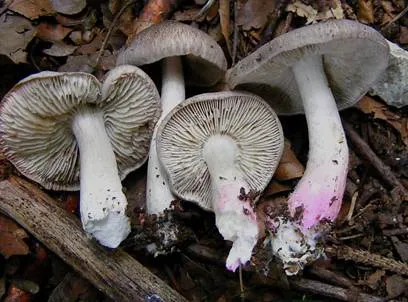
The mushroom is characterized by a greyish-brown, squamulose cap and gills that develop a distinctive reddish or pinkish tint as the specimen matures.
As a mycorrhizal partner, the fungus assists trees in the uptake of water and essential mineral nutrients from the soil, enhancing tree resilience.
It plays a vital ecological role in forest floor decomposition and nutrient cycling, functioning in complete harmony with its host plants.
Conditions for development
The species prefers lime-rich, well-drained soil environments found in mature broad-leaved forest stands where appropriate tree hosts are present.
The development of fruit bodies is generally triggered by the cooler, damp conditions typical of the autumn season in temperate climatic zones.
It is sensitive to soil acidity levels, showing a clear preference for alkaline substrates where it can efficiently maintain its mycorrhizal networks.
Proper moisture levels in the leaf litter are essential to protect the underground mycelium from desiccation and sudden shifts in temperature.
Successful colonisation of the site requires the presence of established trees, as the species relies on the tree's photosynthates to survive and produce mushrooms.
Discussion
No discussions yet — be the first.