
Tricholoma nigromarginatum
Tricholoma nigromarginatum
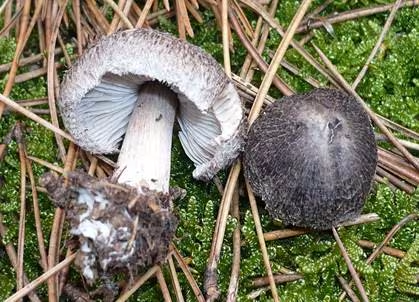
Description
Pathogen
Tricholoma nigromarginatum is a fungal pathogen classified within the Basidiomycota phylum. In agricultural settings, it functions primarily as a soil-inhabiting fungus that can transition into a facultative parasite when host plant defenses are compromised.
The pathogen is mainly concentrated in the rhizosphere, where it colonizes root systems. Its mycelium utilizes enzymatic activity to break down plant cell walls, extracting nutrients and disrupting the plant's vascular transport system.
It is morphologically distinguished by the dark margin on the edges of its fruit bodies, a feature that facilitates identification in the field during the sporulation phase. These spores serve as the primary units of dissemination.
The fungus can survive adverse environmental conditions by forming resilient mycelial structures in the soil, often persisting for several seasons until favorable conditions reappear.
Its biological cycle is intricately linked to the presence of organic matter in the soil, which the fungus uses as a nutritional base before actively seeking live root tissues to infect.
Conditions for development
The development of Tricholoma nigromarginatum is highly dependent on high soil moisture content, especially during periods of prolonged precipitation or poor drainage. Optimal temperatures for mycelial growth typically range from 15°C to 22°C.
Acidic soil environments significantly accelerate the spread of the fungus, as they often correlate with a diminished presence of beneficial antagonistic microbes that could naturally suppress the pathogen.
Poor soil aeration, caused by compaction or heavy clay textures, creates anaerobic pockets that favor the colonization of the fungus within the rhizosphere, damaging the sensitive root hairs.
Dense plant spacing restricts air movement at the ground level, maintaining high humidity levels that are essential for the survival and germination of fungal spores at the soil surface.
Improper soil management, such as incorporating uncomposted organic matter into the beds, provides a ready food source for the pathogen, fueling its population growth before it attacks crop roots.
Why it matters
The primary damage caused by this pathogen is the degradation of the root system, which leads to systemic nutrient deficiency. Infected plants display symptoms of stunting and yellowing, often mistaken for drought or drought-induced stress.
As the infection progresses, the root collar may begin to rot, leading to wilting and eventual death of the plant. This damage is particularly devastating for seedlings and young transplants, which lack the root mass to recover.
In addition to physical root damage, the fungus secretes metabolites that can be toxic to plant tissues, further weakening the host and reducing the overall vitality of the crop.
Infection often serves as a precursor to secondary colonization by opportunistic bacteria and other fungi, which complicate the disease picture and significantly accelerate the collapse of the plant.
The impact on commercial yield is substantial, as infected plants produce lower quality produce or may die before reaching maturity, resulting in significant economic losses for growers.
Protection
Effective management begins with robust crop rotation practices, which help starve the pathogen by removing suitable host plants from the area for an extended period, typically two to three years.
Soil amendment strategies, such as liming, are crucial to adjust soil pH levels. Neutralizing acidity helps to create an environment that is less conducive to the proliferation of Tricholoma nigromarginatum.
The application of biological control agents, specifically those utilizing beneficial fungi like Trichoderma harzianum, can effectively compete with the pathogen for resources and space in the rhizosphere.
Good water management is essential; implementing irrigation systems that prevent soil saturation and ensuring well-drained beds can prevent the conditions necessary for fungal development.
In cases of confirmed infection, removing affected plants along with the surrounding root zone soil and treating the area with specific fungicides helps to contain the outbreak and prevent further spread.
Discussion
No discussions yet — be the first.