
Tricholoma luridum
Tricholoma luridum
Description
Symptoms
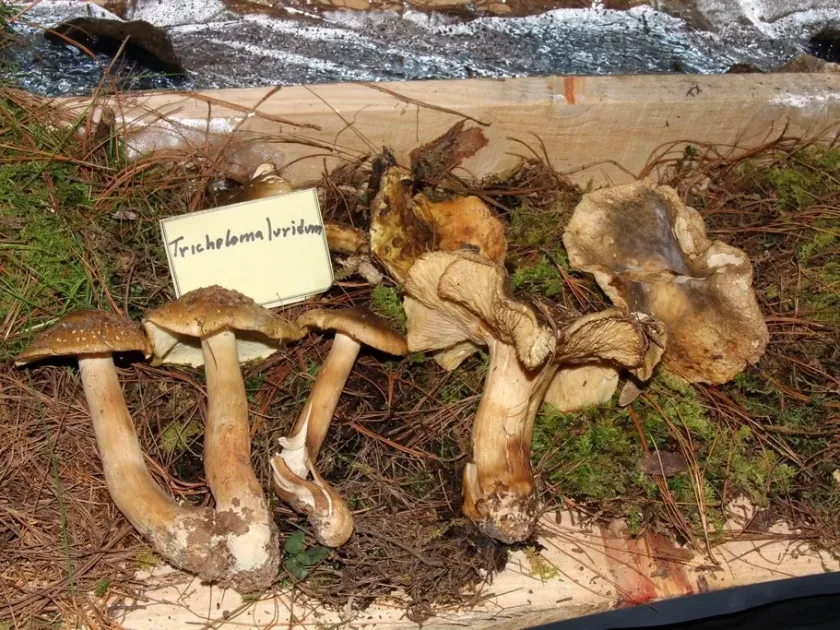
The cap of Tricholoma luridum typically reaches 5 to 12 cm in diameter and presents a characteristic dirty-brown or yellowish-brown coloration.
The surface of the cap is often viscid or slimy, especially when the moisture levels in the forest habitat are elevated.
The gills are adnate to the stem, often crowded, and may develop brownish spots as the fruiting body matures.
The stem is solid and cylindrical, colored similarly to or lighter than the cap, often showing a fibrous texture.
The flesh has a distinct mealy odor and lacks a bitter or peppery taste, which is a key morphological feature for field identification.
Pathogen
Tricholoma luridum is not a plant disease or a pathogen of agricultural crops. It is classified as a mycorrhizal fungus belonging to the Tricholomataceae family.
The fungus exists in a symbiotic relationship with tree roots in forest ecosystems, providing nutrients in exchange for carbohydrates.
It does not possess the biological mechanisms to invade or harm vascular plants, making it a harmless component of the forest environment.
From an agronomical perspective, it is not listed as a threat to field, vegetable, or fruit crops, and there is no record of it causing plant pathologies.
Its life cycle revolves entirely around the forest floor, acting as a decomposer and a beneficial symbiont for pine and spruce trees.
Conditions for development
This species thrives in coniferous and mixed forests, where it establishes its mycorrhizal network with specific tree hosts.
Optimal development of fruiting bodies occurs during late summer and autumn, coinciding with periods of high rainfall and cool weather.
The fungus prefers acidic soil types rich in organic matter and decaying needles, which provide the necessary nutrients for its mycelium.
Adequate moisture is essential for the activation of the mycelium and the subsequent emergence of mushrooms from the soil.
The species avoids direct sunlight and open agricultural areas, as it requires the stable, protected microclimate of the forest floor.
Why it matters
Tricholoma luridum causes no damage to crops and does not act as a pest or disease agent in any agricultural system.
There is no economic damage associated with this fungus, as it does not compete with crops for nutrients or inhibit their growth.
On the contrary, it provides ecological benefits by cycling nutrients and supporting the health of the host trees in forest systems.
The species does not produce toxins that could harm plant development, nor does it interfere with soil fertility in a negative way.
It remains outside the scope of agricultural pest management programs, as it poses zero risk to farming operations.
Protection
No protection or control measures are required for Tricholoma luridum because it is not an object of plant health concern.
The use of fungicides to eliminate this species is contraindicated, as it would destroy the beneficial mycorrhizal network essential for forest health.
Agricultural management plans should focus on identified pathogens rather than naturally occurring fungal species.
Maintaining a natural, healthy environment in forest stands is the best practice for supporting the fungal diversity that includes this species.
There is no need for preventative spraying or soil treatments, as the presence of this mushroom is a sign of a functioning ecosystem.
Discussion
No discussions yet — be the first.