
Tricholoma lascivum
Tricholoma lascivum
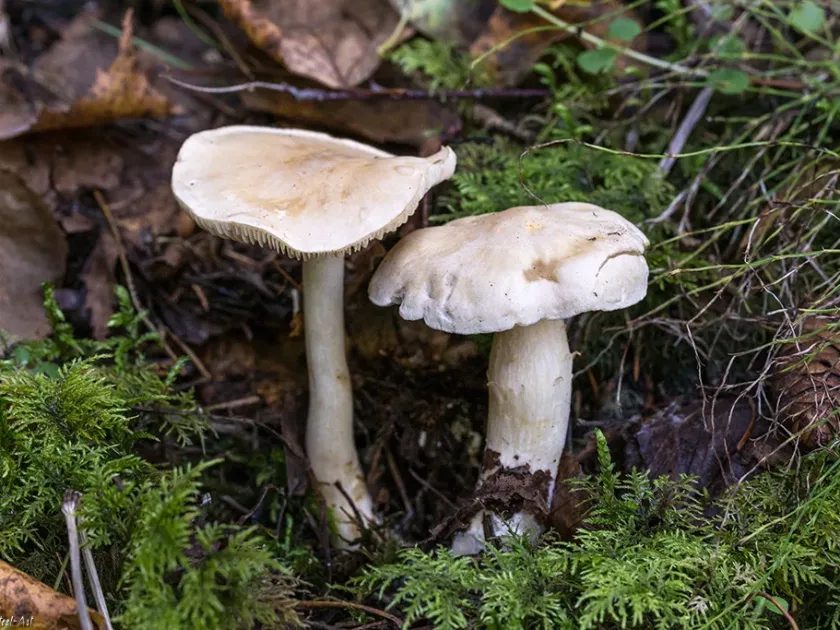
Description
Symptoms
The most visible sign of the fungus is the appearance of fruit bodies near the base of trees, typically from late summer through autumn. These mushrooms have a pale, grayish-brown cap and a firm, dense texture.
Signs of infestation on the host plant include gradual yellowing of foliage and a noticeable decline in annual growth rates. Trees often exhibit a thinning canopy, which is a symptom of reduced nutrient and water absorption by the compromised root system.
When soil is excavated near the affected tree, white or pale rhizomorphic strands of mycelium may be observed covering the fine root tips. This root colonization leads to tissue degradation and premature root death.
A distinctive, pungent odor emanating from the soil surface during humid weather is a strong diagnostic indicator of the presence of this fungus. Darker, discolored patches on the bark or root collar can also signal infection.
In advanced cases, the host plant may display symptoms of wilting during periods of drought, as the damaged root system is unable to meet the transpiration demands of the tree.
Pathogen
Tricholoma lascivum is a basidiomycete fungus belonging to the Tricholomataceae family. While it is primarily recognized as a woodland fungus, in agricultural and forestry contexts, it is identified as a facultative parasite that interacts with the root systems of trees and woody plants.
The pathogen is characterized by its intense and unpleasant odor, often described as chemical or coal-tar-like. It functions as a mycorrhizal associate that can shift into a pathogenic state when the host plant is stressed or the surrounding environment becomes unfavorable.
The mycelium grows within the soil and leaf litter layer, establishing contact with tree roots. Spores are primarily wind-dispersed, allowing the fungus to colonize new areas, especially in damp, shaded environments with accumulated organic matter.
The fungus is highly adaptable, capable of surviving in various soil types including heavy clays. Its persistence is linked to its ability to utilize both dead organic material and living roots as a nutrient source.
Biological research indicates that Tricholoma lascivum thrives in soils where the natural microbial balance has been disrupted, allowing it to compete successfully against beneficial soil organisms.
Conditions for development
Tricholoma lascivum thrives in conditions characterized by high humidity and moderate temperatures, typically between +15 and +22 degrees Celsius. Shaded areas with heavy leaf accumulation provide an ideal microclimate for fungal development.
Soil waterlogging and poor aeration are critical factors that promote the growth of the fungus. It prefers acidic soil conditions where its mycelial network can expand more rapidly than in neutral or alkaline environments.
The presence of decomposing woody debris serves as an initial food source, allowing the fungus to build a significant biomass before invading the roots of living trees.
Environmental stress factors, such as soil compaction from heavy machinery or damage to the tree's bark, significantly lower the tree's immunity, making it more susceptible to root invasion.
The fungus is frequently found in areas where forest management practices have led to the degradation of topsoil and the loss of natural competitors, enabling the pathogen to colonize the ecological niche.
Why it matters
The primary harm caused by Tricholoma lascivum is the impairment of the host's ability to absorb water and nutrients. This leads to weakened vitality, making the plant more vulnerable to secondary pests and drought stress.
Economic damage is most significant in nurseries, where young saplings can be killed or stunted, leading to loss of stock. In mature forests, it contributes to the gradual decline of tree health and reduction in timber quality.
The fungus alters the soil chemistry in the root zone, potentially inhibiting the growth of beneficial mycorrhizal fungi that are essential for tree health and resilience.
In ornamental gardens and parks, the presence of these fungi is considered an aesthetic nuisance and a sign of poor tree health, reducing the value of the landscape.
Left unchecked, the fungus can form patches of dying trees, gradually spreading to encompass larger areas and threatening the overall ecological stability of the affected site.
Protection
Preventive measures focus on maintaining site hygiene. Removing excess leaf litter and dead woody material near tree bases effectively starves the fungus of its primary nutrient sources.
Improving soil drainage and aeration is vital to prevent the conditions that favor fungal growth. Managing the soil pH through periodic liming can create an environment less conducive to the expansion of Tricholoma lascivum.
Chemical control involving copper-based fungicides or systemic treatments for soil-borne pathogens can be used in high-value plantations or nursery settings to arrest early-stage infections.
Biological control methods are highly recommended, specifically the application of Trichoderma-based products. These beneficial fungi act as antagonists, successfully competing for space and nutrients to suppress the pathogen.
- Sanitary cleanup of the root zone
- Enhancement of soil drainage
- Regular monitoring for symptoms
- Application of biological fungicides
- Optimization of tree nutrition to boost immunity
Discussion
No discussions yet — be the first.