
Tricholoma immundum
Tricholoma immundum
Description
Symptoms
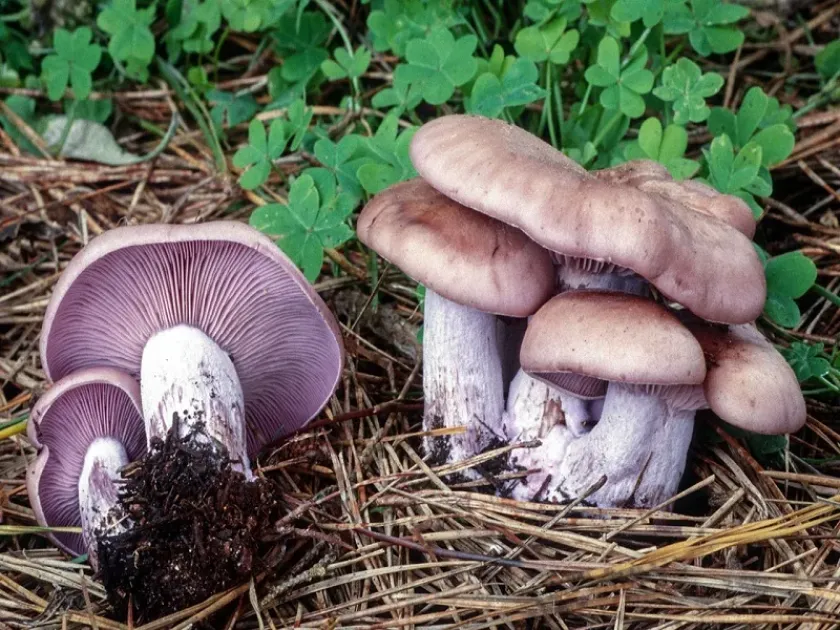
The cap of Tricholoma immundum typically displays a grayish-brown or dirty ash-like color, which is a key identifying feature. The cap surface can range from smooth to slightly fibrillose.
The gills are adnate or emarginate, appearing whitish in young specimens and transitioning to a grey or pale yellowish hue as the fungus reaches maturity.
A distinctive, often unpleasant or musty odor is associated with the flesh of this mushroom, which is why it is often avoided by mushroom enthusiasts.
The stipe (stem) is usually solid, fibrous, and colored similarly to the cap, though it often appears lighter at the base.
White spore prints are characteristic of this species. Its morphology is consistent with the standard structural traits of the Tricholoma genus.
Pathogen
Tricholoma immundum is a species of mushroom in the Tricholomataceae family. It is strictly a saprotrophic organism and does not function as a plant pathogen, meaning it does not cause diseases in agricultural crops.
This fungus acts as a decomposer within forest ecosystems. By breaking down organic matter and leaf litter, it contributes to soil fertility rather than harming vegetation.
In terms of agricultural pathology, this species is not recognized as a disease agent. It lacks the biological mechanisms necessary to parasitize or infect the tissues of living plants.
Misclassification of this species as a plant disease is a common error; it plays an essential role in the nutrient cycle of forest soils but remains entirely harmless to crop cultivation.
The fungus is a natural component of woodland microflora, functioning as an essential part of the decomposition process that maintains soil health in natural environments.
Conditions for development
Tricholoma immundum thrives in humus-rich forest soils. It is most commonly found in coniferous or mixed forests where high moisture levels are maintained.
Growth of the mycelium and the appearance of fruit bodies are highly dependent on the autumn rainy season and mild temperatures typical of September and October.
This fungus requires shade and protection from direct sunlight, preferring the stable humidity found deep within the leaf litter of forest floors.
It is rarely found outside of established forested areas, as it relies on the specific chemical environment created by decomposing wood and organic residues.
The species distribution is linked to temperate climate zones where forests provide the constant soil moisture and acidity levels necessary for its development.
Why it matters
There is no evidence of Tricholoma immundum causing any harm to commercial crops. It does not possess any phytotoxic properties and does not compete with plants for resources.
The fungus has no economic impact on agriculture. It remains confined to natural habitats and does not encroach upon fields or gardens used for crop production.
There is no need for protective measures, fungicides, or any other interventions against this fungus, as it does not pose a threat to plant health.
The only safety consideration is that this mushroom is non-edible. It should not be gathered for culinary purposes, as it may cause gastrointestinal discomfort if ingested.
Farmers and agronomists do not need to monitor for this species, as it is a beneficial part of the forest cycle and entirely inert in a farming context.
Discussion
No discussions yet — be the first.