
Tricholoma fulvum
Tricholoma fulvum
Description
Symptoms
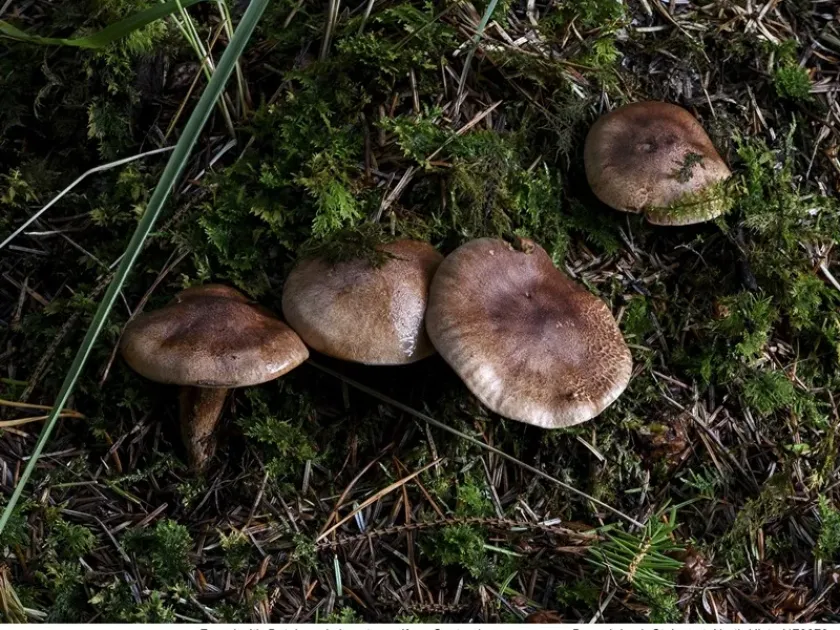
The fruit bodies of Tricholoma fulvum feature a cap measuring 4–10 cm in diameter, typically displaying vivid yellow-brown to reddish-brown hues.
The cap surface is often viscid or sticky during moist weather, which is a significant diagnostic feature for identifying the species in the field.
The gills underneath the cap are initially yellow but develop distinctive brownish spots as the mushroom matures, which is a key identifying trait.
The stipe is robust and fibrous, sharing the same color as the cap or appearing slightly paler, usually with a dark brown base.
The flesh is whitish or pale yellow, does not change color when bruised, and possesses a characteristic mealy odor with a noticeably bitter taste.
Pathogen
Tricholoma fulvum, commonly known as the yellow-brown knight, is a gilled mushroom in the Tricholomataceae family and is not a plant pathogen.
It does not cause diseases in agricultural or horticultural crops; rather, it plays a vital role as a mycorrhizal partner in forest ecosystems.
The biological cycle of this fungus is strictly limited to symbiotic relationships with the root systems of coniferous trees, particularly pine and spruce.
In terms of plant pathology, this organism is considered beneficial or neutral, as it does not infect or damage living plant tissues.
Therefore, it is not classified as a disease, and there is no infectious threat to agricultural fields, nurseries, or orchards associated with this species.
Conditions for development
This fungus thrives in acidic soils, making it a common inhabitant of coniferous forest zones where it associates with pine and spruce species.
Development of the fruiting bodies is favored by temperate climate conditions and high soil moisture levels, usually occurring from late summer through autumn.
The mycelium resides in the forest floor, where it processes organic matter and forms symbiotic ectomycorrhizal structures with tree roots.
Favorable growth periods are typically triggered by significant rainfall, which ensures the necessary humidity for the development of the hymenophore.
Environmental stability within the forest canopy is essential for the long-term survival of this species and its ecological contribution to the soil.
Why it matters
Tricholoma fulvum does not inflict any damage on agricultural crops, trees, or vegetation, as it lacks parasitic activity against host plants.
Its ecological impact is purely positive, as it improves soil structure and nutrient uptake for the associated trees via mycorrhizal networks.
Potential "harm" is limited to human consumption risks if misidentified, as the bitter taste makes it an undesirable culinary choice for foragers.
The fungus does not release any phytotoxic compounds that would inhibit the growth of surrounding vegetation or interfere with land management.
Since it causes no pathology to plants, it holds no economic relevance as a pest or a causative agent of plant diseases in modern farming.
Protection
No control measures are required for Tricholoma fulvum because it is not a threat to agricultural productivity or plant health.
The application of fungicides or other chemical treatments is entirely unnecessary and ecologically unjustified in the context of this fungal species.
Land management strategies should focus on maintaining natural forest health rather than attempting to eradicate harmless native fungal species.
Public awareness regarding mushroom identification is the only recommended approach to prevent accidental ingestion by foraging enthusiasts.
Efforts should be directed toward preserving the ecological balance of the forest, where this mushroom contributes to nutrient cycling and soil vitality.
Discussion
No discussions yet — be the first.