
Tricholoma focale
Tricholoma focale
Description
Symptoms
Signs of Tricholoma focale presence are visible only through the appearance of its fruit bodies in autumnal pine-dominant forests.
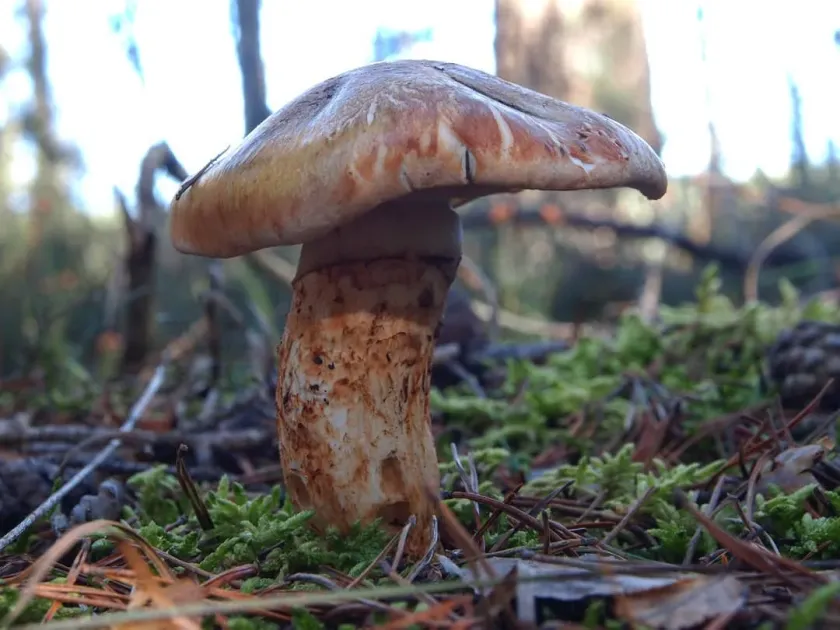
The mushroom features a distinct reddish-brown cap and often a ring on the stipe, serving as a reliable identification marker for mycologists.
There are no visible symptoms such as root rot, lesions, or wilting associated with the presence of this fungus on host trees.
The roots of conifers associated with Tricholoma focale remain healthy and show no evidence of parasitic behavior from the fungus.
The presence of these mushrooms indicates a well-functioning mycorrhizal network rather than an infection or disease outbreak.
Pathogen
Tricholoma focale, commonly known as the rusty knight or the cat-and-mouse fungus, is not a plant pathogen and does not cause diseases in crops.
This fungus functions as an ectomycorrhizal partner, establishing a symbiotic relationship with the root systems of various coniferous trees, particularly pine species.
The biological nature of this fungus involves the exchange of nutrients, where the fungus provides minerals and water to the tree while receiving carbohydrates.
Scientific literature confirms that this fungus is a fundamental component of forest soil health and is not linked to any necrotic or pathogenic plant damage.
Therefore, it should not be categorized alongside harmful microorganisms that cause agricultural or forestry diseases.
Conditions for development
Tricholoma focale requires specific forest conditions, flourishing in sandy soils with a significant layer of pine needles.
The development of the fungal body is highly dependent on moderate autumn rainfall and stable soil temperature profiles.
This species is strictly associated with pine trees, suggesting that the health of the trees directly impacts the survival of the fungus.
Environmental stability, including the absence of intensive soil cultivation or chemical pollution, supports the growth of this mycorrhizal species.
The fungus thrives in temperate forest zones where seasonal changes provide the necessary triggers for sporulation and fruiting.
Why it matters
There is no economic harm associated with Tricholoma focale, as it provides clear ecological benefits to its host plants.
It enhances the nutrient uptake efficiency of pine trees, which is particularly beneficial in nutrient-poor sandy forest soils.
The fungus is completely safe for both wild forests and managed timber plantations, posing no threat to the growth or health of the trees.
No agricultural damage is attributed to this species, distinguishing it from pathogenic soil fungi like Armillaria or Heterobasidion.
Its role as a symbiont contributes to the overall resilience of the pine forest ecosystem against environmental stressors.
Protection
No control or protection measures are required or recommended, as the fungus is not a pathogen for forest crops.
Forest management practices should prioritize preserving the mycorrhizal network, which is essential for the long-term vitality of the trees.
The application of fungicides in areas where Tricholoma focale grows should be strictly avoided to prevent the destruction of beneficial symbiotic microflora.
Preventive strategies should be focused on identifying real forest pathogens rather than targeting beneficial species like this one.
Monitoring efforts should support the conservation of natural fungal diversity to promote sustainable forestry practices.
Discussion
No discussions yet — be the first.