
Tricholoma equestre
Tricholoma equestre
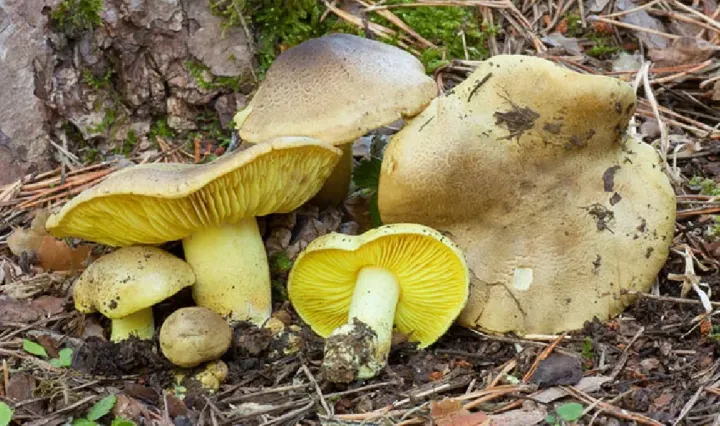
Description
Pathogen
Tricholoma equestre, commonly known as the man on horseback or green knight, is a mushroom belonging to the family Tricholomataceae. It is essential to clarify that this fungus is not a plant disease or a pathogen.
Instead, this organism functions as a mycorrhizal fungus, establishing mutualistic relationships with the root systems of various tree species, particularly conifers. It plays a crucial role in nutrient cycling within forest ecosystems.
The fungus is biologically distinct from phytopathogenic species. Its mycelium lives in harmony with host plants, receiving carbohydrates in exchange for mineral nutrients and water absorbed from the soil.
In terms of agricultural impact, Tricholoma equestre poses no threat to crops, vegetables, or ornamental plants. It lacks the enzymatic pathways required to degrade living plant tissue, distinguishing it from parasitic fungi.
Mycology researchers emphasize that this species is an integral component of the soil microflora in sandy forest environments. It contributes to overall forest health and soil structure stability.
Conditions for development
The development of Tricholoma equestre is highly dependent on specific ecological conditions, primarily occurring in sandy soils within pine or mixed forests. It requires a stable symbiotic relationship with host trees.
The fungus thrives during the autumn months when moisture levels in the forest litter are optimal. Consistent rainfall and moderate temperatures are the primary environmental drivers for the emergence of its fruiting bodies.
It prefers well-drained, acidic soil environments. The presence of decaying organic matter and appropriate mycorrhizal partners is necessary for the long-term survival of the fungal colonies.
Spore dispersal is facilitated by wind, allowing the species to colonize suitable habitats across diverse forest regions. The growth cycle is synchronized with the physiological activity of its forest hosts.
Unlike crop pathogens, this fungus is not adapted to human-disturbed landscapes or cultivated fields. It is strictly limited to ecosystems that support its specific symbiotic requirements and soil preferences.
Discussion
No discussions yet — be the first.