
Colossus knight
Tricholoma colossus
Description
Symptoms
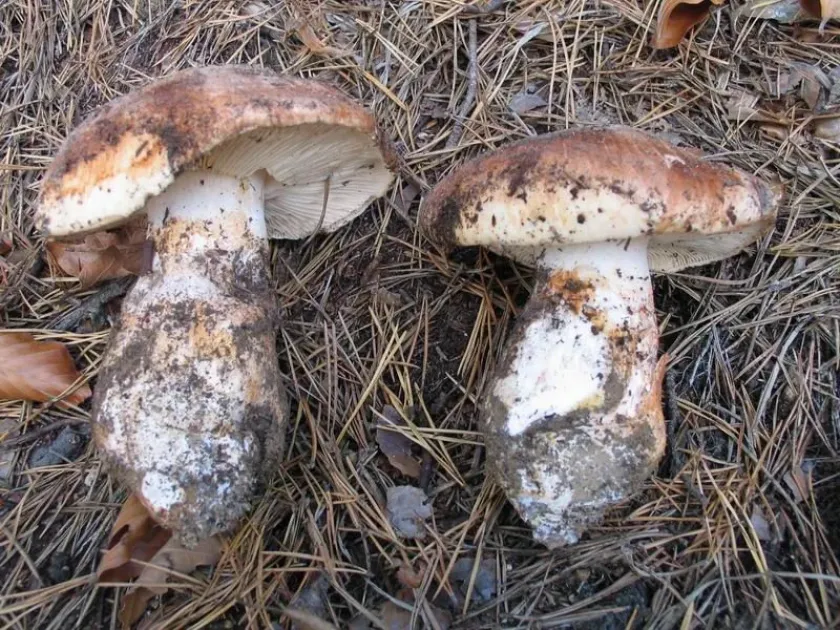
The most visible sign of Tricholoma colossus is the emergence of large, reddish-brown fruiting bodies around the bases of pine trees. These are distinct and often grow in localized clusters in the forest litter.
In seedlings, infection presents as a decline in growth rate and chlorosis of the needles, which take on a pale, yellowish appearance. This indicates a disruption in the plant's nutritional uptake process.
Careful inspection of the root system often reveals a thick, white fungal mantle covering the fine root tips. This mycelial layer physically blocks the absorption of water and mineral nutrients from the surrounding soil.
Premature needle drop in the lower crown is another common symptom. This occurs as the tree experiences systemic stress from the impaired root function and begins to prioritize essential life-sustaining processes.
Patchy development within forest nurseries is a clear indicator of the pathogen's presence. As the mycelium spreads underground, it creates distinct areas where tree growth is significantly inhibited compared to healthy zones.
Pathogen
Tricholoma colossus, commonly known as the Colossus knight, is a basidiomycete fungus within the Tricholomataceae family. While primarily recognized as a mycorrhizal species, in silviculture, it can behave as an opportunistic pathogen that impacts forest tree health.
The fungus develops an extensive network of mycelium that colonizes the soil humus layer. In its biological cycle, it forms symbiotic relationships with the roots of conifers, primarily pines, which can sometimes turn into parasitic interactions under stress.
The fruiting bodies of the fungus are large and fleshy, appearing during the autumn months. These structures are the primary source of spores that contribute to the colonization of new areas within forest nurseries and plantations.
The fungus is mainly associated with coniferous species, particularly those in the Pinus genus. Its ability to colonize the root zone allows it to intercept essential nutrients that would otherwise be absorbed by the tree.
Modern forestry research classifies this organism as a significant factor in soil health, requiring careful monitoring to distinguish between its beneficial role as a symbiont and its potentially harmful impact on young seedlings.
Conditions for development
The development of the Colossus knight is heavily dependent on soil moisture and composition. It thrives in well-drained sandy or loamy soils that have a high content of organic forest litter.
Temperature plays a crucial role in its lifecycle, with the optimal range for vegetative growth being between +12 and +20 degrees Celsius. High humidity levels after heavy rainfall promote rapid colonization of the soil.
The fungus prefers moderately acidic soil environments, which are typical for coniferous ecosystems. In such environments, the fungus can maintain a high metabolic rate and extend its mycelial networks effectively.
Densely planted nurseries with limited air circulation provide ideal conditions for the pathogen to accumulate. The lack of light and airflow in the understory allows the fungus to remain active throughout the season.
Prolonged cool and wet periods during autumn serve as the primary trigger for the production of fruiting bodies. This cycle confirms that the fungal population has reached a density sufficient to threaten local vegetation.
Why it matters
The main danger posed by this fungus is the suppression of root development in young conifers, which severely affects the establishment of forest plantations. This leads to increased mortality during the critical first years after planting.
By competing for nutrients and water, the fungus stunts the growth of saplings, reducing the overall quality of the timber output. Such trees are also more susceptible to environmental stressors like drought and frost.
The damage to the root system can weaken the overall tree physiology, making it highly attractive to secondary pests and bark beetles. This creates a combined biological risk that can devastate entire forest stands.
Economic losses in the forestry sector are significant due to the need for replanting and the increased maintenance costs in infected nurseries. The loss of productive potential in juvenile trees impacts long-term yield.
In addition, the accumulation of fungal metabolites in the soil can temporarily shift the microbial balance, making it difficult for the tree to utilize natural soil nutrients efficiently for several growth cycles.
Protection
Effective management begins with proper site preparation, including ensuring adequate drainage and maintaining optimal soil aeration. Reducing excess moisture in the root zone is key to discouraging fungal growth.
Strict sanitation measures in nurseries are essential. Infected seedlings should be promptly removed along with their root balls to prevent the further spread of mycelium to adjacent healthy plants.
The use of biological fungicides, specifically those containing Trichoderma strains, can help outcompete the pathogen. This provides a sustainable and environmentally friendly approach to maintaining soil health.
Monitoring for the presence of fruiting bodies allows foresters to identify and isolate infected zones early. Early intervention prevents the pathogen from becoming established as a long-term problem in the plantation.
Implementing crop rotation or alternating coniferous species with deciduous trees can disrupt the fungal life cycle. This practice reduces the risk of the pathogen finding a host and helps maintain a balanced soil microbiome.
Discussion
No discussions yet — be the first.