
Tricholoma arvernense
Tricholoma arvernense
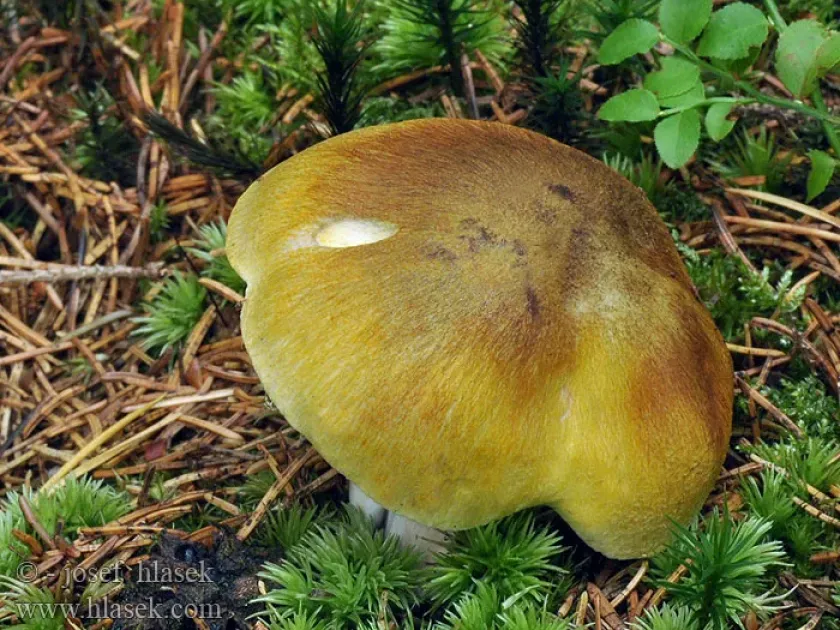
Description
Pathogen
Tricholoma arvernense is a basidiomycete fungus belonging to the Tricholomataceae family. It is strictly defined not as a plant pathogen, but as a beneficial mycorrhizal symbiont.
The fungus develops a complex interaction with the root systems of coniferous trees, creating ectomycorrhizae. This relationship facilitates the absorption of minerals from the soil by the trees.
Unlike parasitic fungi that degrade tissue, this species creates a Hartig net around the roots, exchanging carbohydrates from the host tree for soil nutrients.
The fruiting bodies emerge above ground during favorable autumn conditions, dispersing spores that travel through the forest via air currents.
Mycology researchers emphasize the stability and importance of this species in maintaining nutrient cycles within acidic forest soil environments.
Conditions for development
The development of Tricholoma arvernense is inextricably linked to the presence of healthy coniferous host trees. The fungus requires these living roots to survive.
High soil and air humidity are essential for the production of sporocarps. Temperature ranges between 10°C and 18°C provide the optimal climate for maturation.
Soil pH plays a decisive role in the establishment of mycelium. The species is highly adapted to acidic environments typical of coniferous forest biomes.
Organic layer accumulation in the forest provides thermal and moisture protection for the underground mycelial network during off-seasons.
Human activities, such as excessive trampling or chemical runoff, can disrupt the mycorrhizal balance, causing the population of this fungus to decline.
Why it matters
There is no economic harm caused by Tricholoma arvernense to forest stands. As a mycorrhizal partner, it actually aids in the overall vitality of the forest.
It does not cause root rot, necrosis, or wood decay. It is a fundamental component of the forest biodiversity that supports ecosystem resilience.
Misidentifying this fungus as a plant pathogen can lead to unnecessary and potentially harmful applications of fungicides in natural forest settings.
In highly managed forestry systems, it is considered a neutral or positive biological element rather than a threat to production.
Thus, it does not pose a risk to crop yields, seedling health, or forest quality, ensuring its role as a stable member of the ecosystem.
Protection
No control measures are necessary, nor are they recommended, as the fungus provides ecological benefits rather than causing damage to host plants.
Forest management practices should prioritize maintaining the health of the host trees, which implicitly supports the survival of beneficial mycorrhizal networks.
To ensure a balanced forest environment, managers should avoid the excessive use of mineral fertilizers that could alter soil chemistry and disturb mycorrhizal associations.
Monitoring for signs of actual fungal pathogens, such as root rot or vascular wilts, remains a priority for foresters, distinct from the presence of Tricholoma.
Preservation of the natural litter layer and standard silvicultural practices are sufficient to maintain the presence and beneficial impact of this species.
Discussion
No discussions yet — be the first.