
Tricholoma arcuatum
Tricholoma arcuatum
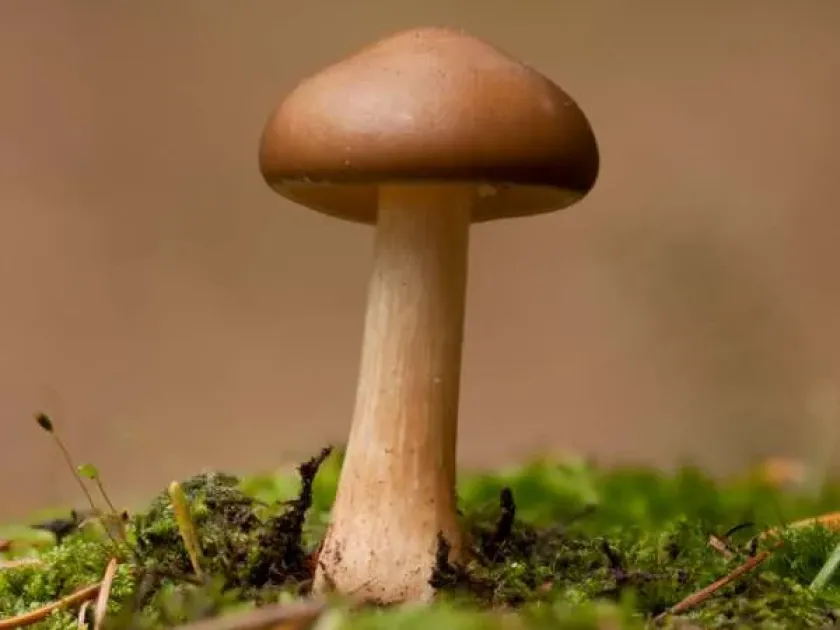
Description
Pathogen
Tricholoma arcuatum is a basidiomycete fungus belonging to the Tricholomataceae family. It is crucial to clarify that this fungus is not a plant pathogen and does not cause infectious diseases in agricultural crops.
In mycological terms, this species functions primarily as a saprotroph, decomposing organic matter such as leaf litter and forest debris.
The morphology includes a cap that is often arched, giving it the specific epithet arcuatum. The gills are white or cream-colored, and the stem is typically robust.
Biologically, it is commonly found in symbiosis or in close association with root systems in woodland areas, where it contributes to nutrient cycling.
As a non-pathogenic species, it does not possess the enzymes or mechanisms required to penetrate or destroy the living tissues of agricultural plants.
Conditions for development
The development of Tricholoma arcuatum requires high moisture levels in the soil and moderate temperatures, typically between 10°C and 15°C.
The fungus thrives in acidic or slightly acidic soils that are rich in humus and organic forest litter.
It prefers areas with consistent shading and high humidity, often appearing near the edges of woodlands or in forest plantations.
Environmental factors such as a high concentration of wood-based mulch stimulate the mycelial spread of this species in surrounding zones.
The active fruiting period occurs from late summer through autumn, corresponding with the peak seasonal rainfall and moderate soil temperatures.
Why it matters
There is no evidence of Tricholoma arcuatum causing any economic loss or damage to agricultural crops, including cereals, vegetables, or fruits.
The species does not act as a parasite, meaning it cannot cause wilting, rot, or yield reduction in cultivated plants.
In most ecosystems, its presence is beneficial, as it facilitates the breakdown of complex organic carbon compounds, thereby enriching the soil structure.
It does not pose a threat to greenhouse production or open-field farming, requiring no monitoring or management by farmers.
Consequently, the fungus is considered a neutral or beneficial component of the local biodiversity, posing zero risk to farm productivity.
Protection
No protective measures or fungicides are necessary to control Tricholoma arcuatum, as it does not affect agricultural operations.
In cases where it appears in decorative gardens or forest-adjacent fields, improving soil aeration and drainage is sufficient to manage its growth.
Removing excessive accumulation of organic debris can help reduce the suitability of an area for fungal colonization.
Standard horticultural practices, such as maintaining healthy soil pH and moisture balance, prevent any unwanted fungal density.
- Improved soil drainage.
- Regular removal of excessive wood mulch.
- Standard crop rotation practices.
Discussion
No discussions yet — be the first.