
Tricholoma acerbum
Tricholoma acerbum
Description
Pathogen
Tricholoma acerbum, commonly known as the bitter knight, is a basidiomycete fungus belonging to the Tricholomataceae family. It is not a plant pathogen; it does not infect agricultural crops or cause diseases in cultivated plants.
The organism primarily functions as a mycorrhizal symbiont, associating with the root systems of trees such as oaks and beeches. This symbiotic relationship enhances the tree's nutrient uptake, particularly phosphorus and water, through a mutually beneficial exchange.
Its vegetative body, the mycelium, spreads through the organic layers of the forest floor, decomposing complex plant debris. This biological activity is essential for carbon cycling and maintaining soil structure in woodland environments.
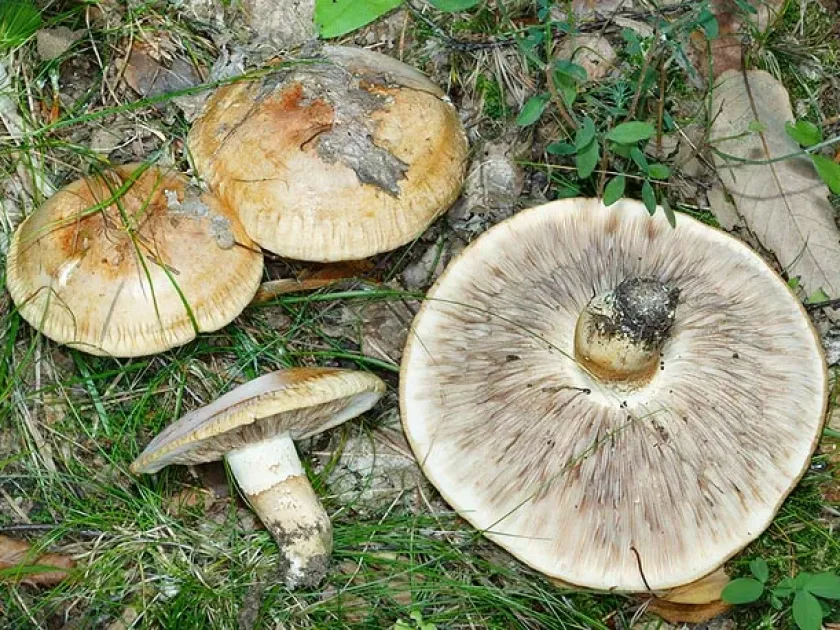
The fruiting body is characterized by a firm, fleshy cap, usually 6–15 cm in diameter. The cap often displays a distinct inrolled margin and a yellowish-brown color, which serves as a key feature for mycological identification.
Reproduction occurs via spores released from the gills located beneath the cap. These spores are dispersed by wind and water, colonizing suitable substrates to form new mycelial networks under favorable ecological conditions.
Conditions for development
Tricholoma acerbum thrives in deciduous forest environments with well-drained, lime-rich soils. The presence of mature trees is essential to maintain the mycorrhizal connection necessary for the fungus's lifecycle.
The species requires moderate temperatures, typically ranging between 10°C and 15°C, to initiate the development of its fruiting bodies. Excessive heat or prolonged frost periods inhibit its growth cycles.
Humidity is a critical limiting factor. Consistent soil moisture, usually supplied by autumn rains, is required for the mycelium to accumulate sufficient energy to produce sporocarps above ground.
Soil aeration is vital for the survival of the fungus. Compaction caused by heavy equipment or agricultural activities reduces oxygen levels in the substrate, which can lead to the decline of the local fungal population.
The stability of the forest canopy plays a significant role in creating a specific microclimate. Protecting these areas from clear-cutting and habitat fragmentation is vital for preserving the biodiversity of forest fungi like Tricholoma acerbum.
Discussion
No discussions yet — be the first.