
Trichoglossum hirsutum
Trichoglossum hirsutum
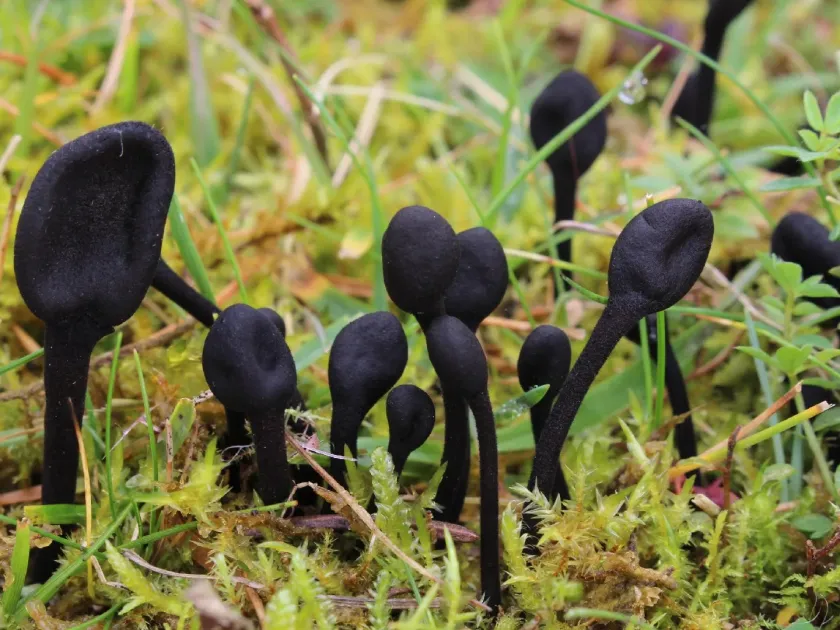
Description
Pathogen
Trichoglossum hirsutum, commonly known as the hairy earthtongue, is a member of the Ascomycota phylum. It is classified as a saprotrophic fungus, meaning it derives nutrients from decaying organic matter rather than living plants.
The fungus is characterized by its distinct club-shaped, black or brownish fruiting bodies. These bodies are covered in fine, hair-like bristles, known as setae, which are a defining feature of the genus under microscopic observation.
The life cycle involves the decomposition of lignin and cellulose in dead plant debris. It acts as a natural recycler, breaking down complex organic compounds in the soil environment.
As a saprotroph, it does not attack living crops or infiltrate plant tissues. It serves as an essential part of the forest and soil ecosystem, contributing to the breakdown of forest floor material.
While it is not a plant pathogen, its presence in managed fields is noteworthy. It signals specific ecological conditions that may favor the growth of other, more harmful fungi.
Conditions for development
The primary environmental driver for Trichoglossum hirsutum is high humidity. It thrives in damp, shaded environments with minimal direct exposure to harsh sunlight.
The fungus prefers soils with high organic matter content, such as leaf mold or decaying wood fragments. These substrates provide the necessary energy source for the mycelial growth.
Temperature plays a crucial role in its development. It typically appears during cool, wet seasons where soil temperatures remain within a stable range, usually between 15 to 20 degrees Celsius.
Poor soil aeration and constant waterlogging are the main triggers for its proliferation. When water cannot drain properly, the surface layer becomes saturated, allowing the fungus to bloom.
In greenhouses or controlled growing environments, poor ventilation combined with excessive irrigation provides the perfect conditions for the colonization of these fungi on soil surfaces.
Why it matters
Trichoglossum hirsutum is considered harmless to crops. It lacks the biological machinery to penetrate the roots or leaves of healthy, thriving agricultural plants.
However, it acts as a bio-indicator. Its presence highlights areas of excessive moisture. These same damp areas are often prime breeding grounds for parasitic fungi like Rhizoctonia or Fusarium.
Indirectly, it may compete with beneficial soil microbes for space or resources in the immediate topsoil layer. This can potentially disrupt the delicate balance of the soil microbiome.
In high densities, the dense mycelium can potentially impede water infiltration and gas exchange in the top layer of the soil. This can cause temporary stress to seedlings.
Overall, the harm is negligible, but its presence should prompt an assessment of the field’s microclimate to prevent the development of actual plant diseases.
Protection
Effective management begins with improving soil drainage. Ensuring that irrigation water does not pool in low-lying areas will naturally inhibit the fungus's growth.
Regular removal of decaying organic litter and debris is highly effective. By eliminating the food source (the dead organic matter), you naturally restrict the population of saprotrophic fungi.
Promoting proper aeration through mechanical cultivation or soil tilling helps dry out the top surface. A well-aerated soil is less likely to support the growth of moisture-loving fungi.
In cases where the fungus appears in greenhouses, increasing airflow and adjusting the irrigation schedule are sufficient measures to eliminate it without chemical intervention.
Preventative cultural practices, such as proper spacing and cleaning of tools, maintain a healthy environment. Chemical fungicides are generally unnecessary and should not be used against saprotrophic species.
Discussion
No discussions yet — be the first.