
Trichoderma virens
Trichoderma virens
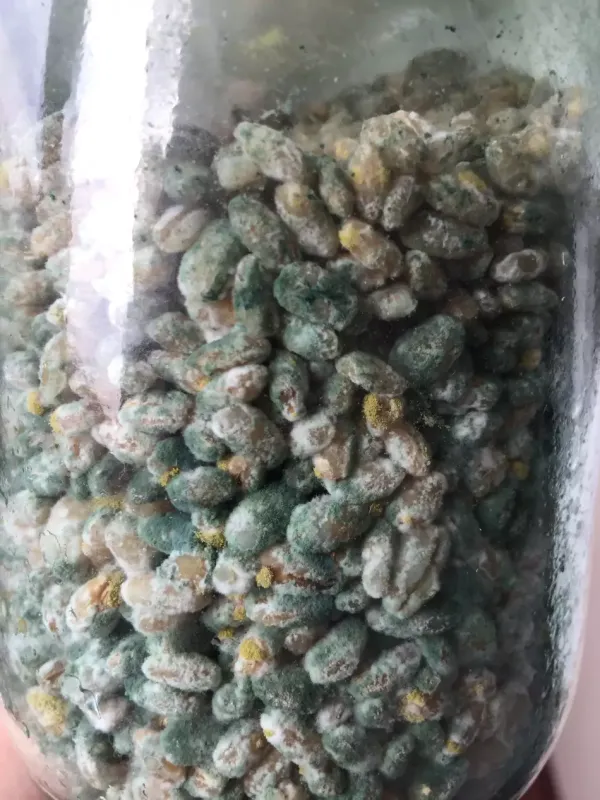
Description
Pathogen
Trichoderma virens is a beneficial soil-borne fungus renowned for its role in biological plant protection. While sometimes confused with pathogenic molds due to its appearance, it is actually a significant ally in modern sustainable farming.
Biologically, it is a facultative mycoparasite. This means it actively seeks out and feeds on harmful pathogens such as Rhizoctonia, Fusarium, and Pythium species that cause severe root diseases.
The fungus produces potent secondary metabolites and cell-wall degrading enzymes. These compounds dismantle the structure of pathogen cell walls, effectively neutralizing them before they can infect plant roots.
In addition to its role as a biocontrol agent, it establishes a symbiotic relationship with plant roots, improving nutrient uptake and promoting stronger plant growth through hormonal stimulation.
Global research confirms its safety for crops, making it a cornerstone of integrated pest management (IPM) strategies worldwide.
Conditions for development
Trichoderma virens thrives in well-aerated soils with moderate moisture levels. It prefers temperatures between +20°C and +28°C to maintain high metabolic activity.
The fungus is highly responsive to the presence of organic matter in the soil, which serves as a primary energy source for its mycelial growth and spore production.
While tolerant of a wide range of soil conditions, it performs optimally in slightly acidic to neutral environments. Extremely waterlogged or compacted soils may limit its efficiency.
Bio-preparations containing this fungus should be stored in cool, dark conditions to ensure the viability of the spores before application to the field.
Environmental stability is key to its success; therefore, incorporating bio-amendments into the soil rather than leaving them on the surface is recommended for better protection against UV light.
Why it matters
Trichoderma virens does not act as a plant pathogen; it does not infect, rot, or wither the tissues of healthy plants. It is strictly categorized as a beneficial microorganism.
No agricultural damage is associated with its presence. Conversely, it provides protection, allowing crops to grow in soil that would otherwise be heavily infested with root-rotting fungi.
Misunderstandings regarding its "harm" typically arise when farmers misidentify the green, powdery spore mats on organic debris as harmful mold, leading to unnecessary and detrimental fungicide applications.
In very specific, controlled laboratory conditions with extreme oversaturation, some reports mention a slight competition for oxygen with seeds, but this is virtually unheard of in field applications.
The net impact of this fungus is strictly positive, contributing to increased yields and enhanced plant vigor across numerous vegetable and cereal crops.
Protection
Control measures against Trichoderma virens are unnecessary as it is an asset to the farm. Efforts should be focused on preserving its population rather than eradicating it.
To support its activity, farmers should minimize the use of broad-spectrum synthetic fungicides, which can inadvertently wipe out these beneficial populations.
Regular applications of organic compost provide the necessary substrate for T. virens to establish itself, providing a long-term buffer against potential pathogen outbreaks.
Bio-fungicide treatments should be integrated into the standard planting cycle, applied either as a seed coating or a soil drench at the time of transplantation.
Maintaining a diverse soil microbiome through crop rotation and reduced tillage ensures that beneficial species like T. virens remain active and effective guardians of the field.
Discussion
No discussions yet — be the first.