
Trichoderma saturnisporum
Trichoderma saturnisporum
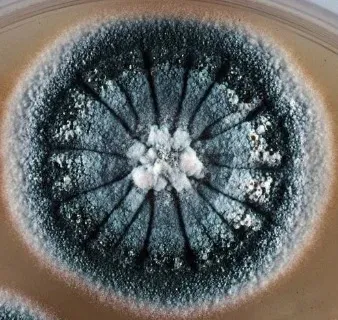
Description
Symptoms
Early symptoms of infection include stunted growth and chlorosis in seedlings. The plants appear visibly weaker than healthy counterparts and often exhibit signs of physiological distress, such as drooping leaves, even when soil moisture is adequate.
Root systems of infected plants typically display severe necrosis, characterized by brown or black discoloration. The lateral roots are often the first to be destroyed, which significantly reduces the plant's ability to take up water and essential nutrients.
In conditions of high humidity, a fluffy white or yellowish mycelial mat may develop on the soil surface near the stem base. This growth is a strong indicator of an active fungal infection thriving in the damp microclimate around the plant.
Advanced stages of the disease lead to the total rotting of the root system. When pulled from the ground, the plants offer little resistance as the anchorage roots are severely decayed, often resulting in a mushy texture at the root-stem junction.
The disease often spreads in patches throughout the field. These affected areas appear as irregular spots where plants have failed to establish or are dying, creating a patchy stand that is highly visible during the growing season.
Pathogen
The causative agent of this disease is the fungus Trichoderma saturnisporum, a member of the Trichoderma genus. While many species in this genus are beneficial biological control agents, this specific species possesses significant phytopathogenic properties that can damage various crops.
The species is named for the distinctive shape of its spores, which resemble the planet Saturn when observed under a microscope. This morphological feature is a key identifier used by mycologists and plant pathologists for taxonomic classification.
The pathogen is highly persistent in soil, often surviving through the production of dormant chlamydospores. These structures allow the fungus to endure unfavorable environmental conditions and remain viable until a suitable host root system is encountered.
The fungus secretes a range of enzymes that degrade plant cell walls, facilitating tissue penetration. This destructive mechanism enables the pathogen to rapidly colonize root tissues, compromising the plant's structural integrity and nutrient absorption capabilities.
This species displays a high level of ecological plasticity, allowing it to compete effectively with native soil microorganisms. Its ability to adapt to varying soil conditions makes it a formidable pathogen in agricultural environments where the microbial balance has been disrupted.
Conditions for development
Excessive soil moisture is the primary driver of infection outbreaks. Waterlogged conditions create an anaerobic environment that favors the rapid vegetative growth and spread of Trichoderma saturnisporum.
The pathogen thrives in moderate temperature ranges, typically between 15 and 22 degrees Celsius. These conditions are common during early spring plantings, making crops particularly susceptible at the most vulnerable stage of their life cycle.
Poor crop rotation practices contribute significantly to the buildup of fungal spores in the soil. Continuously planting the same susceptible hosts allows the population density of the pathogen to increase to levels that are difficult to manage.
Organic residues left in the soil after harvest provide a vital nutrient source for the fungus. Failing to incorporate or remove crop debris allows the pathogen to maintain a high level of activity throughout the off-season.
Soil pH plays an indirect role in infection dynamics. The fungus generally prefers neutral to slightly acidic soils, where its metabolic processes are most efficient, allowing it to outcompete other microbes for space and resources.
Why it matters
The primary economic harm is the loss of seedling stand density, which leads to significant yield reductions. Replanting costs and lost time during the growing season represent a major financial burden for agricultural operations.
Infected mature plants exhibit reduced vigor and lower productivity. Even if the plant survives the infection, fruit quality and size are often compromised, leading to lower market value and potential losses during harvesting and storage.
The broad host range of the pathogen increases the risk for diversified farms. Because it can transition between different crop types and weeds, it is a constant threat that requires diligent monitoring and long-term soil health management.
Once established in the soil, the pathogen can be difficult to eliminate. Remediation may require intensive interventions, such as chemical fumigation or prolonged fallowing, both of which reduce the operational efficiency of the farm.
Furthermore, the damage to roots serves as a gateway for secondary pathogens. Opportunistic bacteria and other fungi can invade the already stressed plant, leading to complex disease profiles that are difficult to diagnose and control.
Protection
Crop rotation is the most effective cultural control strategy. By removing susceptible host plants from a field for several years, the population density of the pathogen can be naturally suppressed due to the lack of necessary nutrition.
Managing soil moisture through improved drainage and precise irrigation is critical. By maintaining soil aeration, farmers can create conditions that are less hospitable to the growth and spread of the fungus.
Seed treatments with broad-spectrum fungicides provide a vital layer of protection. These treatments shield the developing embryo and early roots from the initial assault of soil-borne pathogens during the critical germination phase.
Integrating biological control agents, such as beneficial microbial inoculants, can help suppress the pathogen through competitive exclusion. Establishing a robust community of non-pathogenic microbes can effectively "crowd out" the harmful species.
Regular scouting and early removal of symptomatic plants can prevent the localized infection from becoming a field-wide problem. Swift action upon the detection of symptoms is essential to contain the pathogen and minimize harvest losses.
Discussion
No discussions yet — be the first.