
Trichoderma reesei
Trichoderma reesei
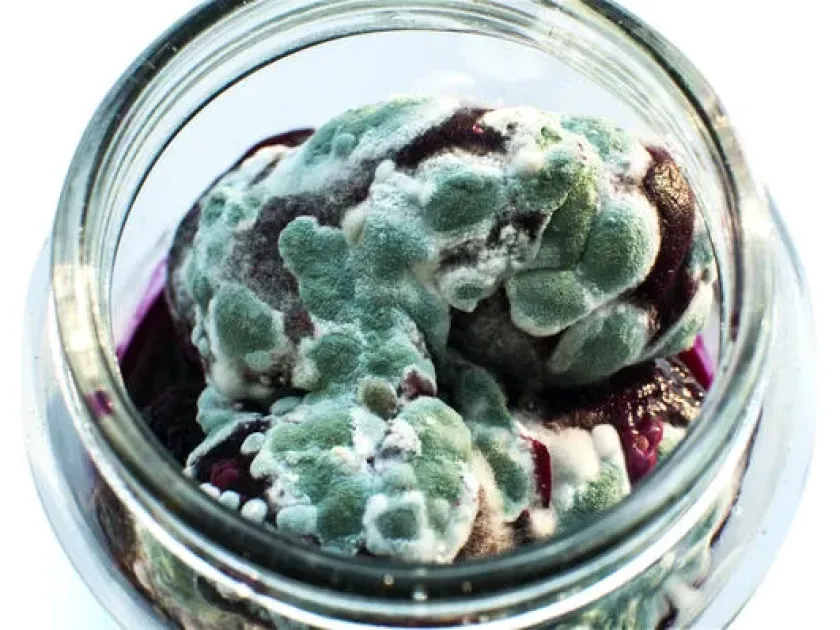
Description
Pathogen
Trichoderma reesei is an anamorphic fungus belonging to the Ascomycota division. In its natural environment, this microorganism acts as a saprotroph, inhabiting soil and plant debris while actively decomposing cellulose.
Biologically, this fungus is not classified as a typical plant pathogen. Its primary role in the ecosystem is that of a decomposer, capable of breaking down complex organic compounds through the secretion of a robust enzyme complex, particularly cellulases.
On an industrial scale, this species is widely utilized for the production of commercially significant enzymes. The uniqueness of T. reesei strains lies in their capacity to hyper-produce cellulolytic enzymes, making them a cornerstone of modern biotechnology.
The fungus is cultivated in controlled conditions for the food and textile industries. Research indicates that its metabolites can suppress the growth of other fungi pathogenic to plants, acting as an effective biocontrol agent.
The genetic makeup of Trichoderma reesei is well-studied, enabling researchers to modify its properties to address specific challenges in the biological protection of agricultural crops against soil-borne diseases.
Conditions for development
The development of the fungus requires an organic substrate rich in cellulose. The optimal temperature range for growth is between +25°C and +30°C, combined with high relative humidity in both the air and soil.
Access to oxygen is essential for the metabolism of this microorganism, as it is an obligate aerobe. In the soil environment, it successfully competes with other microorganisms due to its rapid mycelial growth and secretion of antibiotic compounds.
The pH level of the environment influences the activity of its enzymatic systems. Growth is most favorable under slightly acidic or neutral conditions, which align with standard agricultural requirements for most field crops.
Conidia (spores) are dispersed primarily through the air or via infected plant litter. The rate of substrate colonization depends on the availability of accessible nitrogen and carbon sources within the soil profile.
The application of agrochemicals can inhibit the development of this fungus, therefore, when using bio-products based on it, it is important to consider their compatibility with fungicides and herbicides.
Why it matters
Despite its beneficial properties, the uncontrolled reproduction of saprotrophic fungi in greenhouse conditions or during storage can lead to material degradation. The fungus is capable of breaking down paper packaging, cotton fabrics, and wooden structures.
From an agronomic perspective, Trichoderma reesei rarely causes direct harm to living plants. However, excessive spore accumulation in greenhouses may contribute to substrate acidification and alter the rhizosphere microbiome.
If stored agricultural products become infected by the mycelium, their commercial quality decreases significantly. The enzymatic activity of the fungus destroys the cellulose structure, making long-term storage impossible under high humidity.
Economic damage is usually associated not with plant death, but with the degradation of infrastructure, such as support systems, drip irrigation components, and packaging materials containing plant-based fibers.
While the question of its pathogenicity for living tissues remains a topic of scientific debate, the species may exhibit opportunistic behavior in weakened plants, colonizing necrotic tissue segments.
Protection
To prevent excessive fungal development, maintaining hygiene in greenhouses is essential. Regular sanitary cleaning of surfaces and monitoring humidity levels are the primary preventative measures.
The use of broad-spectrum fungicides is effective in suppressing mycelial growth in the event of excessive accumulation. It is important to strictly follow the pesticide application regulations.
Improving ventilation in facilities reduces the risk of creating favorable conditions for sporulation. Ensuring proper airflow prevents stagnant moisture, which is critical for the survival of micromycetes.
When working with organic substrates in plant cultivation, thermal sterilization or pasteurization is recommended to prevent uncontrolled colonization by pathogens and saprotrophs.
Monitoring the composition of the rhizosphere microflora allows for the timely identification of dominant fungal species, enabling adjustments to be made to agricultural practices to maintain biological balance.
Discussion
No discussions yet — be the first.